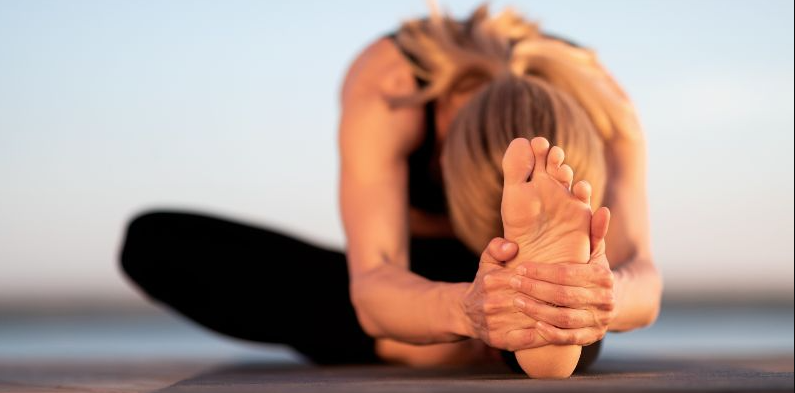
Can Yoga Help Morton's Neuroma? Poses for Relief
If you’ve ever felt a sharp, burning pain in the ball of your foot — like you’re stepping on a pebble — you might be dealing with Morton’s Neuroma. It’s a surprisingly common foot condition, yet many people struggle to find lasting relief.
You may have tried different treatments like shoe inserts, painkillers, or even considered surgery. But what if something as gentle as yoga could help ease the discomfort? In this article, we’ll explore how yoga could support foot health and provide relief for Morton’s Neuroma. Whether you’re a yoga beginner or someone already familiar with the mat, you’ll discover how simple stretches and mindful movement might make a difference for your feet.
Morton’s Neuroma is a painful condition that affects the ball of your foot, often between the third and fourth toes. It happens when a nerve in your foot becomes irritated or thickened due to pressure, stress, or repetitive strain. This leads to a sharp, burning pain, numbness, or a strange feeling like there’s something stuck under your foot.
What Causes It?
sCommon triggers include:
- Wearing tight or narrow shoes (especially high heels)
- High-impact activities like running or jumping
- Foot deformities (flat feet, bunions, etc.)
- Poor foot posture or imbalance when walking
Symptoms to Watch For
You might notice:
- Tingling or numbness in your toes
- A feeling like you’re standing on a pebble
- Sharp or burning pain in the ball of your foot
Early treatment is key, but many people don’t realize that gentle exercises — like yoga — could become part of their recovery plan.
Overview of Yoga for Foot Health
Why Yoga Matters for Your Feet
When you think of yoga, you might picture fancy poses or deep meditation. But at its core, yoga is about body awareness, balance, and gentle movement — all of which directly benefit your feet.
For people with foot issues like Morton’s Neuroma, yoga offers a unique combination of stretching, strengthening, and circulation-boosting exercises, all while encouraging you to tune into how your body feels.
How Yoga Supports Healthy Feet
- Improves flexibility in toes, arches, and ankles
- Strengthens foot muscles, improving posture and balance
- Enhances blood flow, which supports healing
- Encourages mindful movement, helping you walk with better alignment
Whether you’re looking to prevent future flare-ups or manage existing pain, yoga could become a gentle but powerful tool in your foot care routine.
Can Yoga Really Help with Morton’s Neuroma?
Yoga as Part of a Holistic Approach
Let’s be clear: yoga isn’t a miracle cure for Morton’s Neuroma. But research and personal experiences show that regular practice could reduce pain, improve flexibility, and even help correct movement patterns that contribute to nerve irritation in the first place.
What Yoga Can Do
- Relieve tension in the feet and toes
- Strengthen the foot’s natural arch, offering better support
- Improve overall posture, reducing uneven weight distribution
- Promote relaxation, lowering inflammation linked to chronic pain
What Yoga Can’t Do
- Remove the neuroma itself — if the nerve has already thickened severely, medical treatmentsn like injections or surgery may still be needed.
- Provide overnight results — healing takes time, and consistency is key.
Many People Find Relief
Some yoga practitioners with Morton’s Neuroma report less daily pain and better mobility after adding foot-friendly yoga to their routine. While everyone’s experience is different, gentle stretching, mindful balance poses, and breathwork can often reduce pressure on the nerves and restore natural foot flexibility.
If you’re curious, why not give it a try? Start small, stay consistent, and listen to your body — your feet may thank you for it.
Why Yoga May Be Beneficial for Morton’s Neuroma
How Can Yoga Help Foot Pain?
When your feet hurt, the last thing you may want to do is exercise. But gentle movement, like yoga, can actually help relieve tension, improve flexibility, and restore healthy foot alignment — all crucial when dealing with Morton’s Neuroma.
Rather than just treating the symptoms, yoga focuses on improving how your whole body moves, which can reduce the uneven pressure that irritates your foot nerve.
Benefits of Yoga for Morton’s Neuroma
1. Improved Flexibility
Stiff toes, tight calves, and restricted arches all contribute to foot pain. Yoga stretches help loosen up these tight areas, restoring natural movement.
2. Better Circulation
Yoga encourages better blood flow to your feet, which can support healing by reducing inflammation around the affected nerve.
3. Stronger Foot Muscles
Many yoga poses engage your foot arches and toes, strengthening the small muscles that support healthy foot posture.
4. Enhanced Posture and Alignment
Tight hips or weak ankles can change how you walk — putting more pressure on the ball of your foot. Yoga teaches you to align your whole body better, which reduces uneven stress on your feet.
5. Relaxation and Pain Relief
Stress increases muscle tension and inflammation, both of which can make Morton’s Neuroma worse. The breathing techniques and mindfulness used in yoga can calm your nervous system and make pain more manageable.
A Gentle Approach Works Best
It’s important to note — not every yoga pose is foot-friendly if you have Morton’s Neuroma. The key is choosing gentle, supportive poses that stretch and strengthen without adding more pressure.
Key Principles for Practicing Yoga with Morton’s Neuroma
1. Prioritize Gentle Movements
Aggressive stretching or deep toe flexion could worsen nerve irritation. Instead, focus on slow, controlled movements that create space in your toes and arch.
2. Focus on Foot Awareness
Many people are disconnected from how they stand or walk — until pain forces them to notice. Yoga helps you tune into your foot alignment, teaching you to spread your weight evenly and engage your arches.
3. Use Props for Support
Props like yoga blocks, straps, or even a rolled towel can take pressure off your foot while helping you get the benefits of a stretch. This allows you to modify poses without aggravating your neuroma.
4. Consistency Beats Intensity
Instead of pushing through long, intense sessions, aim for short, regular practices. Even 10-15 minutes a day can build flexibility and strength over time.
5. Listen to Your Body
Sharp pain during any pose is a red flag. Yoga should never cause more discomfort in your foot. Stay within your pain-free range of motion and adjust if something feels off.
Yoga Poses for Morton’s Neuroma Relief
Toe and Foot Stretching Poses
1. Toe Stretch Pose
Gently stretches the toe joints and improves mobility in the forefoot. Sit back on your heels with toes tucked under, applying light pressure.
2. Reclining Toe Stretch
Lying down, loop a strap around your big toe and gently pull it toward you to stretch the arch and calf.
3. Seated Toe Stretch
Sit with legs extended, and manually stretch your toes back and forth to release tension.
Arch-Strengthening Poses
4. Tadasana (Mountain Pose) with Active Feet
Stand tall, pressing evenly into all parts of your feet — toes, ball, heel — to engage the arches.
5. Virabhadrasana I (Warrior I) with Foot Focus
In Warrior I, consciously lift the inner arch of your back foot while grounding through the outer edge.
6. Utkatasana (Chair Pose)
This pose builds foot strength by activating the arches while keeping the toes relaxed.
Calf and Ankle Stretching Poses
7. Downward-Facing Dog
A full-body stretch that opens the calves, ankles, and feet while improving circulation.
8. Anjaneyasana (Low Lunge)
Adds a deep calf stretch, which reduces tension in the plantar fascia.
9. Malasana (Garland Pose)
A gentle squat that stretches the ankles, feet, and hips, improving overall alignment.
Balance Poses to Improve Foot Control
10. Vrksasana (Tree Pose)
Balances on one foot, strengthening foot muscles while improving awareness of weight distribution.
11. Utthita Hasta Padangusthasana (Extended Hand-to-Big-Toe Pose)
Engages the standing leg and foot, encouraging strong, even weight-bearing.
Restorative and Self-Care Poses
12. Viparita Karani (Legs-Up-the-Wall)
Promotes circulation and relaxation, which may ease inflammation.
13. Supta Baddha Konasana (Reclining Bound Angle Pose)
Gently opens the hips, indirectly improving foot posture by balancing lower body alignment.
Breathwork and Relaxation Techniques to Ease Foot Pain
When foot pain from Morton’s Neuroma flares up, it’s natural to focus on the physical discomfort. But what many people don’t realize is that stress and tension can actually make pain feel worse. That’s where breathwork and relaxation techniques come in — they help calm your nervous system and create a sense of ease from head to toe.
How Breathwork Supports Pain Relief
Deep, intentional breathing activates the parasympathetic nervous system, also known as your “rest and digest” mode. This relaxes tight muscles, improves circulation, and reduces the perception of pain. Research published in the Journal of Pain even shows that controlled breathing can lower pain sensitivity in people with chronic conditions.
Simple Breathing Techniques to Try
- Diaphragmatic Breathing: Place one hand on your belly, one on your chest. Breathe deeply, feeling your belly expand and contract with each breath. This type of breath signals safety to your nervous system.
- Box Breathing: Inhale for 4 counts, hold for 4 counts, exhale for 4 counts, hold again for 4 counts. This method steadies your mind and calms your body.
- Exhalation-Focused Breathing: Make your exhales longer than your inhales to release built-up tension in your body, including your feet.
Relaxation Techniques for Your Feet
Combining breathwork with mindful body awareness helps you mentally connect with your feet, softening unnecessary tension.
- Body Scan Meditation: Sit or lie comfortably, breathing slowly. Start at your head and gradually bring awareness to each part of your body, ending at your feet. Imagine your foot muscles softening with each exhale.
- Guided Yoga Nidra: This deep relaxation practice invites you into a semi-sleep state where you can release pain-related tension. Many people find it especially soothing when pain is keeping them awake.
Modifications and Props for Foot-Friendly Yoga
If you’re using yoga for Morton’s Neuroma, modifications aren’t just helpful — they’re essential. Direct pressure on the ball of your foot can irritate the nerve further, so smart adjustments allow you to get the benefits without the flare-ups.
Why Props Matter
Yoga props reduce strain, improve alignment, and help you work within your pain-free range. Whether you’re a beginner or experienced, props can turn risky poses into safe, healing movements.
Best Props for Morton’s Neuroma
- Yoga Blocks: Ideal for bringing the floor closer to you in poses like Downward Dog or Malasana. This helps you avoid compressing the forefoot.
- Cushioned Mat or Towel: Provides gentle padding if you need to kneel or put pressure on your feet.
- Straps: Useful for stretches where flexibility is limited — so you can target calves and hamstrings without pulling on the toes.
- Rolled Blanket or Yoga Wedge: Placed under the toes or arch to support natural foot curves and prevent flattening.
Modifications to Make Poses Foot-Friendly
- In Warrior Poses, widen your stance slightly and focus on grounding through your heel and outer foot edge — not the ball of your foot.
- In Child’s Pose, tuck a rolled blanket under your ankles to relieve pressure from the top of your foot.
- For any pose that requires standing on the ball of your foot, modify by keeping the whole foot grounded instead.
The goal is to build strength and flexibility gently, without triggering pain.
Poses and Practices to Avoid with Morton’s Neuroma
Not all yoga poses are safe for irritated foot nerves. Some movements — especially those that compress the forefoot or force deep toe flexion — could make symptoms worse instead of better.
High-Impact or Overly Intense Poses
Avoid:
- Jump-throughs or Jump-backs: Common in vinyasa flow, these sudden impacts can jar the sensitive nerve.
- Full Plank on Toes: If your weight presses into the ball of your foot, the nerve may get compressed. Modify by dropping to your knees.
Extreme Toe Flexion
Avoid:
- Deep Toe Squats (like Toe Stand in Bikram Yoga): These force intense pressure into the metatarsals, where Morton’s Neuroma lives.
- Hero Pose (Virasana) if sitting directly on your heels strains the forefoot.
Balance Poses on One Foot (With Caution)
Balancing entirely on one foot can increase pressure on the plantar nerves — especially if your foot muscles aren’t strong enough to stabilize without collapsing into the ball of the foot.
Modify:
- Use a wall or chair for support so you can reduce full pressure on the standing foot.
- Choose gentler balance poses with the lifted foot on the calf or thigh (like Tree Pose), rather than wrapping toes around the standing leg (like Eagle Pose).
Additional Lifestyle and Complementary Tips
Yoga is powerful, but your daily habits also play a huge role in managing Morton’s Neuroma. Small changes to how you walk, stand, and care for your feet can make yoga even more effective.
Supportive Shoes
Shoes that cradle your arch, cushion the ball of your foot, and allow toe spread reduce nerve irritation. Podiatrists often recommend wide-toe box shoes with minimal heel lift.
Daily Foot Massage
Self-massage can release muscle knots and improve circulation. Use your fingers or a soft massage ball to gently roll under the arch and ball of your foot. Combine this with breathwork for full-body relaxation.
Combine Yoga with Physical Therapy
Working with a physical therapist who specializes in foot conditions helps you target weak areas and retrain your walking mechanics. Many therapists now incorporate yoga-inspired movements into rehab plans.
Anti-Inflammatory Diet
Chronic inflammation makes nerve pain worse. Adding anti-inflammatory foods like leafy greens, fatty fish, turmeric, and berries can support your healing from the inside out.
Conclusion
If you’re living with Morton’s Neuroma, you already know how much this small nerve issue can disrupt your daily life. Every step can feel like a painful reminder that something isn’t right — and the fear of making it worse can leave you afraid to move at all.
The good news? Yoga offers a gentle, adaptable way to ease foot pain, improve flexibility, and restore confidence in movement. From simple stretches for your toes to relaxing breathwork to calm your nervous system, yoga helps you care for your feet holistically — not just treating symptoms, but supporting your whole body’s alignment and balance.
The key is to choose poses and practices designed with foot-friendly care in mind, and listen to your body’s signals. Whether you work with a yoga therapist or follow a tailored home practice, the goal isn’t perfection — it’s progress toward more comfortable movement.
Many people have discovered lasting relief by adding gentle yoga to their foot care routine. You could too — why not explore it for yourself?
FAQs
Can yoga cure Morton’s Neuroma?
Yoga isn’t a cure, but it can help manage symptoms by improving foot mobility, reducing tension, and enhancing circulation. Think of it as part of your self-care toolkit, alongside proper footwear, physical therapy, and medical advice.
How often should I practice yoga for Morton’s Neuroma?
Start with 3 to 4 short sessions per week, focusing on gentle stretching, breathwork, and posture awareness. Over time, you can gradually increase frequency as your feet get stronger.
Is yoga safe if my pain is severe?
If your pain is intense or worsening, it’s best to pause and consult your doctor before starting yoga. Yoga should never cause sharp pain — if it does, you may need to adjust the pose or avoid certain movements entirely.
Is yoga safe if my pain is severe?
Yes, especially if you have a confirmed diagnosis or other foot conditions like bunions or plantar fasciitis. Your doctor or podiatrist can offer guidance on safe movement, and a qualified yoga teacher can tailor poses to your needs.
What if certain poses make my pain worse?
That’s a clear signs to modify or skip the pose. Yoga is all about listening to your body — pain is your body’s way of saying, “This isn’t working right now.” Gentle adjustments (like using props or changing foot positioning) often make a big difference.
Recent Posts

Can Yoga Help Morton’s Neuroma? Poses for Relief
Can Yoga Help Morton’s Neuroma? Poses for Relief If you’ve ever felt a sharp, burning pain in the ball of