

How Long Does Morton's Neuroma Surgery Take? Timeline
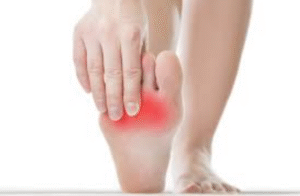
If you’ve been struggling with persistent foot pain caused by Morton’s neuroma, surgery might feel like your last resort. But before making that decision, you probably have a lot of questions — especially about how long Morton’s neuroma surgery takes and what the full timeline looks like from start to finish.
This guide breaks down everything you need to know, from the first appointment to full recovery. Whether you’re worried about the procedure itself, the time off work, or how quickly you’ll be back on your feet, you’ll find clear answers here.
Understanding Morton’s Neuroma Surgery
What is Morton’s Neuroma Surgery?
Morton’s neuroma surgery is a procedure performed to relieve pain caused by a thickened nerve between the toes — typically between the third and fourth toes. When conservative treatments like orthotics, injections, or physical therapy fail, surgery becomes an option to remove or decompress the affected nerve.
The goal is simple: to stop the nerve compression and eliminate the burning, tingling, and stabbing pain that makes every step a struggle.
Types of Surgical Procedures
1. Neurectomy (Nerve Removal)
This is the most common surgery for Morton’s neuroma. During a neurectomy, the surgeon removes the thickened nerve entirely. It’s effective, but removing the nerve may leave a patch of numbness in the toes — a trade-off many people are willing to accept for lasting pain relief.
2. Decompression Surgery
This less invasive option involves cutting nearby ligaments to relieve pressure on the nerve. Instead of removing the nerve, the goal is to create more space so the nerve can heal naturally. This is often preferred when the neuroma is smaller or caught early.
Factors Influencing Surgery Type and Duration
The exact length of Morton’s neuroma surgery depends on several factors, including:
- Procedure type: Neurectomy is slightly longer than decompression.
- Surgeon’s approach: Traditional open surgery may take longer than minimally invasive techniques.
- Your foot’s anatomy: Some neuromas are easier to access than others.
- Any unexpected findings during surgery: If scar tissue, inflammation, or other foot issues are discovered, surgery might take longer.
On average, surgery itself takes 30 to 60 minutes, but that’s just part of the full timeline — which we’ll cover next.
Pre-Surgery Timeline and Preparation
Initial Diagnosis and Evaluation
The road to surgery begins long before the operating room. It starts with a proper diagnosis. Most patients seek care after experiencing months — or even years — of persistent foot pain, especially when walking or wearing tight shoes.
What to Expect at Your First Appointment
- Detailed review of your symptoms and medical history.
- Physical examination, including squeezing the foot to trigger symptoms.
- Imaging tests like ultrasound or MRI may be ordered to confirm the diagnosis and rule out other conditions.
This initial phase could take anywhere from a few weeks to a few months, depending on how quickly appointments, imaging, and follow-ups are scheduled.
Conservative Treatments Tried Before Surgery
Most doctors won’t jump straight to surgery unless the neuroma is severe or disabling. In fact, conservative treatment is almost always the first step — and it plays a big role in the overall timeline.
Common Non-Surgical Treatments
- Custom orthotics to offload pressure from the nerve.
- Corticosteroid injections to reduce inflammation.
- Physical therapy to improve foot mechanics.
How Long Does Conservative Treatment Last?
This varies widely. Some patients try non-surgical options for 6 to 12 months before considering surgery. Others may go through quicker trial periods if symptoms are severe and rapidly worsening.
Decision-Making Process for Surgery
Once conservative treatments are exhausted, it’s time to have an honest conversation with your podiatrist or foot surgeon. This consultation is where you’ll get answers to key questions:
- What type of surgery is best for my neuroma?
- What’s the realistic recovery timeline for someone my age and activity level?
- What are the risks, and how likely are complications?
Insurance Approvals and Scheduling
If surgery is recommended, your doctor’s office will help submit insurance authorizations (if needed). This approval process can take anywhere from a few days to a few weeks, depending on your insurance provider. Once approved, you’ll work with the surgical team to find an available surgery date.
Summary of Pre-Surgery Timeline (Estimated)
Stage | Timeframe |
Diagnosis & Imaging | 2-4 weeks |
Conservative Treatments | 3-12 months (varies) |
Consultation & Decision | 1-2 weeks |
Insurance & Scheduling | 1-4 weeks |
The total timeline leading up to surgery can range from a few months to over a year, especially if conservative care is attempted for an extended period. Knowing this helps set realistic expectations — surgery isn’t a quick fix, but for many people, it’s a lasting solution.
Surgery Day Timeline
The day of your Morton’s neuroma surgery can feel overwhelming, especially if you’re unsure what to expect. Knowing the timeline in advance helps you feel prepared and reduces last-minute stress.
Arrival at the Surgical Facility
You’ll usually arrive 1 to 2 hours before the actual procedure. This gives the team time to check you in, review your medical history, and answer any last-minute questions.
During this time, you’ll change into a gown and have your foot cleaned and prepped for surgery. Depending on the facility, you may have a chance to speak with your surgeon one more time to review the plan.
Pre-Operative Preparations
Next comes the anesthesia process. Most Morton’s neuroma surgeries use either:
- Local anesthesia: Numbs just your foot, and you stay awake.
- Regional block: Numbs the lower leg, with sedation to help you relax.
- General anesthesia: Less common, but used if you prefer to be fully asleep.
Your anesthesiologist will guide you based on your health, anxiety level, and procedure type.
Actual Surgical Procedure Duration
The surgery itself is usually brief, typically lasting between 30 to 60 minutes. However, this can vary depending on:
- Whether you’re having neurectomy (nerve removal) or decompression surgery.
- The size and location of your neuroma.
- Whether there’s scar tissue or anatomical challenges from past injuries.
Neurectomy Duration
This tends to take around 45-60 minutes since the nerve is completely removed.
Decompression Surgery Duration
This may take as little as 30 minutes since only the nearby tissue is adjusted to relieve pressure.
Factors That Can Extend Surgery Time
In some cases, the procedure may take slightly longer if:
- There’s unexpected swelling, scar tissue, or abnormalities.
- The neuroma is particularly large or in a tricky location.
- Your surgeon needs to modify the original plan based on what they find during surgery.
The good news? Even if surgery takes longer, this rarely affects your recovery timeline.
Immediate Post-Surgery Recovery (Same-Day)
Once surgery is done, you’ll move to a recovery room where nurses monitor your vital signs and make sure you’re waking up comfortably.
Time in the Recovery Room
Most people spend about 1-2 hours in recovery before going home. This gives your body time to clear the anesthesia and for your medical team to check that your pain is controlled.
Monitoring and Immediate Care
During this time, your foot will be elevated and bandaged to control swelling. You may notice some numbness in the foot, especially if a nerve block was used. This is normal and often preferable in the early hours after surgery.
The staff will also check for proper blood flow to your toes and ensure you can tolerate drinking fluids or eating a light snack before discharge.
Pain Management and First Instructions
Before you leave, your nurse or surgeon will go over:
- Your prescribed pain medications.
- How to manage swelling with RICE (Rest, Ice, Compression, Elevation).
- When and how to change your dressing (or whether to leave it untouched until your first follow-up).
Discharge Process
Most Morton’s neuroma surgeries are outpatient procedures, meaning you’ll go home the same day. In rare cases — if there are complications or you need extra monitoring — you may stay overnight.
You’ll need someone to drive you home and stay with you for at least the first night, especially if you had sedation or general anesthesia.
Short-Term Recovery Timeline (First Few Days)
The first 3 to 5 days after surgery are all about rest, protection, and pain control. This is when swelling and discomfort tend to peak, so your focus should be on keeping your foot elevated and following your aftercare plan.
Managing Pain and Swelling
Most people experience moderate pain the first few days, but prescription medications or over-the-counter pain relievers can help. Staying ahead of the pain by taking meds on schedule — rather than waiting for severe pain — makes a big difference.
You’ll also be told to:
- Keep your foot elevated as much as possible.
- Apply ice packs several times a day.
- Avoid putting weight on your foot until your surgeon clears you.
Post-Op Dressing and Wound Care
Your foot will be heavily bandaged after surgery. Some surgeons recommend leaving the dressing untouched until your first follow-up. Others may teach you how to do gentle dressing changes at home.
First Dressing Change
If you need to change the dressing, this typically happens 24 to 48 hours after surgery — and only if instructed.
Stitches Removal (if applicable)
If you had stitches, they’re usually removed around 10-14 days after surgery. Some surgeons use dissolvable stitches, which disappear on their own.
Mid-Term Recovery Timeline (First Few Weeks)
After the first week, your activity level slowly increases, but you’ll still need to protect your foot and follow precautions to avoid setbacks.
Weight-Bearing and Walking
Your ability to walk depends on the type of surgery and your personal healing speed.
When Can You Walk After Surgery?
- Many patients can partially bear weight after about a week, with protective footwear.
- Full weight-bearing without pain typically takes around 2 to 4 weeks.
- If you had a more complex surgery or pre-existing foot problems, this could take longer.
Use of Crutches, Walker, or Special Shoes
To protect your foot during these first weeks, your surgeon may recommend:
- Crutches or a walker to reduce pressure.
- A surgical shoe or boot that offloads weight from the surgical area.
- Gradual transition to regular shoes (wide, soft shoes are best at first).
Returning to Work and Daily Activities
Office Jobs
If you work a desk job, you might return to work in 1 to 2 weeks, provided you can elevate your foot and avoid excessive walking.
Physically Demanding Jobs
If your job requires standing, walking, or heavy lifting, you may need closer to 4-6 weeks off. Discuss this with your surgeon to get a personalized estimate.
Driving After Surgery
This depends on which foot was operated on and the type of anesthesia you received.
- For surgery on your left foot (and automatic transmission), you could drive within a week if you’re off pain meds.
- For surgery on your right foot, or manual cars, driving might need to wait 2 to 3 weeks or until you can safely brake without pain.
Long-Term Recovery Timeline (Months After Surgery)
Recovery from Morton’s neuroma surgery doesn’t stop after the first few weeks. While the initial pain subsides relatively quickly, full healing takes several months. Understanding the long-term recovery timeline helps you set realistic expectations and avoid setbacks.
Full Healing and Scar Maturation
Your surgical incision may look healed after a few weeks, but internal healing continues for months. Scar tissue forms around the surgical site, and the nerves in your foot gradually adjust.
- By 3 months, most swelling has subsided, and you should feel significantly better.
- By 6 months, the surgical area will be firmer, and any residual tenderness should improve.
- By 12 months, your foot should feel fully healed, with only minor stiffness or sensitivity in some cases.
When Will Nerve Sensations Normalize?
If you had a neurectomy (nerve removal), you may experience numbness or tingling in the area where the nerve was cut. This is normal and often permanent, but most people adapt over time.
Returning to Sports and High-Impact Activities
One of the biggest concerns after Morton’s neuroma surgery is when you can resume exercise, running, or high-impact activities. The answer varies based on how well your foot heals.
- Low-impact activities (e.g., swimming, cycling) – Safe to start around 6-8 weeks, depending on comfort.
- Walking long distances – Usually possible by 2-3 months, as long as there’s no pain.
- Running or jumping sports – Often requires 4-6 months for full strength and stability.
- High-impact sports (e.g., basketball, tennis, dance) – Best to wait 6-12 months to avoid reinjury.
If you’re an athlete, working with a physical therapist can help you return to activity safely.
Physical Therapy and Rehabilitation
Not everyone needs formal physical therapy, but for some, it helps restore strength, flexibility, and balance in the foot.
When Should You Consider Physical Therapy?
- If you still experience stiffness or discomfort after 2-3 months.
- If you have weakness or instability when walking or exercising.
- If you want to return to sports faster and safely.
A therapist can guide you through gentle foot exercises to improve mobility and prevent compensatory issues (such as limping or uneven gait).
Factors That Can Influence Recovery Timeline
Even though there’s a general recovery timeline, your healing speed depends on several personal factors.
Age and Overall Health
Younger individuals and those in good overall health tend to recover faster. Chronic conditions like diabetes, circulation issues, or autoimmune diseases may slow healing.
Severity of the Neuroma
If your Morton’s neuroma was large or long-standing, your foot may need extra time to adapt. In some cases, prolonged nerve compression can lead to post-surgical nerve sensitivity that takes longer to settle.
Surgical Technique Used
The type of surgery impacts recovery:
- Neurectomy (nerve removal) – Often requires a longer recovery due to nerve adjustments.
- Decompression surgery – Usually involves a quicker return to normal activities, as no nerve is removed.
Discussing the technique with your surgeon beforehand helps set realistic expectations.
Post-Surgery Complications
While most people recover without issues, complications can slow progress. These include:
- Infection – Causes prolonged swelling, redness, or drainage from the incision.
- Scar tissue buildup – Can lead to stiffness or discomfort months after surgery.
- Residual nerve pain – Some patients experience ongoing sensitivity or tingling.
If pain worsens instead of improving over time, consult your doctor to rule out complications.
Adherence to Post-Surgery Instructions
One of the biggest recovery factors is how well you follow post-op care. Patients who stick to:
- Proper footwear recommendations
- Weight-bearing restrictions
- Swelling control techniques
tend to heal faster and experience fewer setbacks.
Timeline Summary (Quick Reference Table)
Here’s a simplified recovery timeline to help you track progress:
Recovery Phase | What to Expect | Estimated Timeframe |
Immediate Recovery | Swelling, pain control, rest | 1-7 days |
Short-Term Recovery | Walking short distances, managing swelling | 1-4 weeks |
Mid-Term Recovery | Transitioning to normal shoes, returning to work | 4-8 weeks |
Long-Term Recovery | Full healing, returning to sports | 3-12 months |
Conclusion
Recovering from Morton’s neuroma surgery is a journey that requires patience, proper care, and realistic expectations. While the procedure itself is relatively quick, full recovery can take several months.
By following your surgeon’s post-op guidelines—managing swelling, gradually increasing activity, and choosing proper footwear—you can ensure a smoother healing process. Most patients experience significant pain relief and return to normal activities without issues.
If you’re considering surgery, weigh the benefits, risks, and recovery timeline carefully. And if you’ve already had the procedure, trust the process, give your foot time to heal, and don’t hesitate to reach out to your doctor if you have concerns.
For more clarity, here are some frequently asked questions about Morton’s neuroma surgery:
FAQs
Can Morton’s neuroma come back after surgery?
While surgery is effective, in some cases, scar tissue or nerve regrowth can lead to recurrent pain. This is more common after a neurectomy, where the nerve is removed. Proper post-op care and avoiding excessive pressure on the foot can help prevent recurrence.
Is Morton’s neuroma surgery considered minor or major?
Morton’s neuroma surgery is typically an outpatient procedure, meaning you can go home the same day. While it’s not considered major surgery, it does require careful recovery to ensure proper healing.
How long until I can wear normal shoes again?
You’ll likely need a surgical shoe or special footwear for the first few weeks. Most patients transition to comfortable, supportive shoes by 4-6 weeks and normal footwear by 8-12 weeks, depending on swelling and healing progress.
Does surgery duration differ for different toe spaces (2nd vs 3rd)?
The time it takes for surgery doesn’t vary much based on which toe space is affected. However, neuromas in the third toe space (between the third and fourth toes) are more common and may have slightly different post-op sensations due to nerve anatomy.
Recent Posts

How Long Does Morton’s Neuroma Surgery Take? Timeline
How Long Does Morton’s Neuroma Surgery Take? Timeline If you’ve been struggling with persistent foot pain caused by Morton’s neuroma,