Best Injections for Morton's Neuroma
Morton’s neuroma can feel like a sharp, burning pain in the ball of your foot, making every step uncomfortable. It’s caused by the thickening of nerve tissue, often due to repetitive pressure or irritation. If you’re struggling with this condition, you’re likely searching for relief that goes beyond simple padding or orthotics.
Injections have become a popular treatment option, offering targeted pain relief without the need for surgery. But with multiple choices available, from cortisone to alternative therapies, how do you know which one is right for you? This guide will break down the most effective injections, starting with the widely used corticosteroid injection, and explore other promising options that may help you walk pain-free again.
Types of Injections for Morton’s Neuroma
When conservative treatments like footwear modifications and physical therapy don’t provide enough relief, injections become a viable next step. Different types of injections target Morton’s neuroma in unique ways:
1. Corticosteroid (Cortisone) Injections
Cortisone injections reduce inflammation around the affected nerve, providing pain relief for weeks or even months.
2. Alcohol Sclerosing Injections
These injections contain dehydrated alcohol, which works by gradually destroying the thickened nerve tissue, leading to long-term pain relief.
3. Platelet-Rich Plasma (PRP) Injections
PRP uses your own blood’s healing properties to regenerate damaged tissue and reduce inflammation naturally.
4. Stem Cell Therapy Injections
Stem cells are injected to promote healing and regeneration of the nerve, potentially offering a long-lasting solution.
5. Hyaluronic Acid Injections
Hyaluronic acid acts as a cushion between the bones, reducing pressure on the nerve.
6. Botox (Botulinum Toxin) Injections
Botox injections temporarily paralyze the muscles surrounding the neuroma, decreasing nerve irritation and pain.
Each of these treatments has its own benefits, risks, and success rates. Choosing the right one depends on the severity of your symptoms, your medical history, and your long-term treatment goals.
Corticosteroid (Cortisone) Injections
Corticosteroid injections, often referred to as cortisone shots, are one of the most common treatments for Morton’s neuroma. They work by reducing inflammation and swelling around the nerve, helping to relieve pain and discomfort.
How Cortisone Injections Work
Cortisone is a powerful anti-inflammatory medication. When injected directly into the painful area, it decreases nerve irritation and pressure. Most patients experience relief within a few days, though results vary based on the severity of the neuroma.
Benefits of Cortisone Injections
- Provides quick pain relief, often within 48 hours
- Reduces swelling and pressure on the nerve
- Non-surgical and minimally invasive
- Can be combined with other treatments like orthotics for better results
Potential Risks and Side Effects
While cortisone injections are generally safe, they do come with some risks, including:
- Temporary pain or swelling at the injection site
- Fat pad atrophy (thinning of the foot’s cushioning tissue)
- Weakened ligaments if used frequently
- Temporary increase in blood sugar levels (important for diabetics to monitor)
Effectiveness and Duration of Relief
Cortisone injections can provide pain relief for weeks to months, but they are not a permanent cure. Some patients may require multiple injections over time, though repeated use can increase the risk of side effects. In cases where cortisone doesn’t provide lasting relief, alternative injection therapies or surgery may be necessary.
Who Should Consider Cortisone Injections?
- Patients with moderate to severe pain that isn’t relieved by conservative treatments
- Those looking for temporary relief while exploring other long-term solutions
- Individuals who want to avoid or delay surgery
For many people with Morton’s neuroma, cortisone injections are the first step in managing pain. However, if symptoms persist or worsen, exploring other injection options or additional therapies may be necessary.
Alcohol Sclerosing Injections (Alcohol Ablation Therapy)
Alcohol sclerosing injections, also called alcohol ablation therapy, offer an alternative approach for treating Morton’s neuroma. These injections use a high concentration of alcohol to break down and shrink the affected nerve tissue.
How Alcohol Injections Work
Alcohol acts as a neurolytic agent, meaning it gradually destroys nerve tissue. This reduces pain by preventing the nerve from transmitting pain signals.
Benefits of Alcohol Sclerosing Injections
- Non-surgical, minimally invasive treatment
- Can provide long-term relief with multiple sessions
- Suitable for patients who don’t respond to cortisone
Risks and Considerations
- Multiple injections (3-7) may be needed for full effect
- Temporary numbness or tingling in the treated area
- May not be effective for severe cases
Platelet-Rich Plasma (PRP) Injections
PRP therapy uses a patient’s own blood to accelerate healing in the affected area. This treatment is becoming more popular for chronic foot pain conditions, including Morton’s neuroma.
How PRP Injections Work
A small sample of blood is drawn, processed to concentrate platelets, and then injected into the neuroma. These platelets release growth factors that promote tissue repair.
Benefits of PRP Injections
- Stimulates natural healing
- Reduces inflammation without steroids
- Lower risk of side effects compared to other injections
Limitations of PRP
- May take weeks to see full benefits
- Not covered by all insurance plans
- Effectiveness varies among patients
Stem Cell Injections
Stem cell therapy is an innovative approach that uses regenerative medicine to heal damaged tissue and reduce pain in Morton’s neuroma.
How Stem Cell Therapy Works
Stem cells are collected from the patient’s bone marrow or fat tissue and injected into the neuroma. These cells encourage tissue regeneration and reduce inflammation.
Advantages of Stem Cell Therapy
- Potential for long-lasting relief
- Reduces the need for steroids or surgery
- Uses the body’s natural healing ability
Challenges and Considerations
- Expensive and not always covered by insurance
- Research on effectiveness is still evolving
- Results can take months to appear
Hyaluronic Acid Injections
Hyaluronic acid injections provide cushioning and lubrication to reduce nerve irritation in Morton’s neuroma.
How Hyaluronic Acid Injections Work
Hyaluronic acid is a naturally occurring substance that enhances joint and tissue lubrication. When injected near the neuroma, it reduces friction and pressure between the affected nerves and surrounding bones.
Benefits of Hyaluronic Acid Injections
- Provides a cushioning effect, reducing pain
- Non-steroidal alternative with minimal side effects
- Improves mobility and foot function over time
Considerations and Limitations
- May require multiple injections for full relief
- Not as widely studied for Morton’s neuroma as other treatments
- Effects can vary from patient to patient
Lorem ipsum dolor sit amet, consectetur adipiscing elit. Ut elit tellus, luctus nec ullamcorper mattis, pulvinar dapibus leo.
Botox (Botulinum Toxin) Injections
Botox injections temporarily relax muscles and decrease nerve irritation, potentially offering relief for Morton’s neuroma.
How Botox Injections Work
Botox blocks nerve signals to the muscles around the neuroma, reducing excessive pressure on the affected nerve. This can help alleviate pain and discomfort.
Advantages of Botox for Morton’s Neuroma
- Reduces nerve-related pain without steroids
- Minimal side effects compared to cortisone injections
- Effects can last several months
Downsides of Botox Therapy
- May not work for all patients
- Effects are temporary, requiring repeat treatments
- Can be expensive and not always covered by insurance
Comparing Different Injection Therapies
When choosing an injection for Morton’s neuroma, it’s essential to weigh the benefits and drawbacks of each option.
Key Factors to Consider
- Effectiveness: Cortisone provides quick relief, while PRP and stem cells promote long-term healing.
- Duration of Relief: Alcohol sclerosing injections may offer long-term pain reduction, while Botox requires repeated treatments.
- Side Effects: Steroids can cause tissue thinning, whereas hyaluronic acid and PRP have fewer adverse effects.
- Cost and Accessibility: PRP and stem cell therapy can be expensive, whereas cortisone and alcohol injections are more commonly covered by insurance.
When to Consider Injections Over Other Treatments
While injections can be highly effective, they are not always the first line of treatment for Morton’s neuroma. Here’s when they may be the best choice:
Signs You May Need Injections
- Persistent pain that doesn’t improve with footwear changes or orthotics
- Difficulty walking or engaging in daily activities due to foot discomfort
- Wanting to avoid surgery but needing stronger relief than conservative treatments
Alternatives to Consider First
- Proper footwear and orthotic insoles
- Physical therapy and stretching exercises
- Over-the-counter pain medications
If these methods fail to provide relief, injections may be a valuable next step toward reducing pain and improving mobility.
What to Expect During and After an Injection
If you’re considering an injection for Morton’s neuroma, knowing what to expect can help ease any anxiety.
During the Procedure
- The area will be cleaned and numbed with a local anesthetic.
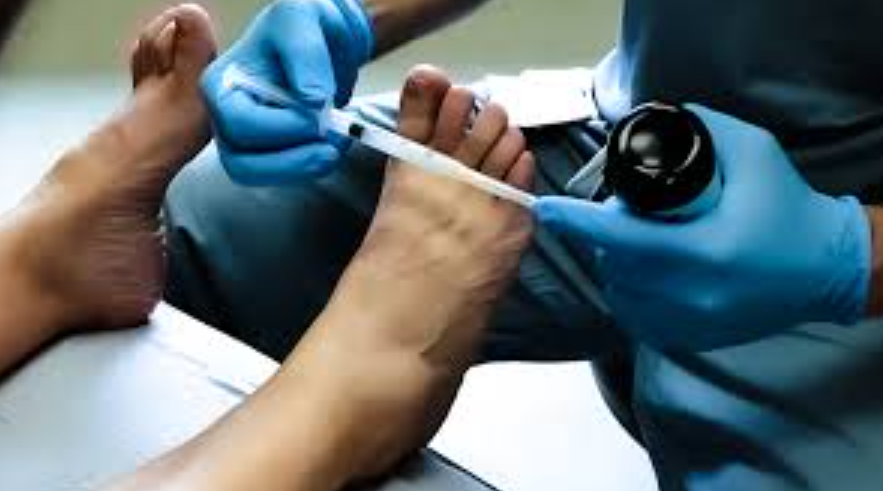
- The doctor will use ultrasound guidance to ensure precise injection placement.
- The injection itself takes only a few minutes and is generally well tolerated.
After the Injection
- Mild soreness or swelling at the injection site is common.
- Pain relief may start within a few days, depending on the type of injection.
- You may be advised to rest your foot for 24-48 hours and avoid high-impact activities.
Hearing real experiences from patients who have undergone injections for Morton’s neuroma can provide valuable insights.
Case Study 1: Cortisone Success Story
Sarah, a 45-year-old avid runner, struggled with persistent foot pain. After receiving a cortisone injection, she experienced significant relief within a week, allowing her to return to her favorite activities.
Case Study 2: PRP for Long-Term Healing
Mark, a 50-year-old office worker, opted for PRP therapy after unsuccessful cortisone treatments. Over the next few months, his pain gradually decreased, and he regained mobility.
Case Study 3: Alcohol Sclerosing for Lasting Relief
Lisa, a 60-year-old retiree, chose alcohol sclerosing injections. After a series of treatments, her neuroma pain diminished, and she avoided surgery.
Conclusion and Final Recommendations
Choosing the right injection for Morton’s neuroma depends on your symptoms, best cross training shoes for morton’s neuroma goals, and medical history.
Key Takeaways
- Cortisone injections provide quick relief but may require repeat treatments.
- PRP and stem cell therapy promote natural healing and tissue regeneration.
- Alcohol sclerosing injections offer long-term relief by reducing nerve tissue.
- Hyaluronic acid and Botox are alternative options with varying success rates.
If you’re unsure which treatment is best for you, consult with a foot specialist. They can evaluate your condition and recommend the most effective solution to help you walk pain-free again.
Recent Posts

Best Injections for Morton’s Neuroma: Cortisone and Beyond
Best Injections for Morton’s Neuroma Morton’s neuroma can feel like a sharp, burning pain in the ball of your foot,