
How to Relieve Morton's Neuroma Pain: Top Tips
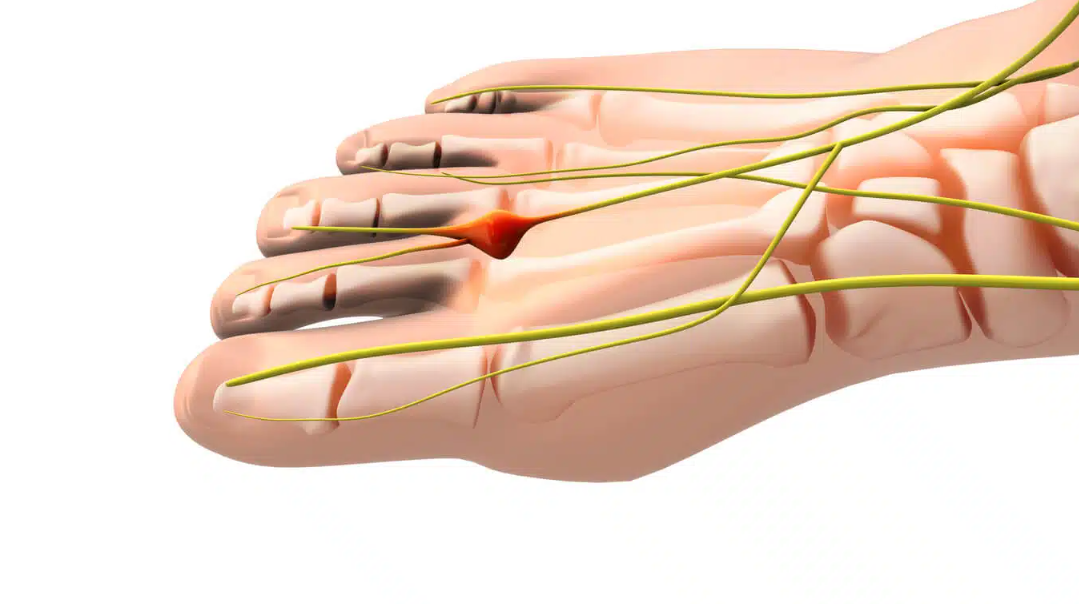
If you’ve been dealing with a sharp, burning pain in the ball of your foot—especially between your toes—you might be facing Morton’s Neuroma. This common yet frustrating condition can make every step uncomfortable, whether you’re walking, standing, or even just wearing shoes.
Many people first notice it as a tingling or numbness, but over time, the pain can feel like you’re stepping on a pebble or a piece of folded fabric inside your shoe. If you’ve wondered why this happens and how you can relieve Morton’s Neuroma pain, you’re not alone.
In this guide, we’ll break down the root causes, explore both quick fixes and long-term solutions, and help you find relief—without unnecessary jargon or complicated medical talk.
Understanding the Causes of Morton’s Neuroma
Morton’s Neuroma develops when the nerve between your toes becomes irritated and inflamed, usually due to repeated pressure or compression. Understanding why it happens is key to both relieving and preventing the pain.
Common Contributing Factors
- Foot Structure: If you have flat feet, high arches, or bunions, you’re more at risk because these conditions affect how weight is distributed across your foot.
- Footwear Choices: Tight, narrow, or high-heeled shoes squeeze the toes together, putting extra pressure on the nerve.
- High-Impact Activities: Running, sports with quick stops, or any activity that puts excessive stress on the forefoot can worsen symptoms.
- Existing Medical Conditions: Arthritis, diabetes, or previous foot injuries can make the foot more vulnerable to nerve compression.
The Importance of Early Awareness
If you catch the signs early—such as occasional tingling or a subtle burning sensation—you can often prevent the condition from worsening with a few simple changes.
Immediate Pain Relief Techniques
When pain flares up, you need fast relief. Here are proven strategies to ease the discomfort right away:
1. Rest and Adjust Your Activities
Take pressure off your foot as much as possible. If you’ve been walking or running, give your feet a break and avoid activities that aggravate the area.
2. Apply Ice
Cold therapy helps reduce inflammation and numbs the pain temporarily. Apply an ice pack wrapped in a cloth for 15-20 minutes at a time, a few times per day.
3. Over-the-Counter Pain Relief
Nonsteroidal anti-inflammatory drugs (NSAIDs) like ibuprofen can help ease both pain and swelling—but they’re only a short-term fix.
Pro Tip: Combine rest, ice, and proper footwear to get the best immediate relief while working toward long-term improvement.
Footwear Modifications
If you only make one change to relieve Morton’s Neuroma pain, start with your shoes. Footwear plays a massive role in either aggravating or alleviating symptoms.
What to Avoid
- Pointed-toe shoes that compress the toes
- High heels that shift weight onto the ball of the foot
- Stiff, unsupportive soles
What to Look For
- Wide Toe Box: Shoes that give your toes room to spread naturally. This reduces pressure on the affected nerve.
- Low or Zero Drop Heels: Flat shoes or those with a minimal heel-to-toe drop reduce forward pressure on the ball of the foot.
- Cushioning and Arch Support: Good shock absorption helps reduce nerve irritation with every step.
Recommended Shoe Types
- Athletic shoes designed for wide feet
- Comfortable walking shoes with soft padding
- Adjustable sandals with cushioned footbeds
Many people with Morton’s Neuroma find relief simply by switching to well-fitting shoes with extra toe space and proper support—sometimes, this simple change is the turning point.
Orthotics and Insoles
When you’re dealing with Morton’s Neuroma, every step can feel like you’re walking on a pebble—or worse, a burning wire underfoot. If that sounds familiar, orthotics and insoles could be the game-changing relief you’ve been looking for.
How Orthotics Help with Morton’s Neuroma
Custom or well-designed over-the-counter orthotics work by redistributing pressure across your foot. Instead of allowing your forefoot (and the nerve causing all that pain) to take the brunt of your weight, orthotics support your arches and spread the impact more evenly.
Key Features to Look For
If you’re choosing orthotics or insoles for Morton’s Neuroma, focus on these essentials:
- Metatarsal Pads: These small pads sit just behind the ball of your foot, taking pressure off the nerve.
- Arch Support: Proper arch support reduces unnecessary strain, especially if you have flat feet or high arches.
- Shock Absorbing Cushioning: Soft, cushioned materials reduce the repeated impact your feet endure with each step.
Custom vs. Store-Bought: Which Should You Choose?
- Custom Orthotics: Created specifically for your foot shape and gait. They can be pricey but are often worth it if you have severe or chronic pain.
- Over-the-Counter Insoles: These are more affordable and a good starting point, especially if your symptoms are mild or you’re trying to prevent the condition from worsening.
Many podiatrists recommend trying high-quality store-bought orthotics first—and upgrading to custom if you need more precision support.
Stretching and Exercises
If you’re thinking, “Can stretching really help nerve pain?”, the answer is yes—when done correctly. Gentle, consistent stretching helps reduce tightness in the surrounding muscles, which lowers pressure on the affected nerve.
Why Movement Matters
Morton’s Neuroma often develops when your foot mechanics are off—tight calves, stiff toes, and weak foot muscles can all contribute. By improving flexibility and strength, you’re helping your foot work the way it’s supposed to, instead of putting excess strain on one tiny nerve.
Effective Stretches to Try
- Toe Stretch: Sit down and gently pull your toes back toward your shin. Hold for 20-30 seconds.
- Calf Stretch: Stand facing a wall, step one foot back, and press your heel into the floor.
- Arch Roll: Use a tennis ball or frozen water bottle under your arch and gently roll your foot back and forth.
Strengthening Exercises
Once your foot feels looser, adding in gentle strengthening exercises helps support your arch and reduce nerve irritation. Try:
- Towel Scrunches: Use your toes to scrunch up a towel placed flat on the floor.
- Toe Spreading: Practice spreading your toes wide to improve control and strength.
It’s not about pushing through pain—it’s about gentle, consistent movement that keeps your feet happy.
Lifestyle Modifications
Your daily habits have a huge impact on your foot health, especially if you’re living with Morton’s Neuroma. The way you move, the surfaces you walk on, even your weight—all of it adds up to either relief or more pain.
Weight and Its Role in Foot Pain
This isn’t about body shaming—it’s about physics. Your feet absorb up to five times your body weight with each step. If you’re carrying extra weight, that’s extra pressure directly on the sensitive nerve causing your pain.
Even a small weight loss can significantly reduce symptoms, and many people feel relief after losing just 5-10% of their body weight.
Choosing Low-Impact Activities
If you love high-impact workouts like running or HIIT, it might be time to swap intensity for gentler options. Low-impact activities that keep you moving without aggravating your feet include:
- Swimming
- Cycling
- Pilates
- Strength training (with proper footwear)
Foot-Friendly Daily Habits
- Take regular sitting breaks if you stand all day at work.
- Swap hard floors for soft mats or supportive shoes at home.
- Focus on gentle foot massages to improve circulation and ease tension.
You don’t have to overhaul your entire life—but small, thoughtful changes can go a long way in reducing daily foot stress.
Professional Treatments and Therapies
If home care and lifestyle changes aren’t giving you the relief you need, professional treatments can help take your recovery to the next level. Seeing a podiatrist or physical therapist doesn’t mean you’re headed straight for surgery—in fact, many non-invasive therapies work remarkably well for Morton’s Neuroma.
Physical Therapy: Movement as Medicine
A skilled physical therapist can assess your gait, foot alignment, and muscle imbalances to design a custom treatment plan. This might include:
- Manual Therapy: Hands-on techniques to release tension and improve flexibility.
- Targeted Exercises: Strengthening weak muscles that contribute to poor foot mechanics.
- Gait Training: Teaching you to walk in a way that reduces nerve pressure.
Massage Therapy
Foot massages might sound indulgent, but they can be genuinely therapeutic for Morton’s Neuroma. Deep tissue massage helps:
- Relieve muscle tightness contributing to nerve compression.
- Improve blood flow, which supports healing.
- Break up scar tissue that may form around the nerve.
Acupuncture
Some people find significant relief through acupuncture, a treatment that uses thin needles to stimulate healing and relieve pain. While research is still emerging, the British Journal of Sports Medicine suggests acupuncture may help with chronic foot pain by reducing local inflammation.
Chiropractic Adjustments
If your foot pain is linked to misalignment higher up—like your hips, knees, or lower back—a chiropractor may help realign your posture, reducing pressure on your foot over time.
Professional care isn’t just for extreme cases. Even mild symptoms deserve expert attention if they’re interfering with your life.
Medical Interventions
When home remedies, footwear changes, and physical therapy aren’t enough, you might start wondering: “What medical treatments actually work for Morton’s Neuroma?” The good news? You have several options before surgery even comes into the picture.
When is Medical Intervention Necessary?
If your pain is stopping you from walking comfortably, or if you’ve been trying conservative treatments for several months with no relief, it’s time to talk to a foot specialist (podiatrist).
Common Medical Treatments for Morton’s Neuroma
- Corticosteroid Injections
These injections reduce inflammation around the nerve, offering relief that can last several weeks or even months. However, repeated injections can weaken nearby tissue, so this is often used cautiously. - Alcohol Sclerosing Injections
A lesser-known option, this treatment uses alcohol to shrink and scar the nerve, aiming to reduce pain. It’s typically done in a series, and studies show it can work well for some people, especially when surgery isn’t preferred. - Radiofrequency Ablation (RFA)
This procedure uses controlled heat to disrupt nerve signals, reducing the pain at its source. RFA is minimally invasive and can provide long-term relief for persistent neuroma pain. - Surgical Options
If other treatments fail, surgery becomes an option. There are two primary approaches:- Neurectomy: Removing part of the nerve entirely (often effective but can lead to numbness in the toes).
- Decompression Surgery: Relieving pressure around the nerve by cutting nearby ligaments.
Should You Be Worried About Surgery?
Many people fear that surgery is inevitable—but in reality, most cases improve without surgery. According to the American Orthopaedic Foot & Ankle Society, more than 80% of patients find relief through non-surgical treatments.
If you’re unsure whether medical intervention is right for you, a podiatrist can guide you through the pros, cons, and timing—so you can make an informed choice.
Alternative and Home Remedies
If you prefer natural approaches or want to boost your relief alongside medical care, several home remedies and alternative treatments can complement your recovery plan. While these aren’t overnight cures, many people find consistent, daily care makes a big difference.
Foot Soaks: Comfort at Home
There’s something soothing about sinking your feet into warm water, but with Morton’s Neuroma, the right soak can also reduce inflammation and tension.
- Epsom Salt Soaks: Epsom salts contain magnesium sulfate, which may help relax muscles and ease nerve irritation.
- Essential Oils: Adding lavender or peppermint oil can create a gentle cooling sensation that soothes burning pain.
Topical Pain Relief Options
If you’re avoiding oral painkillers, topical treatments might be worth a try. Creams containing:
- Capsaicin: Derived from chili peppers, this ingredient can reduce nerve pain over time.
- Arnica Gel: Known for its anti-inflammatory properties, arnica is popular for treating bruises and nerve pain alike.
Anti-Inflammatory Diet: Healing from Within
What you eat affects how your body manages inflammation. Consider incorporating:
- Fatty fish (rich in omega-3s)
- Leafy greens (packed with antioxidants)
- Nuts and seeds (natural anti-inflammatory foods)
Reducing processed foods, sugary drinks, and alcohol can also help calm down chronic inflammation that may exacerbate foot pain.
Self-Massage and Nerve Mobilization
Using your hands or a massage ball, gently massage the ball of your foot and your toes. This helps:
- Improve circulation around the irritated nerve
- Release muscle tightness that contributes to compression
- Provide temporary relief after a long day on your feet
Important Note: While home remedies are helpful, they work best as part of a bigger treatment plan—including proper footwear, activity changes, and professional care if needed.
Prevention Tips for Long-Term Relief
The goal isn’t just short-term relief—it’s keeping Morton’s Neuroma pain from coming back. Prevention means understanding what triggered the problem in the first place and making sure your daily habits support healthy feet.
Choosing the Right Shoes: Your #1 Prevention Tool
Nothing impacts your foot health more than what you wear every single day. After you’ve experienced neuroma pain once, investing in proper footwear is non-negotiable.
What to look for:
- Wide Toe Box: Gives your toes space to spread naturally.
- Low or No Heel: High heels shift weight onto the ball of the foot, increasing nerve pressure.
- Cushioned Sole: Absorbs impact and reduces stress on the forefoot.
Many people with Morton’s Neuroma find relief just by switching to better shoes—and they stay pain-free as long as they stick with foot-friendly footwear.
Daily Foot Care Habits
- Stretch your toes and calves regularly.
- Avoid walking barefoot on hard surfaces.
- Check your shoes for signs of wear and tear—replace them when they lose cushioning or shape.
Regular Check-Ins with a Podiatrist
Even if your pain is gone, seeing a podiatrist once or twice a year keeps you ahead of potential recurrences. They can catch subtle signs of nerve irritation and suggest adjustments before symptoms return.
Weight Management and Activity Choices
Maintaining a healthy weight reduces excess strain on your feet, while swapping high-impact activities for low-impact options (like swimming or cycling) protects your forefoot and nerves.
Prevention is Easier than Treatment
The reality is, once you’ve had Morton’s Neuroma, you’re more prone to developing it again. That doesn’t mean you have to live in fear—it just means your feet deserve a little extra care.
If you commit to smart footwear, regular stretching, and gentle daily care, you can keep your feet happy and pain-free for years to come.
Common Myths and Misconceptions
If you’ve been searching for ways to relieve Morton’s Neuroma pain, chances are you’ve come across a lot of conflicting advice. Let’s clear up some of the most common myths, so you know what to believe—and what to ignore.
Myth 1: Morton’s Neuroma is a Tumor
The word “neuroma” can sound scary, but in this case, it’s not a tumor at all. Morton’s Neuroma is actually a thickening of the tissue around a nerve in your foot—usually between your third and fourth toes. It’s painful, but it’s not cancerous or dangerous.
Myth 2: Surgery is the Only Real Fix
This is one of the most common fears people have. But the truth is, most cases of Morton’s Neuroma can be managed without surgery. Research from the American College of Foot and Ankle Surgeons shows that conservative treatments—like footwear changes, orthotics, and physical therapy—help the majority of patients.
Surgery is typically only considered when other options haven’t worked after several months.
Myth 3: Morton’s Neuroma Will Go Away on Its Own
If you ignore your pain and hope for the best, you might end up with worsening symptoms over time. Morton’s Neuroma is usually caused by repetitive irritation to the nerve—so unless you address the root cause, the problem can linger or worsen.
Myth 4: Only Athletes Get Morton’s Neuroma
While runners and athletes are at higher risk, anyone who wears narrow shoes, high heels, or stands for long periods can develop this condition. It’s especially common for people with flat feet or high arches.
Myth 5: All Foot Pain Between Toes is Morton’s Neuroma
Not all forefoot pain means you have a neuroma. Other conditions—like capsulitis, stress fractures, or arthritis—can cause similar symptoms. That’s why seeing a podiatrist for proper diagnosis is so important.
When to Seek Medical Help
So, when should you stop trying home remedies and see a professional? Knowing the right time to get expert advice can make a real difference in how quickly you recover—and how much pain you avoid.
Signs You Should See a Podiatrist
If you experience any of these red flags, it’s time to book an appointment:
- Persistent pain lasting more than a few weeks, even after rest and footwear changes.
- Burning or tingling that interferes with daily activities.
- Numbness in your toes—this could signal nerve damage.
- A feeling like you’re constantly walking on a pebble.
- Pain that keeps getting worse despite trying at-home treatments.
What to Expect During Your Visit
Visiting a podiatrist doesn’t have to be intimidating. Most appointments start with:
- A detailed conversation about your symptoms, daily habits, and footwear.
- Physical examination of your foot (pressing and moving it to pinpoint pain areas).
- Imaging if needed—like an ultrasound or MRI—to confirm the diagnosis.
Objections Some People Have (and Why You Shouldn’t Delay)
It’s easy to put off a visit because you think:
- “It’s just foot pain—it’s not serious.”
- “They’ll just tell me to rest, which I’m already doing.”
- “I don’t want to be told I need surgery.”
The reality? Early treatment often prevents the need for surgery. And many podiatrists specialize in conservative care, meaning they’ll work hard to help you heal without invasive procedures.
Preparing for Your Appointment
To get the most from your visit, bring along:
- The shoes you wear most often.
- A list of treatments you’ve tried (what worked, what didn’t).
- Details about your symptoms—when they started, what makes them worse, and what helps.
Remember, you don’t have to tough it out alone. Seeing a podiatrist sooner rather than later can help you get back on your feet faster.
Conclusion
If you’re struggling with Morton’s Neuroma pain, you’re not alone—and you’re definitely not out of options. From simple footwear changes to professional treatments, there’s a wide range of solutions that can help you feel better and stay active.
Key Takeaways
- Early action matters. The sooner you address the cause of your pain, the easier it is to manage.
- Footwear is critical. Switching to wider, cushioned shoes can often dramatically reduce symptoms.
- Treatment is highly personal. What works for someone else might not work for you—but with a little patience, you can find your ideal relief plan.
Encouragement for Long-Term Foot Health
Pain doesn’t have to define your life. Whether you’re a runner, a working professional, or just someone who loves long walks, taking care of your feet can help you stay mobile and comfortable for years to come.
If you’re ready to get expert advice tailored to your unique situation, consider scheduling a consultation with a trusted podiatrist. Your feet deserve the best care—and so do you.
Recent Posts

How to Relieve Morton’s Neuroma Pain: Top Tips
How to Relieve Morton’s Neuroma Pain: Top Tips If you’ve been dealing with a sharp, burning pain in the ball