
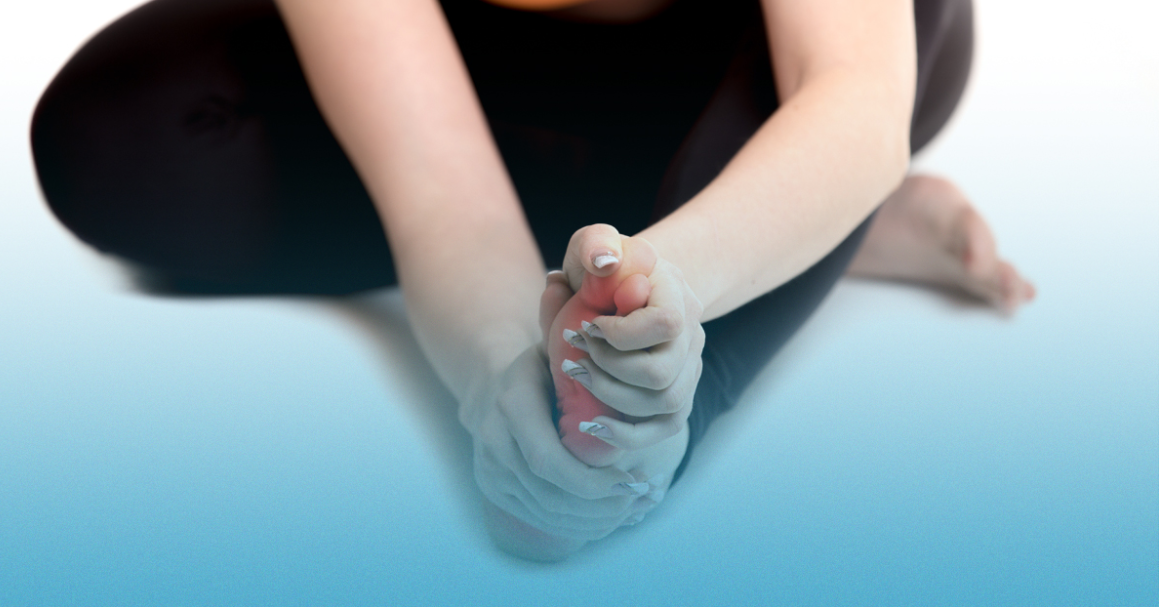
How to Massage Morton's Neuroma: Techniques for Relief
If you’ve ever felt a sharp, burning pain in the ball of your foot—especially between your toes—you might be dealing with Morton’s Neuroma. This common foot condition can make walking or even standing uncomfortable, turning everyday activities into a struggle.
While there are several ways to manage this condition, many people overlook the power of massage as a natural, hands-on way to ease discomfort. In this guide, you’ll learn how to safely massage Morton’s Neuroma, explore techniques you can try at home, and discover how to maximize relief with a few complementary practices.
Whether you’re looking for quick pain relief after a long day or a long-term strategy to improve your foot health, this article gives you the tools to get started.
Understanding Morton’s Neuroma
What Exactly Is Morton’s Neuroma?
Morton’s Neuroma happens when the tissue around a nerve in your foot thickens, usually between the third and fourth toes. This thickening compresses the nerve, triggering pain, tingling, or numbness.
In simple terms—it’s like having a small, inflamed knot pressing on a sensitive nerve every time you step down.
What Causes Morton’s Neuroma?
Understanding what triggers this condition helps you prevent it from worsening. Some common culprits include:
- Wearing tight, narrow, or high-heeled shoes
- Repetitive high-impact activities (like running)
- Foot deformities, such as flat feet or high arches
- Excessive pressure on the forefoot
Common Symptoms You Should Know
If you’re not sure whether you have Morton’s Neuroma, here are some signs to watch for:
- A sharp, burning pain in the ball of your foot
- A sensation like a pebble stuck in your shoe
- Numbness or tingling spreading into your toes
- Pain that worsens when walking or wearing tight shoes
Why Massage Can Help
Massage works by improving blood flow, relaxing tight muscles around the nerve, and gently breaking down scar tissue or adhesions. Done correctly, regular massage can help relieve pressure on the affected nerve and ease your symptoms over time.
Preparing for a Massage
When (and When Not) to Massage
Before you begin, it’s important to understand that massage isn’t always the right answer. If your foot is severely swollen, you have an open wound, or your pain is sharp and severe, it’s best to see a healthcare provider first.
Massage is usually safe if your symptoms are mild to moderate and there’s no visible injury. When in doubt, consult a foot specialist.
Tools That Can Enhance Your Massage
You don’t need fancy equipment, but having a few simple tools can make your massage more effective and comfortable:
- Massage oil or lotion – Helps reduce friction and allows your fingers to glide smoothly.
- Tennis ball or lacrosse ball – Perfect for deep tissue work if your hands get tired.
- Foot roller – A great tool for quick, targeted relief.
Creating the Right Space
You’ll get the most out of your massage if you create a calm, comfortable environment. Find a place where you can sit down comfortably and fully access your foot. Good lighting helps you see what you’re doing, and having a towel handy is always useful.
Set Realistic Expectations
Massage isn’t an instant fix. Some people feel immediate relief, while others notice gradual improvement over several sessions. Stay consistent and combine massage with proper footwear and gentle stretching for the best results.
Essential Massage Techniques for Morton’s Neuroma Relief
When it comes to relieving Morton’s Neuroma, massage can be a game-changer. Done correctly, it helps reduce nerve compression, improve circulation, and ease the burning, tingling sensations many people struggle with daily.
In this section, we’ll break down the most effective massage techniques—whether you’re doing it yourself, getting help from a partner, or working with a professional. Each approach serves a purpose, and you can mix and match to find what works best for your feet.
Manual Massage Techniques You Can Try
Manual massage (using just your hands) is one of the simplest ways to ease foot pain caused by Morton’s Neuroma. These techniques help soften tight tissues and release pressure around the affected nerve:
- Finger Kneading: Use your fingers to gently knead the ball of your foot, focusing on the area between your third and fourth toes where neuromas often develop.
- Circular Motion Massage: Apply gentle circular movements with your thumbs, helping loosen the tissues surrounding the nerve.
- Cross-Fiber Friction Massage: Use a back-and-forth motion across the foot’s soft tissue to break down adhesions that may contribute to nerve irritation.
- Pinch and Stretch: Gently pinch the space between your toes and stretch them apart to release tension between the metatarsal bones.
Each of these techniques works best when applied for 3 to 5 minutes, gradually increasing pressure if it feels comfortable.
Tools That Can Enhance Your Massage
Your hands aren’t the only option. Simple tools can make foot massage easier and often more effective:
- Tennis or Lacrosse Ball: Place the ball under your foot and slowly roll it back and forth, targeting tender spots.
- Foot Roller: These are designed specifically for foot massage, with ridges that stimulate blood flow and release tension.
- Vibration Tools: A handheld massager or vibrating ball can deliver deeper relief, especially if your hands tire quickly.
Pro Tip: Start with gentle pressure and increase gradually. Too much force can actually aggravate the nerve and make symptoms worse.
Self-Massage Techniques
Self-massage gives you the freedom to relieve pain whenever you need, without relying on anyone else. Here’s how to get started.
Step 1: Locate Your Pain Point
Sit comfortably and feel the ball of your foot. Pay attention to the area between your toes (usually the 3rd and 4th toes). That’s often ground zero for Morton’s Neuroma pain.
Step 2: Warm Up the Area
Before applying deep pressure, warm up the tissue by gently rubbing your entire foot for a minute or two. This increases circulation and prepares your foot for deeper work.
Step 3: Apply Targeted Massage
Now, use one or more of these techniques:
- Thumb Press: Press your thumb into the tender spot, holding steady pressure for 10-15 seconds. Release and repeat.
- Rolling Massage: Use a tennis ball under your foot, rolling it slowly to release tension.
- Toe Spread and Stretch: Use your fingers to gently spread your toes apart, easing pressure between the bones.
How Often Should You Massage?
Consistency is key. Many people find that 5-10 minutes of massage, once or twice a day, brings noticeable relief within a few weeks. Just listen to your body—if it hurts more after massage, ease up on the pressure or frequency.
Partner or Professional-Assisted Massage
While self-massage works well, getting help from a partner or professional therapist can take the benefits to the next level—especially if your pain is severe or you have trouble reaching your foot comfortably.
Why Professional Massage Can Be Worth It
A licensed massage therapist brings trained hands and deep knowledge of foot anatomy. They can apply:
- Deeper pressure without causing harm
- Advanced techniques like myofascial release
- Full-foot treatments that address muscle imbalances contributing to nerve compression
Plus, you get to fully relax, which can enhance the benefits of the massage itself.
Teaching Your Partner to Help
If seeing a professional regularly isn’t practical, you can teach a partner to assist you at home. Focus on:
- Showing them exactly where the pain is
- Explaining how much pressure feels comfortable
- Guiding them through simple techniques like thumb presses, circular massage, and toe stretches
This team approach can be both therapeutic and a great way to build emotional support around your healing process.
Complementary Techniques to Enhance Massage Benefits
Massage is powerful, but it works even better when combined with other strategies that reduce foot strain and promote healing. Think of these complementary techniques as part of your overall self-care plan.
Daily Stretching for Your Feet and Toes
Simple stretches can loosen tight muscles and create more space for nerves to move freely. Try these:
- Toe Spread: Sit down and manually spread your toes apart, holding for 10-15 seconds.
- Calf Stretch: Tight calves can indirectly increase pressure on the forefoot, so stretch them daily.
- Arch Stretch: Roll a towel under your foot’s arch and gently pull the ends to stretch the bottom of your foot.
Foot Mobilization Techniques
In addition to stretching, gentle joint mobilization can improve foot flexibility. Use your hands to gently wiggle and rotate your toes and midfoot. This helps release stiffness that may be contributing to nerve compression.
Heat and Ice Therapy
Many people find relief by alternating between warm foot soaks and ice packs after massage.
- Heat improves circulation and softens tissue before massage.
- Ice reduces inflammation if your foot feels sore afterward.
Epsom Salt Soaks
An Epsom salt soak is more than just a relaxing treat. The magnesium in Epsom salt helps ease muscle tension, which can make your massage even more effective.
Proper Footwear Matters
All the massage in the world won’t help if your shoes are working against you. Choose best shoes that:
- Provides enough space for your toes to spread naturally
- Has adequate arch support to reduce forefoot pressure
- Avoids high heels or narrow toe boxes
Additional Tips for Managing Morton’s Neuroma
Massage can work wonders for Morton’s Neuroma relief—but if you want lasting results, it’s only part of the solution. Think of massage as one tool in your toolbox. Pairing it with smart daily habits can protect your feet and prevent flare-ups.
Choose the Right Footwear Every Day
Shoes play a huge role in either relieving or worsening Morton’s Neuroma. Tight, narrow shoes squeeze your toes together, putting more pressure on the nerve. On the other hand, properly-fitted shoes can create space and ease that constant pinching.
What to look for in shoes:
- Wide toe box to give your toes room to spread naturally
- Low or no heel to avoid forcing weight onto the ball of your foot
- Cushioned sole to absorb impact when walking
Consider Orthotics or Insoles
Many people find that adding custom or over-the-counter orthotic inserts helps distribute weight evenly across the foot. This reduces pressure right where the nerve sits.
If you’re not sure where to start, a podiatrist can evaluate your foot mechanics and recommend inserts tailored to your needs.
Manage Your Activity Levels
If you love high-impact activities like running or jumping sports, you may need to scale back temporarily. High-impact movements repeatedly compress the nerve, slowing down healing.
That doesn’t mean you have to stop moving altogether. Low-impact options like swimming, cycling, or gentle walking can keep you active without irritating your foot.
Keep Track of Your Progress
It’s easy to forget how much progress you’ve made—especially when pain fluctuates. Consider keeping a foot health journal. Track:
- When you massage and for how long
- What shoes you wear
- Activity levels each day
- Pain levels (1-10 scale)
This helps you spot patterns and adjust your routine based on what’s working (or not working).
Common Mistakes to Avoid During Massage
Even though massage is simple, there are a few easy-to-make mistakes that can accidentally make Morton’s Neuroma worse. Let’s go over them so you can avoid unnecessary setbacks.
Applying Too Much Pressure Too Soon
It’s tempting to go deep right away, but Morton’s Neuroma involves an already irritated nerve. Too much pressure can worsen inflammation, leaving you even more sore than before.
Start gentle. Let your tissues warm up before applying firm pressure—and stop if you feel sharp pain.
Massaging the Wrong Area
Morton’s Neuroma pain can sometimes radiate to other parts of the foot, but the actual problem lies between the toes (usually between the 3rd and 4th). Focusing only on the arch or heel misses the main trigger point.
If you’re unsure where to work, gently press between your toes until you find the tender spot. That’s your target.
Ignoring Signs Your Body Sends
Soreness after massage is normal, but pain that worsens hours later—or pain combined with swelling or numbness—means something’s off. Listen to your body and give your foot time to recover before your next session.
When to Seek Professional Help
Massage and self-care can work wonders for mild to moderate Morton’s Neuroma. But if your pain keeps getting worse—or starts interfering with your daily life—it’s time to bring in a foot specialist.
Signs It’s Time to See a Podiatrist
- Pain that doesn’t improve after 4-6 weeks of self-care
- Numbness spreading into the toes
- Burning pain even when resting
- Visible swelling in the forefoot
- Difficulty walking even short distances
What Professional Treatments Can Help
A podiatrist has a full toolkit to help manage stubborn cases. Depending on the severity, they may recommend:
- Custom orthotics to correct foot mechanics
- Physical therapy for strengthening and mobilization
- Corticosteroid injections to reduce inflammation
- Imaging tests to confirm the diagnosis
In rare cases, if conservative treatments don’t work, minor surgery to release pressure on the nerve may be an option.
The bottom line? You don’t have to live with constant foot pain. If your efforts at home aren’t enough, professional care can help get you back on your feet—comfortably.
Conclusion
Morton’s Neuroma can feel like a small problem—but if you’ve lived with it for a while, you know how much it disrupts your daily life. Every step reminds you it’s there. Every shoe decision becomes a careful calculation. Even something simple like standing in line can trigger that sharp, burning pain.
The good news? Relief is within reach. With consistent massage, better footwear, and a few simple adjustments, you can take pressure off that sensitive nerve and help your foot heal naturally.
Remember: it’s not just about treating the pain—it’s about understanding what’s causing it and making your feet happier overall.
If you’re ready to give massage a try, start gently, listen to your body, and build a foot care routine that works for you. Many people find that this hands-on approach helps them walk more comfortably—and you deserve that too.
Recent Posts

How to Massage Morton’s Neuroma: Techniques for Relief
How to Massage Morton’s Neuroma: Techniques for Relief If you’ve ever felt a sharp, burning pain in the ball of