
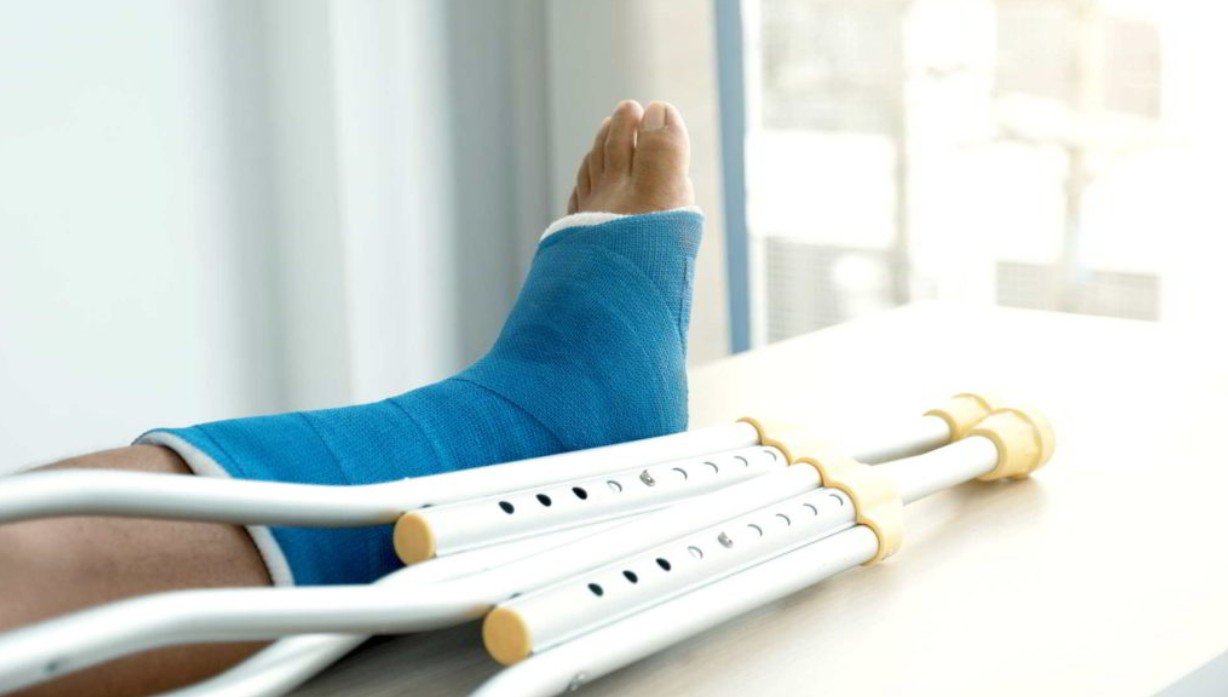
How Soon Can You Walk After Morton's Neuroma Surgery?
Before we talk about walking, let’s quickly cover what Morton’s neuroma actually is. Morton’s neuroma is a painful condition affecting the ball of your foot, usually between the third and fourth toes. It happens when the nerve in that area becomes thickened and inflamed, often due to pressure from tight shoes, high heels, or repetitive foot stress. The pain can feel sharp, burning, or like you’re stepping on a pebble.
Why Surgery is Sometimes Needed
Most people try non-surgical treatments first—like wearing wider shoes, using orthotics, or getting steroid injections. But when these options don’t work, surgery becomes the next step.
Types of Morton’s Neuroma Surgery
There’s no one-size-fits-all surgery. Depending on your case, your foot surgeon might recommend:
- Neurectomy: The most common option where the affected nerve is removed entirely.
- Decompression Surgery: In this procedure, nearby structures (like ligaments) are released to ease pressure on the nerve.
- Cryosurgery: A less common approach where the nerve is frozen to reduce pain signals.
Each procedure comes with its own recovery timeline—especially when it comes to walking. That’s why it’s important to know which surgery you’ve had, so you can set realistic expectations.
What Happens During Surgery?
Most Morton’s neuroma surgeries are outpatient procedures, meaning you go home the same day. Surgery typically lasts under an hour, and you’ll either get local anesthesia (numbing the foot) or light sedation.
The surgeon makes a small incision on the top of your foot to access the neuroma. After removing or decompressing the nerve, the incision is stitched up, and your foot is wrapped in a bandage.
Recovery Timeline: A Quick Glance
While every recovery is unique, here’s a general timeline for walking:
- First few days: Rest, limited walking only if necessary.
- Weeks 1-2: Gradual weight-bearing (with support).
- Weeks 4-6: Walking more comfortably, but still with caution.
- Weeks 6-12: Back to normal walking (for most people).
Of course, this depends on how well your body heals and how closely you follow post-op care.
Immediate Post-Surgery Period (First 24-72 Hours)
The first 72 hours after Morton’s neuroma surgery are critical for how well you heal—and how soon you’ll be able to walk again.
What to Expect Right After Surgery
Once your surgery is done, your foot will be numb from anesthesia. This numbness can last several hours, so don’t panic if you can’t feel much initially.
Expect swelling, bruising, and some discomfort to kick in once the numbness wears off. Your foot will be bandaged and you’ll likely wear a surgical shoe or walking boot to protect the area.
Pain and Swelling Management
To control swelling (and make walking easier later), doctors typically recommend:
- Elevating your foot above heart level as much as possible.
- Applying ice packs (with a cloth barrier) for 15-20 minutes at a time.
- Taking prescribed pain medication (or over-the-counter options if appropriate).
Managing swelling well in these first few days can speed up your ability to walk comfortably.
Can You Walk Right After Surgery?
This is the big question—and the answer depends on your surgery type and your surgeon’s advice.
- After neurectomy (nerve removal), you might need to avoid full weight-bearing for the first few days.
- After decompression surgery, some people can walk short distances with a surgical shoe almost immediately.
- After cryosurgery, walking is often possible the same day—but cautiously.
In all cases, your first few steps should be with support, like crutches or a walker, until you know how your foot responds. Even if you feel okay, rushing into full walking can delay healing and trigger complications like excess swelling or wound breakdown.
Walking After Morton’s Neuroma Surgery: Timeline Breakdown
When can you walk after Morton’s neuroma surgery? This is one of the first questions people ask—and it’s completely understandable. After all, walking is part of your everyday life, and being off your feet can feel frustrating.
The truth is, walking recovery happens in stages, and your experience will depend on the type of surgery you had, your body’s healing speed, and how well you follow your aftercare plan. Let’s break it down, step by step.
First Few Days (0-3 Days): Rest and Protection
For the first 48-72 hours, walking should be minimal—only when absolutely necessary, like getting to the bathroom. Your foot will be swollen, sore, and bandaged, so giving it time to rest and heal is crucial.
What to Expect:
- You’ll likely wear a surgical shoe or walking boot to protect the incision.
- You may need crutches or a walker to keep weight off your foot.
- Keeping your foot elevated (higher than your heart) will help control swelling.
First Week (Days 4-7): Gentle Weight-Bearing Begins
By the end of the first week, many patients can start putting a bit of weight on the foot—but only if your surgeon clears it. This doesn’t mean long walks. It means slow, supported walking around the house, always paying attention to pain and swelling.
Important Tips:
- Use crutches or a walker if your balance feels off.
- Keep wearing the surgical shoe to protect the incision site.
- Avoid uneven surfaces or sudden twisting motions.
Week 2-4: Gradual Progress with Caution
This is where many people start walking more comfortably, but full weight-bearing might still feel uncomfortable. Some swelling and stiffness is completely normal.
What Helps:
- Wearing supportive shoes with plenty of toe space.
- Continuing gentle movement to prevent stiffness.
- Checking in with your surgeon if pain increases after walking.
Week 4-6: Steady Improvement
Most patients can walk short distances more confidently around this time. You may even feel ready to leave the surgical shoe behind, though this depends on your healing progress.
Key Focus:
- Pay attention to how your foot reacts after longer walks.
- Start gentle stretching exercises if recommended.
- Avoid pushing through pain—even if you’re eager to get back to normal.
Week 6-12: Back to Normal Walking (With Care)
For many people, the 6 to 12-week window is when normal walking returns—but with some caveats. Your foot might still feel tender after long walks, and you may need custom insoles for extra comfort.
Final Stage Tips:
- Choose cushioned, supportive footwear (no high heels yet).
- Gradually increase your walking time, not all at once.
- If pain persists, talk to your doctor to rule out complications like scar tissue or nerve regrowth.
Factors That Influence Walking Timeline
Why do some people walk comfortably after just a few weeks, while others need months? The answer lies in several factors that can speed up – or slow down – your recovery.
1. Type of Surgery Performed
Different surgeries mean different healing times.
- Neurectomy (nerve removal): Often requires a longer no-weight period, as the nerve site heals.
- Decompression Surgery: May allow earlier walking, since no nerve is removed.
- Cryosurgery: Because it’s less invasive, walking might be possible within days.
2. Your Personal Healing Speed
Everyone heals at their own pace. Some people naturally recover faster, while others patients experience more swelling or stiffness. Factors like age, circulation, and overall health all play a role.
3. Pre-Existing Foot Conditions
If you already have bunions, flat feet, or arthritis, your recovery may take longer because your foot needs extra support to function properly.
4. Following Post-Surgical Instructions
This one’s huge. Patients who strictly follow their surgeon’s instructions—like elevating the foot, using assistive devices, and avoiding early weight-bearing—tend to recover faster.
5. Age and Overall Health
Younger, active patients with good circulation tend to heal faster. If you have diabetes or other conditions that affect healing, expect a longer recovery timeline.
Tips for Safe Walking After Surgery
Even after you’re allowed to walk again, doing it safely matters just as much as how soon you start. These simple tips can make a big difference in your comfort and recovery speed.
1. Choose the Right Footwear
Ditch the tight shoes and anything with pointed toes. Instead, go for:
- Shoes with a wide toe box.
- Plenty of cushioning in the sole.
- Low heels (or no heels at all).
2. Consider Orthotics or Insoles
Custom orthotics or metatarsal pads can offload pressure from the surgical area, making walking more comfortable.
3. Monitor for Warning Signs
Walking should gradually feel easier. If you notice:
- Sharp, stabbing pain.
- New swelling after walking.
- Numbness or tingling returning.
Stop and contact your doctor.
4. Ease Back into Walking
It’s tempting to jump back into your old routine, but too much too soon can set you back. Start with:
- Short walks around the house.
- Slowly adding distance each week.
- Pausing if your foot gets warm, red, or swollen.
5. Be Patient with Your Body
Healing from Morton’s neuroma surgery isn’t a race. Some days, your foot will feel great. Other days, it might feel stiff and swollen again—and that’s normal.
As long as you’re progressing overall, you’re on the right track. And if you’re unsure about your walking timeline, your surgeon or physical therapist can guide you.
Signs You’re Walking Too Soon (or Too Much)
It’s natural to want to get back on your feet as quickly as possible after Morton’s neuroma surgery. But pushing yourself too soon—or walking more than your foot can handle—can slow down healing or even cause setbacks.
How do you know if you’re walking too much or starting too soon? Your body will give you clear signals—and learning to recognize them can protect your recovery.
1. Increased Swelling After Walking
Some mild swelling is completely normal after surgery, especially toward the end of the day. But if you notice significant swelling immediately after a short walk—or your foot balloons up after gentle activity—that’s a sign you might be overdoing it.
What to Watch For:
- Swellingl that doesn’t go down with elevation.
- Swelling that feels tight or throbbing after walking.
2. Throbbing or Sharp Pain During or After Walking
Mild discomfort is expected in early recovery, but sharp, stabbing pain or a deep, throbbing ache right after walking often means your foot isn’t ready for that level of weight-bearing.
If walking triggers this kind of pain, it’s a signal to slow down and reassess.
3. Incision Site Changes
Your incision area should be calming down gradually. If walking causess the scar to feel hot, inflamed, or extremely tender, or you notice redness, bleeding, or unusual discharge, this can indicate irritation or a mild infection—sometimes triggered by too much walking.
4. Numbness or Tingling Returns
If you feel a buzzing, tingling, or pins-and-needles sensation in your toes or the ball of your foot after walking, it could be a nerve reacting to pressure or swelling. While some tingling can be part of normal nerve healing, a sudden return of numbness or electric shock-like sensations after walking may mean your foot needs more rest.
Physical Therapy and Exercises for Walking Recovery
Recovering your walking ability after Morton’s neuroma surgery isn’t just about time passing—it’s also about rebuilding strength, flexibility, and balance in your foot and ankle. That’s where physical therapy (PT) and gentle home exercises can make a real difference.
When Should You Start Physical Therapy?
Most patients are referred to physical therapy somewhere between week 2 and week 6, depending on the type of surgery and how your healing progresses. Your surgeon will decide the right time for you.
The goal of PT: Help you walk comfortably again, with a normal gait and minimal risk of future pain.
Key Exercises to Expect
1. Range of Motion (ROM) Exercises
After surgery, your foot may feel stiff or tight, especially around the toes. ROM exercises help gently restore flexibility, making walking smoother.
Examples:
- Toe bends (gently curling and extending toes).
- Ankle circles and point/flex movements.
2. Strengthening Exercises
Walking requires strong, supportive muscles, particularly in your arch, ankle, and calf. As you heal, your therapist will guide you through simple strength-building moves.
Examples:
- Towel scrunches (picking up a towel with your toes).
- Heel raises (rising onto the balls of your feet).
- Resistance band exercises for your ankle.
3. Balance and Gait Training
After surgery, it’s common to favor one side when you walk. Physical therapy helps retrain your gait, so you can walk evenly without putting excess strain on your other foot, knees, or hips.
Techniques Might Include:
- Walking drills on different surfaces.
- Single-leg balance exercises.
- Posture and foot strike corrections.
4. Scar Tissue Massage
In some cases, your therapist may perform gentle scar massage to break up adhesions and keep the scar flexible, which helps your foot move more freely.
Can You Do Exercises at Home?
Absolutely—many simple exercises can be done at home between PT sessions. But it’s important to follow your therapist’s advice and avoid overdoing it.
If you’re unsure what’s safe, start by asking:
- How much weight should I put on my foot during these exercises?
- Should I stop if I feel mild pain or only if it gets severe?
Are there any exercises I should avoid completely?
Common Complications That May Delay Walking
Most people recover from Morton’s neuroma surgery without major issues—but like any procedure, there’s always a chance of complications that could slow down your walking recovery. Knowing what to watch for helps you act fast if something feels off.
1. Persistent Pain or Recurrence
In some cases, people continue to feel pain at the surgical site, even weeks after surgery. This could be due to:
- Residual nerve irritation.
- Scar tissue pressing on nearby structures.
- Formation of a stump neuroma (a small nerve ending that becomes over-sensitive).
If your pain isn’t gradually improving—or suddenly worsens—talk to your surgeon.
2. Infection at the Incision Site
Though rare, infections can happen after surgery. Signs include:
- Redness and warmth around the incision.
- Thick discharge (yellow, green, or foul-smelling).
- Fever or chills.
An untreated infection can slow down healing and make it harder to walk comfortably. If you spot these symptoms, call your doctor right away.
3. Scar Tissue Formation
Some patients develop excess scar tissue (also called adhesions), which can limit movement or cause tugging sensations during walking. This is another area where physical therapy can help by using techniques like scar massage.
4. Nerve Regrowth Pain (Stump Neuroma)
If a nerve was removed during surgery, the cut end may sometimes form a small, painful lump—this is called a stump neuroma. It can cause:
- Sharp, shooting pains when walking.
- Tingling or burning sensations.
- Pain with certain shoe pressures.
This is one of the most common reasons for delayed walking comfort, especially after neurectomy surgery.
Realistic Expectations: When Can You Walk Normally?
If you’ve had Morton’s neuroma surgery, one of the first questions on your mind is likely: When will I walk normally again? It’s a fair question—after all, your feet carry you through your day, and getting back to pain-free walking is probably your top goal.
The answer depends on several factors, but understanding the general timeline—and what to expect at each stage—can help you set realistic goals for recovery.
What Does “Walking Normally” Mean?
For some people, “normal walking” means being able to walk around the house comfortably without a limp. For others, it might mean returning to long walks, exercise, or even running. The time it takes to reach your personal version of “normal” depends on your starting point and the type of surgery you had.
Typical Walking Timeline After Morton’s Neuroma Surgery
While every recovery is unique, here’s a general guide for when you can expect to walk—and what that walking looks like.
First Week: Protective Walking Only
- Weight-bearing may be partially allowed in a surgical shoe or boot.
- Walking is limited to essential trips (bathroom, kitchen) with crutches or a walker for support.
- Most walking happens indoors, on smooth, flat surfaces.
Weeks 2-4: Gradual Increase
- You may phase out crutches if healing is on track.
- Short walks indoors become more frequent, but swelling may flare up if you overdo it.
- Supportive footwear remains essential.
Weeks 4-6: Building Confidence
- Most people can walk short distances outside with care.
- Mild stiffness or tenderness when walking is common, especially at day’s end.
- Physical therapy may begin to correct your walking posture.
Weeks 6-12: Near-Normal Walking
- For many patients, daily walking feels natural again during this window.
- Walking longer distances, like at the grocery store or on short errands, becomes comfortable.
- Supportive shoes are still recommended to protect your healing foot.
After 3 Months: Fully Back to Normal
- Walking feels smooth and comfortable.
- You can gradually return to fitness walking, light exercise, or even hiking, if cleared by your surgeon.
- Swelling may still occur after long days but improves with rest.
Factors That Affect Your Timeline
Your personal walking recovery may be faster or slower based on:
- Type of surgery performed (neurectomy, decompression, cryosurgery).
- Overall health and age—younger, active individuals may bounce back faster.
- Pre-existing foot issues like bunions or flat feet.
- How closely you follow post-op instructions for rest, footwear, and therapy.
Real Talk: Don’t Compare Your Recovery
It’s tempting to search for success stories online—but remember, no two recoveries are identical. Some people walk normally within 6 weeks, while others need closer to 12-16 weeks to feel fully confident on their feet.
If you want to walk normally and comfortably for years to come, the best approach is to follow your body’s signals—and not rush.
FAQs
Can You Walk the Same Day as Surgery?
In most cases, yes—but only with serious limitations. You’ll likely be allowed to put partial weight on your foot right away, but only while wearing a protective boot or surgical shoe. Crutches or a walker can help take pressure off your foot during these first fragile hours.
Important: Walking too much too soon can trigger swelling and pain, which slows healing. Think gentle steps, not long walks.
How Long Until You Can Walk Without a Boot?
This varies based on the surgery type and your healing speed. Most patients transition out of the surgical boot around week 3 or 4. However, if swelling persists, your doctor might extend the boot-wearing period to protect your foot.
When Will Walking Feel Normal Again?
For most people, walking starts to feel natural around 6-8 weeks post-surgery, with continued improvements over the next few months. Full recovery, including walking long distances without swelling or discomfort, may take 3 to 4 months—sometimes longer.
Can You Walk Barefoot After Surgery?
Barefoot walking isn’t recommended during early recovery. Your foot will still be healing and vulnerable, and the lack of support can strain healing tissues. Many surgeons suggest avoiding barefoot walking for at least 8-12 weeks, if not longer.
Even after you’re fully healed, wearing supportive shoes (especially indoors) can help prevent future foot problems.
What If Walking Still Hurts After 3 Months?
Mild soreness after long walks can be normal, especially if you had a neurectomy (nerve removal). But if you’re still experiencing sharp pain, swelling, or limping after 3 months, it’s time to check in with your surgeon.
They might investigate:
- Scar tissue buildup.
- Residual nerve irritation.
- Formation of a stump neuroma (painful nerve ending regrowth).
Gait compensation issues (where the body adjusts posture to avoid pain).
Conclusion
Recovering your ability to walk normally after Morton’s neuroma surgery takes time, patience, and smart choices. The process isn’t just about healing the incision—it’s about retraining your foot to walk comfortably again, step by step.
Key Takeaways
- Walking recovery follows a staged timeline, from protective steps to confident strides.
- Every patient’s walking speed varies, so comparing yourself to others is unhelpful.
Listening to your body—and your surgeon—helps you avoid complications and ensures a strong recovery.
Recent Posts

How Soon Can You Walk After Morton’s Neuroma Surgery?
How Soon Can You Walk After Morton’s Neuroma Surgery? Before we talk about walking, let’s quickly cover what Morton’s neuroma