
Best Toe Separators for Morton's Neuroma: Do They Work?
If you’re dealing with Morton’s Neuroma, you already know how frustrating and painful every step can feel. That sharp, burning sensation in the ball of your foot—or the uncomfortable feeling like there’s a pebble stuck in your shoe—is more than just an annoyance. It can disrupt everything from your morning walk to your workouts.
This is why many people start searching for simple, non-invasive solutions like toe separators. But do they actually help with Morton’s Neuroma, or is it just hype? In this guide, we’ll break down what toe separators are, how they work, and whether they’re worth adding to your foot care routine.
What Are Toe Separators?
Definition and Purpose
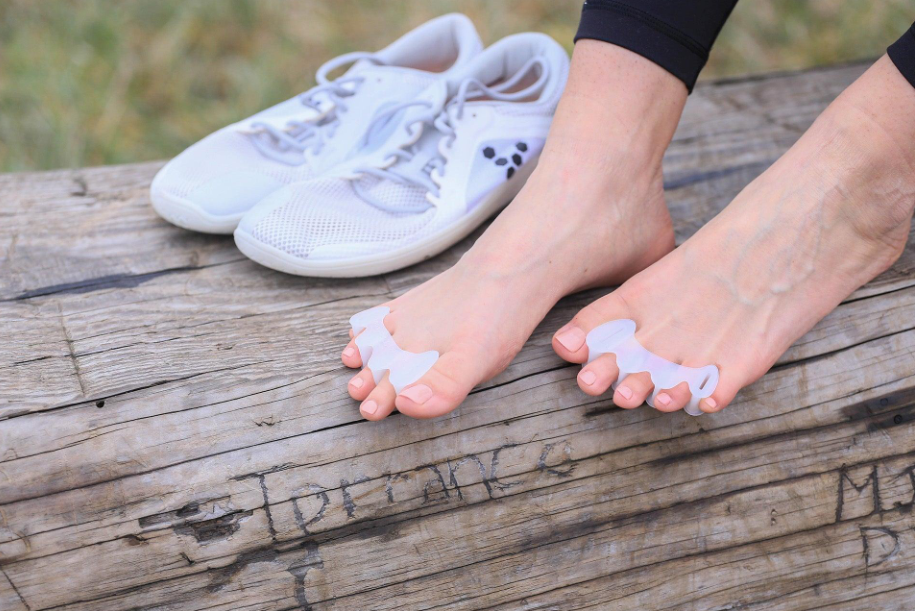
Toe separators are small devices designed to sit between your toes, gently spreading them apart. They’re usually made from materials like gel, silicone, foam, or fabric. Their main purpose is to improve toe alignment and reduce friction or pressure between toes.
Different Types of Toe Separators
Depending on your needs, you’ll find several types:
- Individual separators: One placed between two toes.
- Full foot spacers: These spread all toes at once.
- Loop separators: These fit snugly around individual toes for a secure hold.
How Do They Work?
Toe separators gently encourage your toes back into a more natural position. By restoring proper spacing, they help reduce pressure on the ball of the foot, which is often the root cause of pain in conditions like Morton’s Neuroma. They can also reduce rubbing and inflammation between the toes.
The Link Between Toe Separators and Morton’s Neuroma
What Causes Morton’s Neuroma?
Morton’s Neuroma develops when the nerve between the toes—usually between the third and fourth toe—becomes compressed and irritated. This is often due to tight footwear, repetitive stress, or foot deformities like bunions or hammertoes.
How Toe Separators May Help
Toe separators relieve nerve pressure by gently spreading the toes apart, which reduces the pinching that aggravates the nerve. This realignment can also improve weight distribution across the foot, helping to take stress off the ball of the foot.
Do They Provide Long-Term Correction?
While toe separators can improve alignment temporarily, they aren’t a permanent fix if the underlying cause (like tight shoes or poor foot mechanics) isn’t addressed. However, when combined with supportive footwear and strengthening exercises, they can become part of an effective long-term plan.
Toe Separators vs. Other Conservative Treatments
Toe separators are just one piece of the puzzle. Many people also benefit from:
- Metatarsal pads to cushion the forefoot.
- Orthotics for arch support.
- Stretching and foot exercises to improve strength and flexibility.
Types of Toe Separators for Morton’s Neuroma
1. Gel Toe Separators
Soft, flexible, and comfortable for daily wear. These work well if you want something gentle that fits inside morton neuroma shoes.
2. Foam Spacers
Slightly firmer, ideal for short-term relief or post-activity recovery.
3. Loop-Style Separators
These come with a small loop that fits over a toe, keeping the separator in place. Great for active people who want to keep moving.
4. Full-Foot Toe Spreaders
Designed to spread all toes at once, these are often used during yoga, stretching, or barefoot recovery time.
5. Adjustable Separators
Some models allow you to customize the spacing between toes for a more tailored fit. These are particularly helpful if you have unique foot shapes or different levels of discomfort between toes.
Features to Look for in Toe Separators for Morton’s Neuroma
Choosing the right toe separators can make a huge difference if you’re dealing with Morton’s Neuroma. But not all separators are created equal, and it’s easy to feel overwhelmed with so many options. Let’s break down the key features to consider so you can find the best fit for your feet.
1. Material Comfort and Skin Safety
Since toe separators sit directly against your skin, comfort matters. Look for soft, skin-friendly materials like medical-grade silicone or gel. These tend to be gentle, flexible, and durable. If you have sensitive skin, avoid cheap plastic options, which can cause rubbing and irritation.
2. Thickness and Spacing Ability
Not all Morton’s Neuroma cases need the same level of spacing. If your toes are tightly cramped, you may want thicker separators. For mild discomfort, thinner options can be enough. Some separators even allow you to adjust the spacing, giving you more control.
3. Wearability with Shoes
Will you wear your separators inside shoes, or just at home? Slim-profile separators fit better in regular footwear, while wider spreaders work well barefoot—especially during rest, yoga, or recovery sessions.
4. Ease of Cleaning and Reusability
Since foot hygiene is essential, opt for separators that are easy to wash and hold their shape after cleaning. Most silicone and gel options can be rinsed with soap and water, making them easy to keep fresh.
5. Sizing Options
Feet come in all shapes and sizes, so one-size-fits-all doesn’t always work. Ideally, choose a brand that offers multiple size options or custom-fit designs, especially if you have wider or narrower feet.
Benefits of Using Toe Separators for Morton’s Neuroma
If you’re wondering whether toe separators are worth trying, the short answer is: they can be incredibly helpful—especially when used consistently. Here’s what you can expect when you find the right pair.
1. Pain Relief and Pressure Reduction
By gently spreading your toes, separators reduce the pressure on the nerve affected by Morton’s Neuroma. This can help ease that sharp, burning pain many people feel in the ball of the foot.
2. Improved Toe Alignment
Tight shoes and years of poor foot posture often lead to overlapping toes or crowding. Separators gradually encourage better spacing, helping your toes return to a more natural position. This doesn’t just ease nerve pain—it can also improve how your foot bears weight.
3. Enhanced Balance and Stability
When your toes are properly aligned, your foot can distribute pressure more evenly. This can improve overall foot function, giving you better stability during walking, running, or standing for long periods.
4. Prevention of Further Foot Issues
Addressing toe crowding early can also help prevent other problems down the line—like bunions, hammertoes, or corns. Think of toe separators as a gentle intervention that supports foot health before things get worse.
5. Encourages Circulation and Relaxation
Spreading your toes can boost blood flow to areas that often get compressed. Many people also describe the feeling as refreshing—like giving their feet a much-needed stretch after a long day in tight shoes.
Limitations and Potential Drawbacks
While toe separators can provide relief, they aren’t a miracle cure. Understanding their limitations will help you set realistic expectations and get the most out of them.
1. Temporary Relief, Not Permanent Fix
Toe separators relieve pressure and improve alignment while you’re wearing them. But if you return to tight shoes or skip foot exercises, the benefits can fade. They work best as part of a complete foot care plan, not a standalone solution.
2. May Not Work for Severe Neuroma Cases
If your Morton’s Neuroma has progressed to the point of constant, severe pain—or if the nerve is heavily thickened—separators alone might not cut it. In these cases, you may need to explore options like custom orthotics, physical therapy, or even injections.
3. Discomfort with Prolonged Use
If you jump into wearing separators for hours at a time, you could experience some initial aching or soreness—especially if your toes are very cramped. Most podiatrists recommend starting slow, using separators for 15-30 minutes a day before gradually increasing time.
4. Compatibility with Shoes
Not all separators fit easily into regular footwear. If you wear narrow or pointed shoes, even thin separators might feel too bulky. Many people reserve their separators for home use or wear them with roomier shoes like sneakers or sandals.
5. Potential for Skin Irritation
If the material rubs too much or traps moisture, you could end up with redness or irritation between your toes. This is more common with lower-quality separators or if you wear them for long stretches in hot weather.
Scientific Evidence and Expert Opinions
It’s natural to wonder if toe separators are just another internet trend, or if they actually have science to back them up. Fortunately, research and expert opinions suggest there’s real merit to using them—especially for conditions like Morton’s Neuroma.
What Studies Say
Several biomechanical studies have shown that properly spaced toes can improve weight distribution across the foot, which reduces localized pressure on nerves and joints. A 2018 study published in the Journal of Foot and Ankle Research highlighted how toe spacers improved plantar pressure distribution in people with forefoot pain, showing clear potential for helping neuroma patients.
Podiatrist Insights
Many podiatrists recommend toe separators as a low-cost, low-risk option for relieving early-stage neuroma pain. According to Dr. Emily Splichal, a board-certified podiatrist and human movement specialist, “When combined with proper footwear and foot strengthening exercises, toe spacers can improve both symptoms and foot function over time.”
Real-World Testimonials
Beyond clinical evidence, countless patients report that toe separators make a noticeable difference—especially when worn consistently. They describe the sensation as a gentle stretch, and many say they feel less burning or numbness after using separators for a few weeks.
Best Toe Separators for Morton’s Neuroma (Product Recommendations)
When it comes to finding the best toe separators for Morton’s Neuroma, the right choice depends on your lifestyle, pain level, and how you plan to use them. To help you decide, here are some top picks across different categories—each suited for a specific need.
Best Overall: NatraCure Gel Toe Separators
If you want comfort, durability, and versatility in one product, NatraCure’s gel separators stand out. They use medical-grade gel that’s soft yet supportive, and they work well whether you’re barefoot or wearing roomy shoes.
Highlights:
- Gentle on sensitive skin
- Washable and reusable
- Works for both mild and moderate neuroma symptoms
Best for Daily Wear: ZenToes Toe Separators
Designed to fit comfortably inside most shoes, ZenToes separators are thin yet effective. They’re ideal if you want to relieve pressure throughout the day without constantly adjusting your footwear.
Why It Works:
- Slim design fits most casual shoes
- Skin-safe gel for long wear
- Reduces friction between toes
Best for Active Lifestyles: Correct Toes
For runners, hikers, or anyone with an active routine, Correct Toes offers anatomically shaped separators that support natural toe splay while you move. These were actually designed by a podiatrist, making them a trusted choice for foot health enthusiasts.
Best Features:
- Designed for use during exercise
- Durable medical-grade silicone
- Enhances balance and stability
Best for Severe Pain: ViveSole Toe Spacers
If your neuroma pain feels intense—even at rest—you may need something a bit thicker to relieve compression immediately. ViveSole’s extra-wide gel spacers are designed to provide maximum separation for instant relief.
What Makes It Stand Out:
- Extra-wide design for maximum spacing
- Great for rest and recovery
- Soft, cushioning feel
Budget-Friendly Option: Mind Bodhi Toe Separators
You don’t have to spend a lot to get decent relief. Mind Bodhi offers affordable, no-frills separators perfect for trying out toe spacing before investing in premium options.
Reasons to Try:
- Wallet-friendly price
- Flexible gel fits most feet
- Ideal for occasional use at home
How to Use Toe Separators Correctly
Using toe separators might seem straightforward, but a few small mistakes can make them uncomfortable—or less effective. Here’s how to use them correctly to maximize relief from Morton’s Neuroma.
Step 1: Choose the Right Fit
Make sure your separators are snug but not painfully tight. If they pinch or cause new discomfort, you probably need a different size or material.
Step 2: Start Slowly
Your toes may feel stiff or awkward the first time you use separators—especially if they’ve been cramped for years. Start with just 15-30 minutes a day, then gradually increase the time as your feet adjust.
Step 3: Correct Placement
Place each separator between the toes most affected by neuroma pain. For many, that’s between the third and fourth toes, but this can vary depending on your foot shape and symptoms.
Step 4: Combine with Supportive Footwear
For best results, wear wide-toe box shoes when using separators during the day. Avoid tight, narrow, or high-heeled shoes, which cancel out the benefits.
Step 5: Keep Them Clean
Wash your separators regularly—especially if you sweat a lot or wear them inside shoes. A quick rinse with mild soap and warm water helps prevent irritation and extends their lifespan.
Bonus Tip: Combine with Other Treatments
Toe separators work even better when paired with other foot care techniques like:
- Gentle foot stretches to release tension
- Icing after long walks or workouts
- Massage to improve circulation and reduce nerve irritation
Watch for These Signs
If you notice increased pain, skin irritation, or numbness after wearing separators, stop using them and consult a podiatrist. Proper fit is everything—and your feet might need a different approach if symptoms worsen.
Alternatives to Toe Separators for Morton’s Neuroma
While toe separators can be incredibly helpful, they aren’t the only option. If they don’t work for you—or you want to combine treatments—these alternatives could help relieve neuroma pain too.
1. Orthotic Insoles
Custom or over-the-counter orthotic inserts can redistribute pressure across your foot, taking the load off the nerve. Look for insoles with metatarsal support, which is particularly important for Morton’s Neuroma.
When to Consider:
- If you have flat feet or high arches
- If you spend hours standing each day
- If toe separators feel uncomfortable in shoes
2. Metatarsal Pads
These small cushions sit under the ball of your foot, lifting the metatarsal bones and reducing nerve compression. They work well inside shoes, making them a good choice for on-the-go relief.
Why People Like Them:
- Affordable and easy to use
- Fits most shoes
- Provides cushioning and spacing
3. Supportive shoes
Sometimes, the shoes themselves are the real problem. Switching to shoes with a wide toe box, good arch support, and cushioning soles can dramatically reduce neuroma pain—even without extra inserts or separators.
Shoe Features to Look For:
- Wide forefoot (no toe squeezing)
- Low or zero heel drop
- Soft, shock-absorbing sole
4. Physical Therapy
A trained physical therapist can teach you exercises to strengthen foot muscles, improve flexibility, and correct faulty walking patterns. In some cases, improving overall foot mechanics reduces the pressure that aggravates the neuroma.
Common Exercises:
- Toe stretches and toe scrunches
- Calf and Achilles stretches
- Balance and proprioception drills
5. Injections or Medications
If conservative treatments like toe separators and orthotics aren’t enough, your podiatrist might recommend corticosteroid injections to calm inflammation or pain relievers to manage symptoms.
What to Expect:
- Temporary relief (injections often last weeks to months)
- May help break a cycle of severe pain
- Works best alongside footwear and posture changes
6. Surgery (Last Resort)
For severe cases where nothing else works, surgical removal of the neuroma is an option. However, surgery comes with risks and downtime, so it’s typically saved for persistent, disabling pain.
Final Verdict: Do Toe Separators Work for Morton’s Neuroma?
So, are toe separators worth trying if you have Morton’s Neuroma? The short answer is: Yes—but with realistic expectations.
What They Can Do
Toe separators create space between your toes, which can:
- Relieve pressure on the irritated nerve
- Reduce friction and rubbing between toes
- Support natural toe alignment over time
Many people—especially those in the early stages of neuroma—find that regular use reduces pain, especially when combined with proper footwear and other conservative treatments.
What They Can’t Do
Toe separators aren’t a magic fix. They:
- Don’t shrink or reverse the nerve thickening
- May not work for severe or advanced neuromas
- Can feel awkward in tight shoes
If you’ve tried separators consistently for several weeks with little relief, or if your pain interferes with daily life, it may be time to consult a podiatrist for more targeted treatments.
Who Benefits Most
Toe separators tend to work best if:
- Your neuroma is mild to moderate
- You wear wide, supportive shoes
- You’re open to combining them with stretches, orthotics, and foot strengthening exercises
Conclusion and Key Takeaways
If you’re struggling with Morton’s Neuroma, finding something that genuinely helps can feel overwhelming. Between endless product options, conflicting advice, and the fear of wasting money, it’s easy to feel stuck.
Quick Recap
Here’s what to remember about toe separators:
- They’re designed to reduce pressure and improve toe alignment.
- They won’t cure the neuroma, but they can ease symptoms.
- They work best when paired with wide shoes, foot exercises, and other conservative treatments.
- They’re affordable, easy to use, and worth trying, especially for mild to moderate cases.
FAQs
Can toe separators cure Morton’s Neuroma?
This is a common misconception. Toe separators can’t cure Morton’s Neuroma because the condition involves thickened nerve tissue, which doesn’t disappear on its own. However, they can reduce pressure on the nerve, which may ease pain and improve your comfort.
If your neuroma is in the early stages, regular use of separators—combined with supportive shoes
and foot exercises—could slow down progression.
Are toe separators safe to wear overnight?
Most toe separators are designed for short-term wear, especially at first. Wearing them overnight could irritate your skin or cause discomfort if your toes aren’t used to the stretch.
However, some soft gel separators are gentle enough for night use, especially if recommended by your podiatrist. Start with short daytime sessions, then gradually work up if needed.
How long does it take to see results?
This varies for everyone, but most people feel some relief within a few days to a week of regular use. Long-term benefits—like better toe alignment and improved foot mechanics—may take several weeks or even longer.
Consistency is key. Wearing separators for just a few minutes a week probably won’t make much difference.
Do toe separators work for other foot problems?
Absolutely! Toe separators aren’t just for Morton’s Neuroma. Many people use them for:
- Bunions (to reduce pressure between the big toe and second toe)
- Hammertoes (to encourage proper toe positioning)
- Plantar fasciitis (to improve overall foot alignment)
They’re also popular among yoga enthusiasts and people who want to strengthen foot muscles.
Can I wear toe separators with high heels?
This one’s tricky. Most high heels—especially narrow, pointy styles—leave no room for toe separators. Even if you manage to squeeze them in, the downward pressure from heels could worsen your neuroma over time.
For the best results, stick to wide-toe shoes that support natural toe splay. If you need to wear heels occasionally, remove the separators and limit your time in those shoes.
Recent Posts

Best Toe Separators for Morton’s Neuroma: Do They Work?
Best Toe Separators for Morton’s Neuroma: Do They Work? If you’re dealing with Morton’s Neuroma, you already know how frustrating