
Best Products for Morton's Neuroma
If you’re living with Morton’s neuroma, you already know how frustrating that burning, tingling pain between your toes can be. Simple activities—like walking to the store or standing at work—can quickly become unbearable. Finding the best products for Morton’s neuroma isn’t just about comfort; it’s about reclaiming your mobility and easing that constant discomfort.
In this guide, we’ll walk through the different types of products designed to relieve Morton’s neuroma symptoms. Whether you need best shoes, supportive inserts, or handy pain-relief tools, you’ll find options that fit your lifestyle—and your feet.
Understanding Morton’s Neuroma
What Exactly is Morton’s Neuroma?
Morton’s neuroma is a painful nerve condition that affects the ball of your foot, usually between your third and fourth toes. It happens when the tissue around a nerve thickens due to pressure, irritation, or injury. This thickening compresses the nerve, causing sharp, burning pain or a constant pebble-like feeling underfoot.
What Causes Morton’s Neuroma?
There’s no single cause, but several factors increase your risk:
- Wearing tight shoes or high heels for long periods
- Repetitive stress from running or intense sports
- Foot deformities like flat feet, high arches, or bunions
- Standing or walking for hours on hard surfaces
Symptoms You Shouldn’t Ignore
The pain from Morton’s neuroma tends to worsen over time, especially if you keep wearing unsupportive shoes. Common symptoms include:
- A burning pain in the ball of your foot
- Numbness or tingling in your toes
- Feeling like there’s a pebble stuck in your shoe
The earlier you address these symptoms, the better your chances of avoiding surgery or long-term nerve damage.
Types of Products for Relief
When it comes to managing Morton’s neuroma, there’s no single “miracle product.” Instead, relief often comes from a combination of supportive shoes, cushioned inserts, and tools that reduce pressure on the nerve. Let’s break down the most effective product categories to consider.
1. Footwear Designed for Morton’s Neuroma
The wrong shoes can make Morton’s neuroma worse. The right shoes—designed with extra space, support, and cushioning—can make every step more comfortable. Look for:
- Wide toe boxes that let your toes spread naturally
- Soft, shock-absorbing soles to reduce impact
- Arch support to distribute pressure evenly across your foot
- Low or zero-drop heels to avoid putting excess strain on the forefoot
Pro Tip: Many podiatrists recommend brands like Hoka, New Balance, and Altra for their foot-friendly designs.
2. Orthotic Insoles and Metatarsal Pads
Insoles are a simple but powerful way to relieve neuroma pain. They help by cushioning the ball of your foot and redistributing weight so there’s less pressure on the irritated nerve. For Morton’s neuroma, the best insoles usually have:
- Built-in metatarsal pads to lift and spread the bones near the nerve
- Extra forefoot cushioning
- Firm arch support to stabilize your foot’s alignment
Metatarsal pads are also sold separately, so you can stick them inside your favorite shoes if needed.
3. Toe Spacers and Separators
Tight, crowded toes can squeeze the nerve and worsen pain. Toe spacers gently spread your toes apart, reducing pressure on the nerve. These products are especially helpful if you have foot deformities (like bunions) contributing to your neuroma.
4. Compression Sleeves and Socks
Targeted compression can ease foot swelling and improve circulation, which may help with pain relief. Look for arch-support compression sleeves or socks designed specifically for foot pain—these can often be worn with shoes.
5. Pain Relief Devices
When the pain flares up, it’s helpful to have tools that bring quick relief. Some useful options include:
- Massage rollers: These help loosen tight muscles and improve circulation.
- Cold therapy packs: Ice can numb the nerve and reduce inflammation after a long day on your feet.
- Foot acupressure mats: While not for everyone, some people find these mats help with nerve-related foot pain.
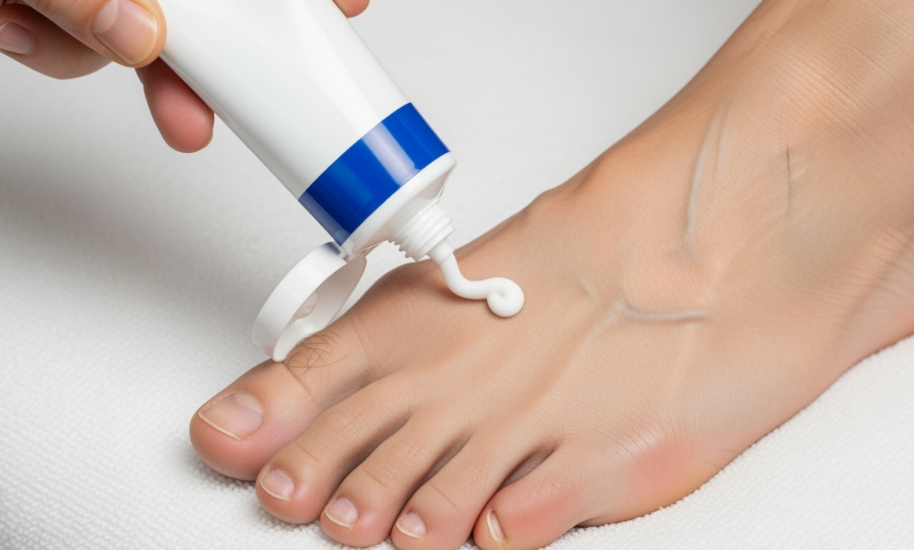
6. Topical Pain Relief Creams
Although creams won’t fix the underlying nerve compression, they can take the edge off the pain. Look for anti-inflammatory ingredients like arnica, menthol, or capsaicin.
7. Stretching and Strengthening Tools
Foot flexibility and strength play a big role in keeping symptoms under control. Stretching straps and resistance bands can help keep your foot muscles balanced and prevent excessive pressure on the neuroma.
8. Lifestyle Products for Home Comfort
At home, you want to keep your feet happy too. Consider:
- Cushioned house slippers with arch support
- Recovery sandals with soft, contoured footbeds
- Anti-fatigue mats if you stand a lot in the kitchen or at a workstation
Finding the Right Mix
There’s no “one-size-fits-all” product for Morton’s neuroma. The best approach is to experiment with different products until you find a combination that works for your feet, your shoes, and your daily life. Start with shoes and insoles—these are the foundation of lasting relief.
Criteria for Choosing the Best Products
When you’re shopping for products to relieve Morton’s neuroma, it’s easy to feel overwhelmed. With so many options—shoes, insoles, pads, creams—how do you know which ones actually work? The truth is, the best products for Morton’s neuroma all share a few key features that focus on reducing pressure, improving comfort, and supporting your foot’s natural shape.
1. Comfort Comes First
If a product feels uncomfortable the moment you try it, it’s probably not going to get better with time. Choose soft, cushioned materials that reduce impact on the ball of your foot. Products designed with shock absorption and gentle padding make a big difference, especially if you walk or stand a lot.
2. Proper Fit and Sizing
For shoes, insoles, and even toe spacers, the right fit is everything. Shoes should have enough room for your toes to spread naturally, and insoles should match your arch type—whether you have flat feet or high arches. Products that are too tight or too loose can actually worsen your symptoms.
3. Targeted Metatarsal Support
Since Morton’s neuroma affects the ball of your foot, products that include metatarsal support are essential. Look for insoles with raised metatarsal pads that gently lift and separate the bones in the forefoot, taking pressure off the nerve.
4. Flexibility vs. Stability
Shoes and insoles should strike a balance between flexibility and stability. You want enough flexibility to allow natural foot movement but enough structure to keep your foot aligned and supported.
5. Breathable, Skin-Friendly Materials
You’ll likely be wearing these products for hours at a time, so breathable materials matter. Look for moisture-wicking fabrics in socks and compression sleeves, and avoid anything that feels irritating against your skin.
Top Brands for Morton’s Neuroma Products
When it comes to foot pain, not all brands are created equal. Some companies specialize in products that are recommended by podiatrists and trusted by people living with Morton’s neuroma. If you’re not sure where to start, these brands have built strong reputations for combining comfort, support, and smart design.
1. New Balance
Why It Stands Out: New Balance is well-known for its wide-fitting shoes and generous toe boxes. Many of their running and walking shoes are designed with cushioning and support that works especially well for people with forefoot pain.
Best Products: Wide-toe athletic shoes, cushioned walking shoes
2. Hoka
Why It Stands Out: Loved by runners and recommended by foot specialists, Hoka shoes feature thick cushioning and rocker soles that reduce pressure on the ball of your foot. Their extra shock absorption makes them ideal if you have to be on your feet all day.
Best Products: Maximum-cushion running and walking shoes
3. Vionic
Why It Stands Out: Vionic combines podiatrist-designed orthotic support with stylish, everyday designs. Their built-in arch support and cushioned footbeds make them a favorite for people with foot conditions like plantar fasciitis—and yes, Morton’s neuroma.
Best Products: Orthotic sandals, supportive flats, walking shoes
4. PowerStep
Why It Stands Out: PowerStep insoles are highly recommended by podiatrists for their combination of firm arch support and targeted metatarsal cushioning. They’re a great choice if you need to turn a regular shoe into a foot-friendly one.
Best Products: Orthotic insoles, metatarsal pads
5. Birkenstock
Why It Stands Out: Birkenstock’s iconic footbeds are shaped to support your arch and spread your toes naturally. Many people with Morton’s neuroma swear by their sandals for casual comfort that doesn’t compromise on support.
Best Products: Cork footbed sandals
6. Dr. Scholl’s
Why It Stands Out: Known for affordable foot care solutions, Dr. Scholl’s offers a wide range of insoles, pads, and cushions designed for forefoot pain. While they may not offer custom-grade support, they’re a budget-friendly option to try first.
Best Products: Gel insoles, metatarsal cushions
Product Reviews (Top Picks)
Every foot is different, so the best products for Morton’s neuroma depend on your lifestyle, activity level, and shoe preferences. That said, here are some of the top-rated options across different product categories—each chosen for its comfort, effectiveness, and user reviews.
Best Overall Shoe: Hoka Bondi 8
Why It Works: The Bondi 8 offers maximum cushioning with a smooth, rolling sole that helps reduce pressure on the forefoot. The roomy toe box is a big win for neuroma sufferers who need extra space.
Ideal For: Daily walking, long shifts on your feet
Best Orthotic Insole: PowerStep Pinnacle Plus
Why It Works: This insole combines firm arch support with a raised metatarsal pad, providing direct relief to the nerve area. It fits easily into most walking shoes and sneakers.
Ideal For: Adding support to regular shoes
Best Metatarsal Pad: Pedag T-Form Metatarsal Pad
Why It Works: This simple leather pad sticks directly inside your shoe, providing a gentle lift to relieve pressure. It’s a discreet, affordable way to add targeted support.
Ideal For: Sandals, flats, or dress shoes without removable insoles
Best Toe Spacer: YogaToes GEMS
Why It Works: These soft gel spacers gently spread your toes apart, reducing crowding that can put pressure on the neuroma. They’re best used for relaxation at home, not inside shoes.
Ideal For: Post-workout recovery or evening foot care
Best Compression Sleeve: FS6 Foot Compression Sleeve
Why It Works: This slim sleeve offers gentle arch support and targeted compression across the forefoot, helping to reduce swelling and discomfort during the day.
Ideal For: Wearing inside sneakers or work shoes
Best Massage Tool: Theraband Foot Roller
Why It Works: This textured roller helps release tight muscles and improve blood flow to your foot. It’s especially helpful after a long day on your feet.
Ideal For: Evening foot relief and daily self-care
Best Topical Cream: Penetrex Pain Relief Cream
Why It Works: With ingredients like arnica and menthol, Penetrex offers fast-acting relief for localized foot pain. While it’s not a cure, it can be a useful tool in your overall pain management plan.
Ideal For: Quick pain relief after standing or walking
Tips for Using Products Effectively
Investing in the best products for Morton’s neuroma is only part of the solution. How you use them—and how consistently you stick with them—makes a huge difference in the relief you feel.
Break in New Products Gradually
Whether you’ve bought new shoes, insoles, or toe spacers, don’t rush to wear them for hours right away. Start with short periods at home, gradually increasing your wear time to give your feet a chance to adjust.
Combine Products for Better Results
One product alone might not solve your pain completely. Many people find the most relief by combining products like:
- Supportive shoes with built-in cushioning
- Insoles with targeted metatarsal support
- Toe spacers to reduce crowding
Think of it as building a complete foot care system, rather than looking for a single magic fix.
Follow Manufacturer Instructions
This might seem obvious, but it’s important. Insoles work best when trimmed properly to fit your shoes. Compression sleeves only help if they’re positioned correctly on your foot. Skipping these details can mean less relief—and more frustration.
Pay Attention to Shoe Rotation
Even if you’ve found the perfect pair of shoes, wearing the same pair every day can lead to uneven wear and reduced support over time. Rotate between 2-3 pairs to keep your feet (and your shoes) healthier.
Reevaluate As Your Symptoms Change
Morton’s neuroma symptoms can evolve—some days the pain is sharper, other days it’s more of a dull ache. Be flexible with your product choices, swapping in extra padding or trying different shoes depending on how your feet feel.
Soft Tip: Many people are surprised by how much daily habits (like posture or walking style) impact foot pain. Pay attention to how you stand, walk, and move throughout the day—it all adds up.
Products to Avoid
Not every product claiming to help Morton’s neuroma actually delivers. In fact, some can make your pain worse, especially if they don’t provide the right kind of support or force your foot into unnatural positions.
Overly Cushioned Flip-Flops
Super soft, unsupportive flip-flops might feel comfortable at first, but they lack the structure your foot needs. Without proper arch support, your foot flattens out, putting even more pressure on the sensitive nerve in your forefoot.
Narrow or Pointed Shoes
Tight shoes—especially those with narrow toe boxes—are one of the leading causes of Morton’s neuroma in the first place. Any product that compresses your toes or forces them into unnatural angles is a no-go.
Generic Insoles Without Metatarsal Support
Not all insoles are created equal. Basic gel inserts may cushion your heel, but they won’t do much for the forefoot pain caused by Morton’s neuroma. Skip any insole that doesn’t specifically mention metatarsal support.
Ultra-High Heels
It’s probably no surprise, but heels higher than 2 inches are rough on your forefoot. High heels force your weight forward, putting maximum pressure right where your neuroma lives. Even if a product claims to “make heels comfortable,” it’s rarely enough for long-term relief.
Aggressive Toe Separators for All-Day Wear
While toe spacers are helpful for stretching and realignment, wearing bulky spacers all day inside your shoes can cause discomfort. They work best for short sessions at home rather than during work or exercise.
Important Note: If a product promises “instant cure” or seems too good to be true, approach with caution. Morton’s neuroma is a complex condition, and real relief usually comes from a combination of smart footwear choices, targeted support, and lifestyle adjustments.
When to Seek Professional Help
Even with the best products for Morton’s neuroma, there are times when home treatment just isn’t enough. Knowing when to get expert help can save you from months—or even years—of unnecessary pain.
Persistent or Worsening Pain
If you’ve been using supportive shoes, insoles, and other products consistently for several weeks and your pain isn’t improving (or is getting worse), it’s time to call a podiatrist. This is especially important if you feel numbness spreading into your toes.
Pain Interfering with Daily Life
Foot pain shouldn’t control your life. If you’re avoiding walks, skipping social events, or changing your routine because of foot pain, professional treatment can help you regain control.
Difficulty Finding Comfortable Shoes
If every pair of shoes feels wrong—too tight, too stiff, or just plain painful—a custom orthotic may be the solution. Podiatrists can design inserts tailored to your foot’s exact shape and pressure points, providing the targeted relief generic products can’t.
Signs of Other Foot Problems
Sometimes what feels like Morton’s neuroma turns out to be something else, like:
- Stress fractures
- Capsulitis (inflammation in toe joints)
- Plantar plate tears
A professional evaluation helps rule out other conditions and ensures you’re getting the right treatment.
Considering Injections or Surgery
For severe or long-standing cases, your doctor might recommend more advanced options, like:
- Corticosteroid injections: To reduce nerve inflammation
- Alcohol sclerosing injections: To shrink the nerve tissue
- Surgery: To remove or decompress the nerve (usually a last resort)
Reassurance Tip: Seeing a podiatrist doesn’t mean surgery is your only option. In fact, most foot specialists prefer to start with conservative treatments—and only move to surgery if nothing else works.
Conclusion
When you’re living with the burning, tingling pain of Morton’s neuroma, the right products can make a life-changing difference. From supportive shoes to specialized insoles and toe spacers, these tools are designed to reduce nerve pressure and help your feet move more comfortably.
That said, there’s no “one-size-fits-all” solution. Finding the best products for Morton’s neuroma is often about experimenting—learning what works for your unique feet, lifestyle, and pain levels. The good news? Many people find lasting relief just by switching to better shoes and adding supportive insoles.
If you’ve been struggling with foot pain, don’t give up. Start with the tips and recommendations shared here, and if you’re still unsure, reach out to a foot specialist for personalized guidance. Your comfort is worth it—and so is your freedom to move pain-free.
FAQs
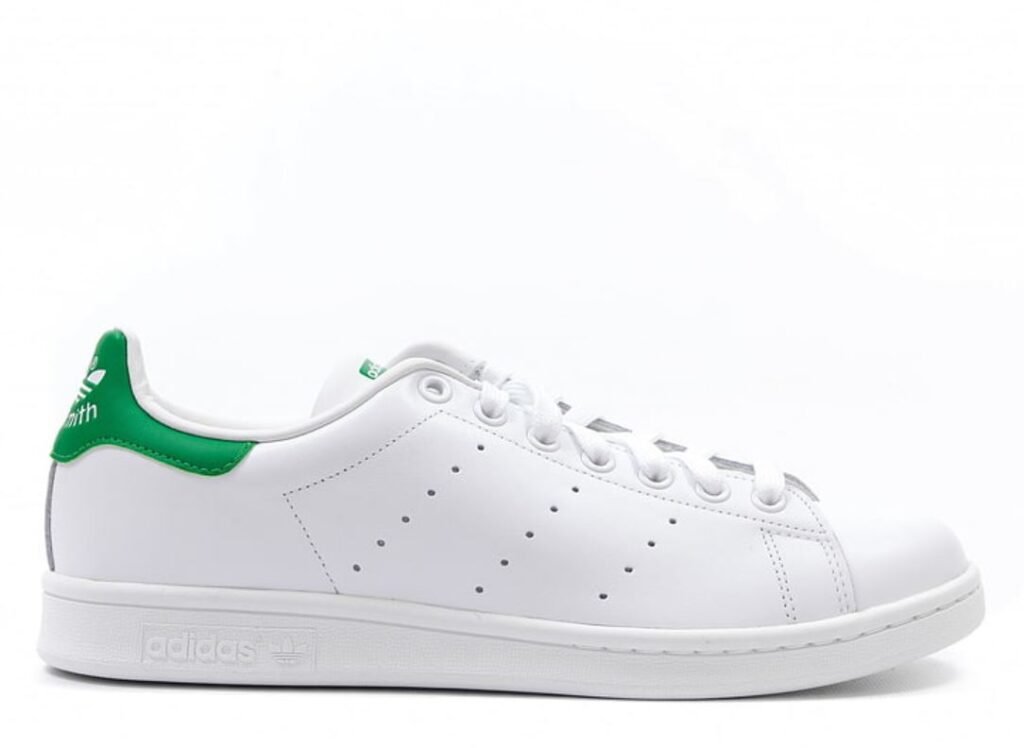
What type of shoes are best for Morton’s neuroma?
The ideal shoes are wide, supportive, and cushioned. Look for:
- Wide toe box: This allows your toes to spread naturally, reducing nerve compression.
- Low heel (under 2 inches): High heels push weight forward, which aggravates the nerve.
- Cushioned insoles: Extra padding under the ball of your foot can ease pressure.
Many brands now make orthopedic or “comfort” shoes designed specifically for foot problems like Morton’s neuroma.
Do I need custom orthotics, or will over-the-counter insoles work?
It depends on your symptoms. If your pain is mild and mostly triggered by tight shoes, high-quality over-the-counter insoles with metatarsal support may be enough. However, if your pain is constant—even in good shoes—custom orthotics, designed by a podiatrist, may offer more targeted relief.
Can I still wear heels if I have Morton’s neuroma?
While it’s best to avoid high heels altogether, you might be able to wear lower heels (under 1.5 inches) for short periods if they have good forefoot cushioning. Adding metatarsal pads inside can also help reduce pressure. However, for long-term foot health, flat or low-heeled shoes are strongly recommended.
Do toe spacers help with Morton’s neuroma?
Toe spacers can help relieve pressure between the toes, especially if your neuroma is linked to crowding or overlapping toes. However, they work best when combined with supportive footwear and insoles, rather than used alone.
How long does it take for products to relieve pain?
Relief timelines vary. Some people feel immediate comfort with proper shoes or insoles, while others need several weeks of consistent use to notice real improvement. Patience matters—your feet need time to adjust, especially if you’ve worn unsupportive shoes for years.
Are there products I should avoid entirely?
Yes. Shoes with narrow toe boxes, thin or hard soles, and high heels should be avoided. Likewise, generic insoles that lack proper metatarsal support often don’t help—and can even make things worse.
What if products don’t work?
If you’ve tried high-quality shoes, insoles, spacers, and other recommended products for several weeks with no improvement, it’s time to consult a podiatrist. Some cases need more advanced treatments like corticosteroid injections, physical therapy, or (in rare cases) surgery.
Recent Posts

Best Products for Morton’s Neuroma: Top Picks for Relief
Best Products for Morton’s Neuroma If you’re living with Morton’s neuroma, you already know how frustrating that burning, tingling pain