
Best Orthotics For Morton's Neuroma
Brief Overview of Morton’s Neuroma
If you’ve ever experienced sharp, burning pain in the ball of your foot, especially between the third and fourth toes, you may be familiar with the discomfort caused by Morton’s Neuroma. This common foot condition is caused by thickening or irritation of the tissue around a nerve, leading to pain, tingling, or even numbness. It can make everyday activities, like walking or standing for long periods, incredibly painful.
Importance of Orthotics for Relief
Orthotics can offer significant relief for those suffering from Morton’s Neuroma by providing support, alleviating pressure, and improving foot alignment. In many cases, orthotics help reduce pain and prevent the condition from worsening. Whether you’re seeking prevention or treatment, using the right orthotic insoles can make a world of difference.
Best Orthotics For Morton's Neuroma | Top 03 Picks
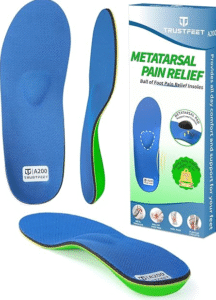
5 Best Orthotics For Morton's Neuroma | Detailed Features
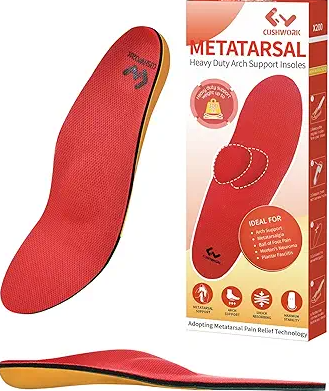
Foot pain can disrupt your daily routine, whether you’re an athlete, a worker on your feet all day, or someone dealing with chronic conditions like Morton’s Neuroma. The Cushwork Metatarsalgia Insoles are designed to provide relief by offering exceptional support and targeted cushioning. These insoles help reduce pressure on the ball of the foot, ensuring a comfortable walking experience while promoting better foot health.
If you’ve struggled with metatarsal pain, excessive foot pressure, or discomfort due to improper arch support, these orthotic insoles can be a game-changer. Their ergonomic design helps in correcting foot alignment, enhancing shock absorption, and preventing long-term strain.
Key Features
1. Targeted Pain Relief for Metatarsalgia & Morton’s Neuroma
Designed specifically for conditions like Metatarsalgia and Morton’s Neuroma, these insoles offer precision cushioning to alleviate forefoot pain. The built-in metatarsal pad ensures proper weight distribution, reducing stress on the sensitive nerves in the ball of the foot.
2. Ergonomic Orthotic Design for Stability
Unlike regular insoles, the Cushwork Metatarsalgia Insoles provide an orthotic structure that improves foot posture and biomechanics. This helps reduce excessive pressure on the metatarsals, promoting a healthier walking pattern and preventing pain from worsening.
3. Heavy-Duty Arch Support for Proper Alignment
Good arch support is essential for reducing overpronation or supination. These insoles maintain the natural arch shape of your foot, offering firm yet comfortable support. Whether you have flat feet or high arches, these inserts help stabilize foot movement.
4. Versatile Fit for Men & Women
Designed to fit a variety of shoe types—from athletic shoes to work boots and casual footwear—these insoles are suitable for both men and women. Their slim yet durable build ensures they integrate seamlessly into most shoes without feeling bulky.
5. Enhanced Comfort & Shock Absorption
Every step becomes easier with the cushioned padding and shock-absorbing materials in these insoles. Whether you’re standing for long hours, running, or walking, they effectively reduce foot fatigue and discomfort while providing superior comfort.
If foot pain has been slowing you down, the Cushwork Metatarsalgia Insoles can help you stay active, pain-free, and comfortable throughout your day.
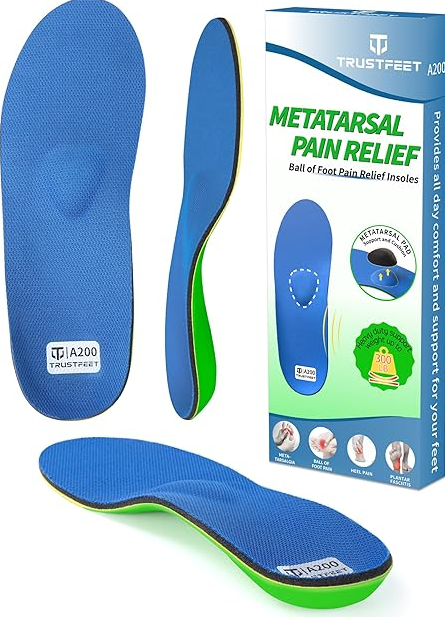
Finding the right insoles can be a game-changer if you suffer from metatarsalgia, Morton’s neuroma, or persistent foot pain. The Heavy Duty Support Metatarsal Pain Relief Insoles are designed to provide exceptional support and cushioning for men and women dealing with discomfort in the ball of the foot. These orthotic shoe inserts aim to alleviate pressure while improving overall foot alignment, making them a great solution for individuals who spend long hours on their feet.
Unlike standard insoles, these inserts are specifically crafted for plantar fasciitis relief, arch support, and metatarsal pain reduction. They offer a shock-absorbing structure that minimizes stress on the foot and enhances comfort in daily activities. Whether you’re an athlete, a professional who stands all day, or someone struggling with chronic foot pain, these insoles help maintain proper foot posture and reduce strain.
Key Features
- Ergonomic Arch & Metatarsal Support
Designed to distribute weight evenly across the foot, these insoles provide targeted relief for metatarsalgia and Morton’s neuroma. The metatarsal pad reduces forefoot pressure, helping ease pain with each step. - Shock-Absorbing Material
The insoles incorporate high-quality shock-absorbing foam that softens impact and minimizes foot fatigue, making them ideal for those who walk or stand for long hours. - Breathable & Moisture-Wicking Fabric
The breathable top layer keeps feet dry and cool, preventing discomfort caused by sweat and odor buildup, making them perfect for all-day wear. - Versatile Fit for Multiple Shoe Types
These insoles are designed to fit a variety of footwear, including sneakers, work boots, and casual shoes, ensuring maximum usability and comfort. - Durable & Long-Lasting Design
Built to withstand daily wear and tear, these insoles retain their shape and effectiveness over time, providing consistent support for extended use.
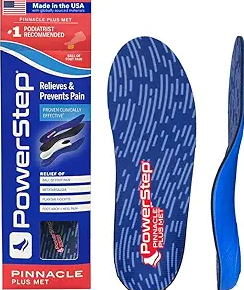
For those experiencing metatarsal pain, arch discomfort, or Morton’s neuroma, the PowerStep Pinnacle Plus Orthotics provide a highly effective solution. These shoe inserts offer structured support with a built-in metatarsal pad to cushion the forefoot while promoting proper alignment.
With their dual-layer cushioning and arch reinforcement, these insoles reduce stress on sensitive areas, making them ideal for both casual and athletic footwear. They are especially beneficial for individuals who suffer from chronic foot pain or those who need extra comfort for daily activities.
Key Features
- Targeted Metatarsal Support
The metatarsal pad alleviates pressure in the ball of the foot, helping with conditions like metatarsalgia and forefoot pain while offering superior comfort. - Firm Yet Comfortable Arch Support
Designed to promote proper foot alignment, these orthotics help reduce overpronation and ease stress on the arches, which is essential for long-term foot health. - Cushioned Dual-Layer Construction
A blend of plush and supportive materials provides a comfortable yet structured fit, helping to absorb impact and prevent foot fatigue. - Anti-Microbial & Moisture-Wicking Cover
The fabric keeps feet dry and odor-free, making these insoles perfect for all-day wear, even in warmer conditions. - Fits Most Shoe Types
Whether you need support in athletic shoes, casual sneakers, or work shoes, these orthotics provide a universal fit without compromising comfort or performance.
These insoles offer a practical and long-lasting solution for anyone struggling with persistent foot pain. By addressing both metatarsalgia and arch discomfort, they ensure that every step is more comfortable and supportive.
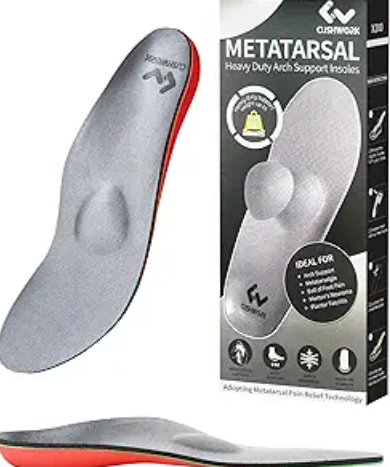
If you suffer from ball of foot pain, Morton’s Neuroma, or metatarsalgia, finding the right support is crucial. The Cushwork Morton’s Neuroma Shoe Inserts are designed to provide targeted relief, helping to reduce pain and discomfort caused by foot conditions. These orthotic insoles offer superior support, aligning your foot’s biomechanics and ensuring a more comfortable walking experience.
Whether you’re an athlete, someone who stands for long hours, or simply looking for better foot support, these insoles can help improve foot health and comfort. Their unisex design makes them a great fit for men and women, easily slipping into various shoe types. With a cushioned and shock-absorbing structure, these insoles work to minimize pressure on the metatarsal area, ensuring all-day relief.
Key Features
1. Targeted Pain Relief for Foot Conditions
Cushwork shoe inserts are specifically designed to alleviate Morton’s Neuroma, metatarsalgia, and ball of foot pain. The metatarsal pad helps distribute pressure evenly across the foot, reducing localized pain and discomfort.
2. Orthotic Design for Proper Foot Alignment
These insoles promote a healthier foot posture by supporting proper biomechanics. By realigning your gait, they help prevent excessive pressure on sensitive areas, reducing strain and preventing further foot issues.
3. Enhanced Arch Support for Stability
Arch support plays a vital role in maintaining the foot’s natural structure. These insoles help reduce overpronation and supination, preventing unnecessary stress on the foot muscles and joints. Whether you’re walking, running, or standing for long hours, the enhanced arch support provides long-term comfort.
4. Unisex and Versatile for Various Shoes
Designed for both men and women, these insoles fit seamlessly into a variety of footwear, including athletic shoes, work boots, and casual shoes. Whether you need extra comfort for daily activities or high-impact sports, these insoles adapt to your lifestyle.
5. Superior Cushioning and Shock Absorption
The cushioned design helps absorb impact, reducing strain on your feet with every step. This feature is especially beneficial for individuals who experience foot fatigue or discomfort from prolonged standing or walking.
Final Thoughts
If you’re looking for effective relief from Morton’s Neuroma, metatarsalgia, and plantar fasciitis, the Cushwork Shoe Inserts offer a well-balanced combination of support, cushioning, and stability. Their orthotic design ensures proper foot alignment, while the shock-absorbing properties minimize pain and discomfort. Try them out and experience improved foot health and comfort today!
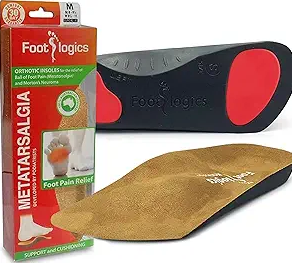
Finding the right insole can be a game-changer for anyone suffering from foot pain. Whether it’s Morton’s neuroma, metatarsalgia, or flat feet, discomfort in the ball of the foot can affect daily activities and overall mobility. The Footlogics 3/4 Length Orthotic Shoe Insoles offer a medically approved solution designed to provide relief and support. Developed by Australian podiatrists, these insoles are crafted with precision to alleviate pain and improve foot alignment.
Their built-in metatarsal raise helps reduce pressure on the ball of the foot, while strong arch support and a deep heel cup ensure stability. Made from lightweight Q-E.V.A. material with shock-absorbing Podflex padding, they provide superior comfort for all-day wear. Whether you’re on your feet for long hours or simply looking for better foot support, these insoles fit most flat or low-heeled shoes effortlessly.
For those struggling with foot pain, the Footlogics Metatarsalgia Insoles offer a proven solution that enhances comfort and mobility.
Key Features
1. Medically Approved Orthotic Support
Designed by podiatrists, these insoles provide exceptional cushioning and support. They help alleviate pain caused by Morton’s neuroma, metatarsalgia, fallen arches, and other foot conditions. Their structured design ensures proper foot alignment and weight distribution.
2. 3/4 Length with Built-in Metatarsal Raise
Unlike full-length insoles, these are 3/4 length, allowing for better fit and flexibility in various types of shoes. The built-in metatarsal raise reduces forefoot pressure, effectively relieving discomfort from prolonged standing or walking.
3. Deep Heel Cup and Strong Arch Support
Stability is key for reducing foot pain. These insoles feature a deep heel cup, which enhances foot positioning and absorbs shock. The firm arch support provides added comfort, making them ideal for those with flat feet or fallen arches.
4. Lightweight and Shock-Absorbing Material
Crafted from high-quality Q-E.V.A., these insoles are lightweight yet highly durable. The Podflex heel and forefoot padding absorb impact, reducing strain on the feet during daily activities. This feature makes them particularly beneficial for individuals who walk or stand for extended periods.
5. Versatile Fit for Multiple Shoe Styles
These insoles are designed to fit flat or low-heeled shoes for both men and women. Whether you prefer loafers, moccasins, or even flat sandals, you can enjoy added support and relief. Their compact size ensures they don’t take up unnecessary space in your footwear.
Final Thoughts
If foot pain has been affecting your daily routine, the Footlogics 3/4 Length Orthotic Shoe Insoles provide a well-designed solution for comfort and support. With medical approval and a thoughtful design, these insoles offer a reliable way to reduce pressure on the ball of the foot and improve overall foot health.
What is Morton’s Neuroma?
Definition and Causes
Morton’s Neuroma is a condition that affects the nerves running between the toes, most commonly between the third and fourth toes. It occurs when the tissue around the nerve thickens, which leads to pressure and irritation. The cause of this thickening can vary, but it often stems from repetitive stress, improper footwear, or abnormalities in foot structure.
Symptoms and Diagnosis
Typical symptoms of Morton’s Neuroma include sharp pain, a feeling of having a pebble in your shoe, or numbness in the toes. The pain may worsen with certain activities, such as walking or standing. To diagnose the condition, a doctor may perform a physical exam, imaging tests (like an MRI or ultrasound), and a detailed patient history.
Risk Factors
Certain factors may increase your chances of developing Morton’s Neuroma. These include wearing tight shoes or high heels, having flat feet or high arches, or participating in activities that put stress on your feet, such as running or high-impact sports. Understanding these risk factors can help you take preventive measures, such as choosing the right footwear or seeking treatment early.
Why Orthotics Are Crucial for Morton’s Neuroma
How Orthotics Relieve Pressure and Pain
Orthotics help relieve pressure on the affected nerve by redistributing the weight more evenly across the foot. Custom or over-the-counter insoles cushion the foot and reduce the force placed on the ball of the foot, easing the pain caused by Morton’s Neuroma. This support can be a game-changer, helping to manage the condition effectively without resorting to surgery.
Benefits of Using Orthotics for Treatment
Using orthotics offers several benefits:
- Pain Relief: Orthotics help reduce pressure, leading to less pain and discomfort.
- Improved Foot Alignment: By supporting proper foot posture, orthotics can reduce strain on the toes and surrounding nerves.
- Prevention of Further Damage: Proper arch support and cushioning prevent further irritation and help avoid the progression of Morton’s Neuroma.
- Enhanced Comfort: With orthotics, everyday activities like walking or standing can be much more comfortable.
When to Consider Orthotics for Morton’s Neuroma
Orthotics can be a great first step in managing Morton’s Neuroma. If you’re dealing with pain or discomfort that doesn’t improve with simple measures like changing shoes or stretching, orthotics may be a solution to consider. You can start with over-the-counter options, but if the pain persists, custom orthotics designed for your foot’s unique shape may be necessary.
Types of Orthotics for Morton’s Neuroma
Custom Orthotics
Custom orthotics are tailored to your specific foot shape, offering the most precise fit and support. Created by podiatrists or foot specialists, they are designed to address your unique foot structure and any biomechanical issues contributing to Morton’s Neuroma. While more expensive, custom orthotics are often the best option for severe or persistent cases, offering the highest level of relief and comfort.
Over-the-Counter (OTC) Orthotics
OTC orthotics are pre-made insoles available at most stores or online, designed to offer general support. While they won’t be as precise as custom options, they can still provide considerable relief, especially for mild to moderate cases of Morton’s Neuroma. They are more affordable and can be a great starting point for many people who want to try orthotics before committing to custom ones.
Prefabricated Orthotics
Prefabricated orthotics are similar to OTC options but typically offer better support. These insoles are made from durable materials and come in a variety of sizes and shapes, offering a middle ground between custom and OTC orthotics. Prefabricated orthotics may be particularly useful if you need more tailored support but don’t require a completely custom-made insole.
Features to Look for in Orthotics for Morton’s Neuroma
Arch Support
A good orthotic for Morton’s Neuroma should provide adequate arch support. This helps distribute pressure more evenly across the foot and alleviates strain on the ball of the foot. Proper arch support can reduce stress on the nerve, which is key in managing pain.
Cushioning and Shock Absorption
Cushioning is essential for reducing the shock and pressure placed on your foot with each step. Look for orthotics with ample cushioning to absorb impact, especially around the ball of the foot where Morton’s Neuroma pain is most concentrated. This will help ease discomfort and promote comfort during daily activities.
Metatarsal Pads and Ball-of-Foot Support
Orthotics that include metatarsal pads or ball-of-foot support can be particularly beneficial for Morton’s Neuroma. These pads are designed to redistribute pressure away from the affected area, helping to prevent further irritation and relieving pain.
Flexible and Lightweight Materials
While support is essential, flexibility and weight are important for long-term comfort. Orthotics made from lightweight, flexible materials will feel more comfortable, especially if you wear them throughout the day. They will also fit more easily into a variety of shoes, adding to their versatility.
Durability and Comfort
Durability is crucial for any orthotic, as they need to withstand daily use. Make sure to choose orthotics made from high-quality materials that will last and continue to provide support over time. Comfort should also be a top priority; your orthotics should feel natural underfoot and not cause irritation or discomfort as you wear them.
How to Use Orthotics for Maximum Effectiveness
Proper Fit and Adjustment
For orthotics to work their best, they must fit properly. Poorly fitting orthotics can worsen pain or cause new problems. Be sure to consult with a professional to ensure the orthotics are adjusted to your foot’s unique shape and size. If you’re using over-the-counter orthotics, look for options with adjustable features to help customize the fit.
Wearing Orthotics with Different Shoes
Orthotics are designed to be worn with various types of footwear, but not all shoes are ideal for orthotic use. Choose the best Morton neuroma shoes that offer ample room and support, such as those with a wide toe box or additional arch support. Avoid tight or restrictive footwear, as this can interfere with the effectiveness of your orthotics.
Tips for Gradually Introducing Orthotics
If you’re new to orthotics, it’s important to introduce them gradually. Start by wearing them for short periods each day and slowly increase the duration. This allows your feet to adjust to the added support without overwhelming them. Pay attention to how your feet feel—if you experience discomfort, give yourself time to adapt or consult with a professional for adjustments.
Other Treatment Options for Morton’s Neuroma
Footwear Modifications
One of the most effective non-invasive treatments for Morton’s Neuroma is modifying your footwear. Shoes with a wide toe box, low heels, and plenty of cushioning can reduce pressure on the affected area. Opting for shoes with arch support and avoiding high heels can help keep your feet comfortable and reduce symptoms of Morton’s Neuroma.
Stretching and Strengthening Exercises
Stretching and strengthening exercises can play a crucial role in relieving pain and preventing the recurrence of Morton’s Neuroma. Stretching exercises targeting the calves and feet can alleviate tightness and pressure. Additionally, strengthening the muscles in your feet can help with proper alignment and reduce the risk of nerve compression.
Medications and Injections
Over-the-counter pain medications such as ibuprofen can help reduce inflammation and alleviate pain. For more severe cases, corticosteroid injections may provide temporary relief by reducing inflammation around the nerve. These treatments can help manage symptoms while you work on long-term solutions like orthotics.
Surgery Options (When Orthotics Aren’t Enough)
If conservative treatments like orthotics and medications fail to relieve symptoms, surgery may be considered. Surgical options for Morton’s Neuroma range from removing the affected tissue to more extensive procedures, depending on the severity of the condition. Surgery is typically a last resort and is usually considered when all other treatment options have been exhausted.
How to Prevent Morton’s Neuroma from Reoccurring
Lifestyle Changes and Foot Care
Preventing Morton’s Neuroma from returning starts with making smart lifestyle choices. Regular foot care, such as keeping your feet clean, moisturized, and checking for signs of irritation, can help. Maintaining a healthy weight and avoiding prolonged standing or walking on hard surfaces can also reduce the strain on your feet.
Choosing the Right Shoes and Orthotics
To prevent Morton’s Neuroma from coming back, choose shoes that provide adequate support, cushioning, and room for your toes. Opt for orthotics that offer arch support and cushioning to reduce pressure on the ball of your foot. Proper footwear is essential not just for managing the condition but also for preventing it from recurring.
Maintaining Proper Foot Health
Taking care of your feet through regular stretching, strengthening, and using orthotics when needed can help prevent Morton’s Neuroma. Regularly check your feet for signs of pain or discomfort and consult a healthcare provider if you notice any problems. Practicing good foot hygiene and care can go a long way in keeping your feet healthy and free from further complications.
Conclusion
Summary of Best Orthotics Options
When it comes to treating Morton’s Neuroma, orthotics can be a game-changer. Custom orthotics offer the most precise relief, while over-the-counter and prefabricated options can provide effective support for milder cases. Look for orthotics with good arch support, cushioning, and metatarsal pads to reduce pressure and relieve pain.
Final Recommendations for Morton’s Neuroma Relief
If you’re dealing with Morton’s Neuroma, consider starting with over-the-counter orthotics and a proper footwear modification. For more severe cases, consult with a podiatrist for custom orthotics. In addition to orthotics, incorporating stretches, strengthening exercises, and other treatments can help improve your symptoms and prevent further discomfort. Be patient and consistent, and soon you’ll find the relief you’ve been looking for.
FAQs
How long does it take for orthotics to relieve pain from Morton’s Neuroma?
The time it takes for orthotics to relieve pain varies from person to person. Many people start to notice improvement within a few days to a few weeks, though some may need longer. Consistent use of orthotics, combined with other treatments, will help achieve the best results.
Can orthotics cure Morton’s Neuroma?
Orthotics are not a cure for Morton’s Neuroma, but they can significantly alleviate symptoms and prevent the condition from worsening. By providing proper support and reducing pressure on the affected nerve, orthotics can help manage pain and improve your quality of life.
How do I know if I need custom orthotics?
Custom orthotics may be necessary if over-the-counter options don’t provide sufficient relief, or if you have a complex foot structure that requires more precise support. If you experience persistent pain or discomfort, it’s a good idea to consult with a podiatrist to determine if custom orthotics would be beneficial.
Recent Posts

Best Orthotics For Morton’s Neuroma
Best Orthotics For Morton’s Neuroma Brief Overview of Morton’s Neuroma If you’ve ever experienced sharp, burning pain in the ball