
Best Natural Treatments for Morton's Neuroma
If you’ve ever felt a sharp, burning pain in the ball of your foot, as if you’re stepping on a pebble, you might be dealing with Morton’s neuroma. This condition, caused by nerve thickening between the toes, can make walking unbearable. Many people struggle to find relief without resorting to invasive treatments like surgery or steroid injections.
The good news? Natural, holistic approaches can effectively manage pain and inflammation while improving foot health. Whether you’re looking for simple lifestyle changes, specialized exercises, or alternative therapies, this guide will help you find gentle, long-term solutions for Morton’s neuroma relief.
Understanding Morton’s Neuroma from a Holistic Perspective
What Causes Morton’s Neuroma?
At its core, Morton’s neuroma is a nerve irritation issue. The main triggers include:
- Tight or narrow footwear that compresses the toes.
- Repetitive stress from activities like running or high-impact sports.
- Foot deformities such as flat feet, bunions, or high arches, altering foot mechanics.
- Inflammation and poor circulation, which can worsen nerve pain over time.
Why a Holistic Approach Works
Most conventional treatments focus on masking the pain. Holistic care, however, addresses the root causes—reducing inflammation, improving foot function, and promoting nerve healing naturally. This involves:
- Foot-friendly habits that reduce pressure on the nerves.
- Nutritional support to lower inflammation.
- Physical therapy and movement practices to restore balance.
- Alternative treatments that encourage natural healing.
By treating the body as a whole, holistic methods can provide lasting relief without unwanted side effects.
Footwear Modifications for Natural Relief
The Wrong Shoes Can Make It Worse
One of the biggest culprits behind Morton’s neuroma is improper footwear. Shoes that are too tight, have high heels, or lack arch support can compress the nerves and worsen symptoms.
Best Shoe Features for Morton’s Neuroma Relief
Switching to the right shoes can make a world of difference. Look for:
- Wide toe box: Allows toes to spread naturally, reducing pressure.
- Low or zero-drop heel: Keeps weight evenly distributed.
- Soft, flexible sole: Reduces impact on the foot.
- Arch support: Helps prevent excessive strain on the nerves.
Are Barefoot Shoes a Good Idea?
Minimalist shoes can be beneficial if transitioned into carefully. Going barefoot strengthens the foot muscles but can be painful if your feet aren’t used to it. Start slowly and listen to your body.
Additional shoes Tips
- Use orthotic inserts for extra cushioning.
- Avoid high heels and pointed shoes altogether.
- Try toe spacers to realign and relieve pressure.
Choosing the right shoes is one of the simplest, most effective ways to reduce Morton’s neuroma pain naturally. Small changes can lead to big relief!
Physical Therapy and Exercises
If you’re dealing with Morton’s neuroma, you might feel like every step is a challenge. The pain, tingling, or burning sensation in your foot can make even simple activities uncomfortable. Fortunately, the right physical therapy and exercises can help relieve pressure on the affected nerve and restore proper foot function.
How Physical Therapy Helps Morton’s Neuroma
Physical therapy focuses on reducing nerve compression, improving foot mechanics, and strengthening supportive muscles. By addressing the root cause of the problem, you can experience long-term relief without invasive treatments.
Best Exercises for Morton’s Neuroma Relief
1. Stretching for Flexibility and Nerve Release
Tight muscles in the feet and calves can add pressure to the nerve, worsening pain. Daily stretching helps release tension and improve mobility.
- Toe Stretch: Sit down and pull your toes back gently for 20 seconds. Repeat 3 times.
- Calf Stretch: Stand facing a wall, step one foot back, and press your heel down to stretch the calf. Hold for 30 seconds.
2. Strengthening for Better Support
Weak foot muscles can lead to excessive pressure on the forefoot. Strengthening exercises improve foot stability.
- Towel Scrunches: Place a towel on the floor and use your toes to scrunch it up.
- Arch Lifts: Stand flat and try lifting the arch of your foot while keeping your toes on the ground.
3. Balance and Mobility Drills
Improving balance helps distribute weight evenly, reducing pressure on the neuroma.
- Single-Leg Stand: Stand on one foot for 30 seconds, switching sides.
- Heel-to-Toe Walking: Walk slowly in a straight line, touching heel to toe.
Additional Tips for Exercise Success
- Perform exercises barefoot for better foot control.
- Be gentle—pain is a sign to stop and adjust.
Combine exercises with massage and footwear changes for maximum relief.
Natural Pain Relief Methods
When Morton’s neuroma flares up, the pain can be intense. Instead of relying on painkillers, you can try natural pain relief methods that reduce inflammation and soothe nerve irritation.
Cooling and Heating Therapies
Alternating between cold and heat can help ease discomfort.
- Ice Therapy: Apply an ice pack wrapped in a cloth for 15 minutes to reduce swelling.
- Warm Foot Soaks: Soak your feet in warm water with Epsom salts to relax tight muscles.
Essential Oils for Pain Relief
Certain essential oils have anti-inflammatory and pain-relieving properties.
- Peppermint oil: Provides a cooling effect that numbs pain.
- Lavender oil: Helps reduce nerve irritation and promotes relaxation.
- Frankincense oil: Supports nerve healing and reduces inflammation.
Mix a few drops with a carrier oil (like coconut oil) and massage it into the affected area.
Massage and Self-Release Techniques
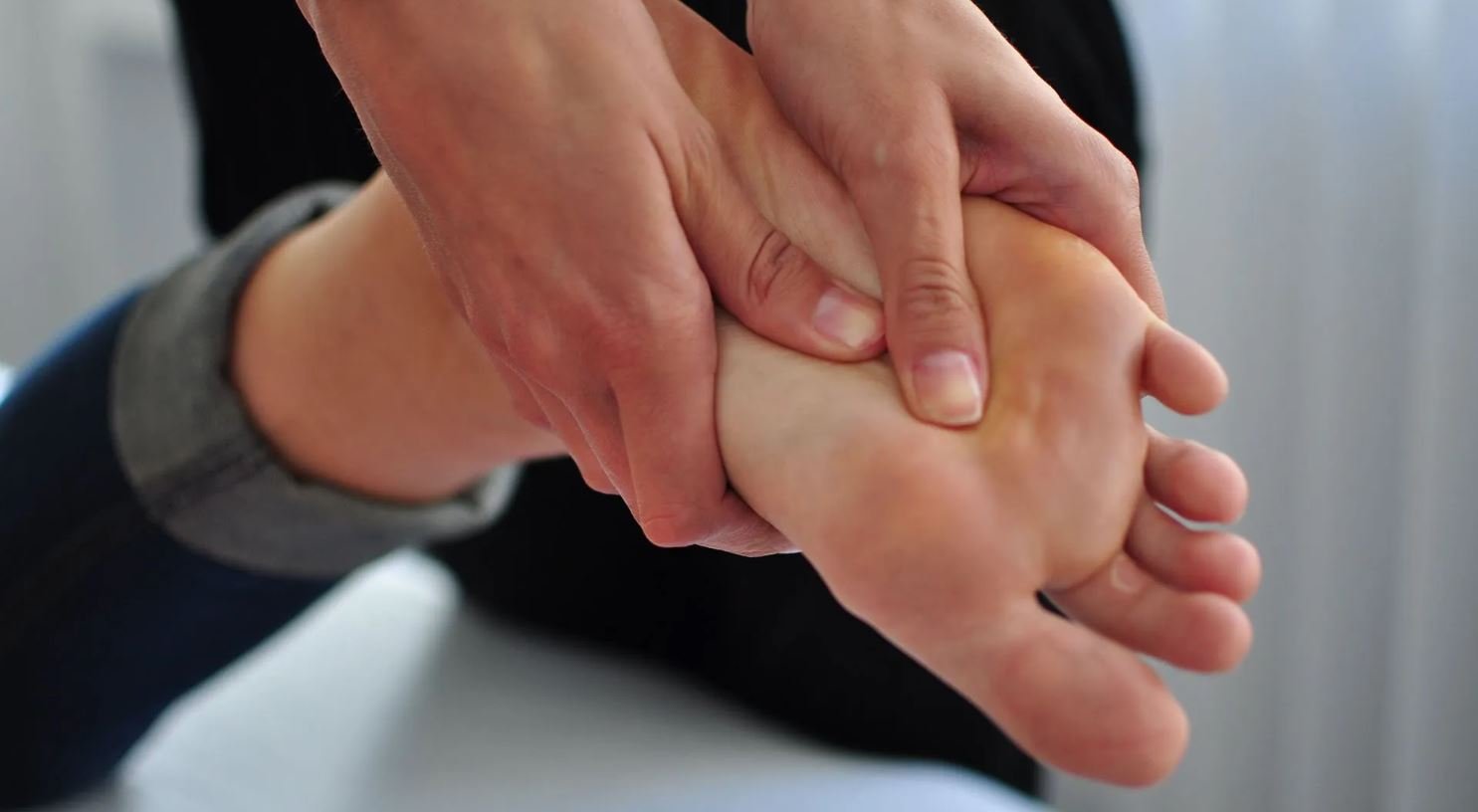
Massaging the foot helps break up adhesions and improves circulation.
- Ball Massage: Roll a tennis ball under your foot for 2-3 minutes to relieve tightness.
- Thumb Press Massage: Use your thumbs to gently press and release tension along the arch and ball of your foot.
Acupressure for Quick Relief
Applying pressure to certain points on your foot can help calm nerve pain. Try pressing between the third and fourth toes (where the neuroma typically develops) for 30 seconds at a time.
Natural pain relief methods work best when combined with proper footwear, stretching, and lifestyle changes for long-lasting results.
Dietary and Nutritional Approaches
What you eat affects your body’s ability to heal. Morton’s neuroma is linked to inflammation and nerve irritation, so focusing on an anti-inflammatory diet can help manage symptoms naturally.
Best Foods for Nerve and Foot Health
Eating nutrient-rich foods can reduce swelling, support nerve repair, and improve circulation.
- Omega-3 Fatty Acids: Found in salmon, flaxseeds, and walnuts, these help lower inflammation.
- Vitamin B12 & B6: Essential for nerve function—get them from eggs, spinach, and chicken.
- Magnesium-Rich Foods: Bananas, almonds, and dark leafy greens help relax muscles and reduce cramping.
- Antioxidant-Rich Fruits: Berries, oranges, and grapes fight inflammation and improve tissue healing.
Foods to Avoid
Certain foods can trigger inflammation and worsen symptoms. Try limiting:
- Processed sugars and refined carbs (white bread, pastries)
- Fried and fast foods
- Excessive caffeine and alcohol
Hydration and Its Role in Recovery
Staying hydrated keeps tissues flexible and flushes out toxins that contribute to inflammation. Aim for at least 8 glasses of water per day and consider adding electrolyte-rich drinks like coconut water.
Supplements That May Help
If you’re not getting enough nutrients from food, supplements can help fill the gaps.
- Turmeric (Curcumin): A powerful anti-inflammatory compound that may ease nerve pain.
- Alpha-Lipoic Acid: Supports nerve function and reduces tingling sensations.
- Collagen Powder: Strengthens connective tissues in the feet.
A well-balanced diet, combined with proper foot care and movement, can be a game-changer for managing Morton’s neuroma naturally.
Alternative Therapies for Morton’s Neuroma
If traditional treatments haven’t provided the relief you need, alternative therapies can be a gentle yet effective way to manage Morton’s neuroma. These therapies focus on improving circulation, reducing inflammation, and promoting overall foot health without medication or surgery.
Acupuncture for Nerve Pain Relief
Acupuncture has been used for centuries to manage chronic pain and inflammation. By targeting specific pressure points in the foot, acupuncture can:
- Improve blood flow to the affected area.
- Reduce nerve sensitivity and pain.
- Encourage natural healing by stimulating the nervous system.
Many people report noticeable relief after just a few sessions. If you’re new to acupuncture, consult a licensed practitioner who has experience treating foot conditions.
Reflexology: Pressure Therapy for Foot Health
Reflexology involves massaging specific points on the foot that correspond to different parts of the body. This technique may help by:
- Relaxing tight foot muscles.
- Enhancing nerve function.
- Reducing swelling and tension in the foot.
A skilled reflexologist can help guide you through self-massage techniques you can do at home.
Chiropractic Adjustments for Foot Alignment
Your posture and spinal alignment play a huge role in foot health. A misaligned spine can create pressure on the feet, worsening Morton’s neuroma symptoms. Chiropractic adjustments can help by:
- Correcting imbalances that put stress on the foot.
- Restoring proper weight distribution while walking.
- Reducing overall nerve compression.
Homeopathy for Nerve Inflammation
Homeopathic remedies like Hypericum (St. John’s Wort) and Arnica may help soothe nerve pain and inflammation naturally. Though research is still limited, many people find these remedies effective when used consistently.
Alternative therapies work best when combined with other holistic treatments, such as proper footwear and physical therapy.
Mind-Body Approaches for Pain Management
Pain isn’t just physical—it’s also deeply connected to stress and mental well-being. Mind-body techniques can help you gain control over nerve pain and discomfort, making daily life more manageable.
Meditation and Deep Breathing for Pain Control
When you’re in pain, stress levels rise, which can make symptoms worse. Mindfulness meditation and deep breathing help by:
- Calming the nervous system, reducing pain perception.
- Lowering inflammation by reducing stress hormones.
- Encouraging a sense of relaxation and healing.
Try deep breathing exercises—inhale for four seconds, hold for four, then exhale for four. Repeat this for five minutes daily.
Yoga for Foot Strength and Flexibility
Yoga is a fantastic way to keep your feet flexible and strong. Certain poses can help:
- Improve foot circulation.
- Strengthen arch support muscles.
- Reduce tightness in the calves and Achilles tendon.
Good poses for Morton’s neuroma include Downward Dog, Toe Stretch, and Seated Forward Fold.
Guided Visualization for Pain Reduction
Many pain management specialists recommend guided imagery, a technique where you visualize healing and relaxation. Studies show that the brain processes pain differently when you actively focus on positive imagery.
- Picture your feet being bathed in warm healing light.
- Imagine the pain melting away with each breath.
- Use positive affirmations like, “My feet are strong and healthy.”
Mind-body techniques take time and consistency, but they can create a powerful shift in how your body responds to pain.
Natural Topical Treatments and Home Remedies
When foot pain strikes, topical treatments can offer quick relief by reducing inflammation and soothing the nerves. Unlike oral medications, natural topical remedies work directly at the source of pain.
Castor Oil Packs for Inflammation
Castor oil is known for its anti-inflammatory and healing properties. A simple castor oil pack can:
- Soothe irritated nerves.
- Improve blood circulation.
- Provide deep tissue relief.
How to use:
- Soak a soft cloth in warm castor oil.
- Wrap it around the affected area and cover with plastic wrap.
- Leave it on for 30-45 minutes.
Apple Cider Vinegar Foot Soak
Apple cider vinegar has anti-inflammatory and detoxifying properties that may help reduce swelling.
How to use:
- Fill a basin with warm water.
- Add ½ cup of apple cider vinegar.
- Soak your feet for 15-20 minutes.
Essential Oil Blends for Pain Relief
Certain essential oils have been used for centuries to ease nerve pain and inflammation.
- Peppermint oil – provides a cooling effect that numbs pain.
- Lavender oil – helps relax muscles and soothe discomfort.
- Eucalyptus oil – reduces swelling and boosts circulation.
Mix a few drops with coconut or olive oil and massage into your foot before bed.
Epsom Salt Baths for Nerve Relaxation
Epsom salts are rich in magnesium, which helps relax tight muscles and calm nerve irritation.
How to use:
- Add ½ cup of Epsom salts to warm water.
- Soak your feet for 20 minutes.
DIY Herbal Compress for Quick Relief
Herbs like ginger and turmeric have powerful anti-inflammatory properties.
How to make it:
- Boil fresh ginger slices or turmeric root in water for 10 minutes.
- Soak a cloth in the warm mixture and apply it to your foot for 15 minutes.
These natural remedies work best when used regularly. Try experimenting with different treatments to find what works best for you!
Lifestyle Adjustments for Long-Term Relief
Managing Morton’s neuroma isn’t just about short-term relief—it’s about making sustainable lifestyle changes that keep the pain from coming back. By adjusting your daily habits, posture, and movement, you can prevent flare-ups and support foot health in the long run.
Prioritize Proper Shoes
Your choice of shoes plays a crucial role in preventing nerve compression. To keep your feet comfortable and pain-free:
- Choose wide-toe box shoes – Narrow shoes put pressure on the nerves, worsening symptoms.
- Opt for cushioned soles – Extra padding absorbs impact and reduces stress on the foot.
- Avoid high heels – They shift weight to the front of the foot, aggravating nerve pain.
Consider minimalist or orthopedic shoes designed for natural foot movement.
Maintain a Healthy Weight
Excess weight puts additional strain on the feet, increasing pressure on the metatarsal bones. Even a small weight reduction can:
- Reduce nerve irritation.
- Improve foot mechanics and posture.
- Decrease overall pain and inflammation.
Pairing a balanced diet with low-impact exercises like walking or swimming can help you maintain a healthy weight while keeping your feet strong.
Be Mindful of Daily Movements
The way you walk, stand, and move can either ease or worsen Morton’s neuroma symptoms.
- Avoid prolonged standing – Take breaks if your job requires standing for long hours.
- Use cushioned mats – If you stand often, soft mats can reduce foot strain.
- Practice proper posture – Keeping your weight evenly distributed prevents excessive pressure on the forefoot.
Making these small, conscious changes can make a big difference in how your feet feel over time.
When to Seek Professional Help
While natural treatments can be effective, there are times when seeking medical advice is the best course of action. If your pain persists despite trying various remedies, it may be time to consult a specialist.
Signs You Should See a Doctor
You might need professional intervention if you experience:
- Sharp, burning pain that worsens even with rest.
- Numbness or tingling in the toes.
- Inability to walk comfortably or bear weight on the foot.
- Symptoms that persist for months despite home treatments.
Ignoring these signs can lead to permanent nerve damage, making early intervention crucial.
Treatment Options Beyond Natural Remedies
If holistic methods aren’t providing relief, a podiatrist may recommend:
- Custom orthotics – Special shoe inserts designed to relieve pressure on the nerve.
- Corticosteroid injections – Reduce inflammation and pain in severe cases.
- Physical therapy – A structured plan to improve foot strength and mobility.
In rare cases where conservative treatments fail, surgery may be considered. However, most people find significant relief through a combination of lifestyle changes and targeted therapies.
Conclusion
Morton’s neuroma can be frustrating, but you don’t have to live with constant foot pain. By making mindful lifestyle adjustments, choosing the right footwear, and exploring holistic treatments, you can take control of your symptoms naturally.
The key is to find a combination of physical therapy, natural pain relief methods, and daily movement habits that work for you. Listen to your body, be patient with the process, and don’t hesitate to seek professional help if needed.
Start making small changes today—your feet will thank you!
Recent Posts

Best Natural Treatments for Morton’s Neuroma: Holistic Approaches
Best Natural Treatments for Morton’s Neuroma If you’ve ever felt a sharp, burning pain in the ball of your foot,