

Best Exercises for Morton's Neuroma
If you’re dealing with persistent foot pain, burning sensations, or a feeling like there’s a pebble stuck in your shoe, you might have Morton’s neuroma. This painful condition affects the ball of the foot, often between the third and fourth toes, making everyday activities like walking or standing uncomfortable.
The good news? Targeted exercises—both stretches and strengthening moves—can help reduce pain, improve mobility, and prevent further aggravation. Instead of relying solely on pain relief methods like orthotics or medication, incorporating the right exercises can offer long-term relief.
In this guide, we’ll walk you through everything you need to know about Morton’s neuroma, how it affects your foot mechanics, and why specific exercises are key to managing the condition effectively.
Understanding Morton’s Neuroma and Foot Mechanics
What Is Morton’s Neuroma?
Morton’s neuroma is a thickening of the tissue around the nerves leading to your toes. This compression leads to irritation, inflammation, and pain. The most common symptoms include:
- A sharp or burning pain in the ball of the foot
- Tingling or numbness in the toes
- The sensation of a lump or foreign object underfoot
How Does It Affect Your Foot Mechanics?
When you walk or stand, your foot distributes weight across different areas. But with Morton’s neuroma, excess pressure builds up in the forefoot, leading to:
- Altered gait – You may shift your weight to avoid pain, causing stress on other areas.
- Foot instability – Weak or tight muscles in the arch, toes, or ankles can worsen the condition.
- Nerve compression – Poor foot mechanics or tight footwear can put constant pressure on the nerve, aggravating symptoms.
Common Causes and Risk Factors
Understanding the root causes can help in preventing and managing Morton’s neuroma:
- Tight footwear – High heels or narrow shoes squeeze the forefoot.
- Repetitive impact – Runners and athletes who engage in high-impact sports are more prone to nerve irritation.
- Flat feet or high arches – Both conditions can contribute to uneven weight distribution, worsening nerve compression.
- Muscle imbalances – Weak foot and calf muscles fail to support proper alignment.
By addressing these factors through targeted exercises, you can restore balance to your foot mechanics and reduce pain over time.
Benefits of Exercise for Morton’s Neuroma
Exercise plays a crucial role in managing Morton’s neuroma. Unlike temporary pain relief solutions, strengthening and stretching exercises help address the root cause of discomfort, leading to long-term improvement.
1. Pain Relief and Reduced Inflammation
Gentle stretching relieves tension in the forefoot, reducing nerve compression and inflammation. When muscles and connective tissues are more flexible, they create space around the irritated nerve, allowing for better circulation and healing.
2. Improved Foot Mobility and Flexibility
Tight muscles in the toes, arch, and calf can worsen Morton’s neuroma symptoms. Regular stretching:
- Increases the range of motion in the foot and ankle
- Reduces stiffness that contributes to nerve compression
- Enhances blood flow, aiding in tissue repair
3. Strengthening the Right Muscles
Weak muscles lead to instability and excessive pressure on the ball of the foot. Strengthening key areas like the intrinsic foot muscles, arch, and lower leg helps:
- Improve shock absorption to reduce stress on the nerves
- Support the foot’s natural arch to prevent excessive strain
- Restore balance and proper gait mechanics
4. Better Weight Distribution and Reduced Pressure on the Forefoot
Many people with Morton’s neuroma develop poor walking habits to avoid pain. Over time, this puts stress on other areas of the foot and ankle. Proper strengthening and balance exercises train your foot to distribute weight evenly, preventing further damage.
5. Long-Term Prevention of Symptoms
By keeping your feet strong and flexible, you can prevent Morton’s neuroma from worsening. Consistent stretching and strengthening exercises ensure that your foot mechanics remain optimal, reducing the likelihood of flare-ups in the future.
Essential Stretches for Morton’s Neuroma
If you have Morton’s neuroma, tightness in the foot and lower leg can make your symptoms worse. Stretching helps by relieving pressure on the irritated nerve, increasing flexibility, and improving circulation. The right stretches can ease discomfort and prevent the pain from getting worse.
1. Toe and Forefoot Stretches
Tight toe muscles contribute to nerve compression. These simple stretches help release tension in the forefoot.
- Toe Extension Stretch – Sit down and cross one foot over your opposite knee. Gently pull your toes backward until you feel a stretch in the ball of your foot. Hold for 20–30 seconds.
- Toe Splay Stretch – Spread your toes apart as far as possible, hold for a few seconds, and repeat. This helps improve mobility and reduce stiffness.
- Big Toe Stretch – Using your hand, pull your big toe upward while keeping the rest of your foot still. This helps relieve tension in the forefoot.
2. Arch and Plantar Fascia Stretches
Your foot’s arch plays a big role in supporting your weight. If the plantar fascia (the tissue running along the bottom of your foot) is tight, it can put more strain on the nerve.
- Plantar Fascia Stretch – Sit with one foot resting on your opposite thigh. Use your fingers to gently stretch your toes back, feeling the stretch along your arch.
- Towel Stretch – Sit with your legs extended and wrap a towel around the ball of your foot. Gently pull the towel toward you to stretch the bottom of your foot.
- Ball Roll Massage – Roll a small ball (like a golf ball) under your foot, applying gentle pressure. This helps release tight tissue in the arch.
3. Ankle and Calf Stretches
Tight calf muscles can increase forefoot pressure, worsening Morton’s neuroma symptoms. Stretching your lower leg helps reduce strain on your foot.
- Gastrocnemius (Calf) Stretch – Stand facing a wall, place your hands on it, and step one foot back. Keep your back leg straight and press your heel into the floor to stretch your calf.
- Soleus Stretch – From the same position as the calf stretch, bend your back knee slightly while keeping your heel down. This stretches a deeper muscle in the calf.
- Achilles Tendon Stretch – Stand with the balls of your feet on a step and let your heels drop downward, feeling a stretch in the back of your ankle.
Strengthening Exercises for Morton’s Neuroma
Strengthening the muscles in your foot, ankle, and lower leg helps reduce pressure on the nerve. These exercises improve stability, support proper arch function, and prevent excessive strain on the forefoot.
1. Toe Strengthening Exercises
Your toes help with balance and weight distribution. Strengthening them can ease nerve compression and improve foot mechanics.
- Toe Curls and Extensions – Place a towel on the floor and scrunch it up using only your toes. Then, extend your toes outward and repeat.
- Towel Scrunch Exercise – Sit barefoot and use your toes to grip and pull a small towel toward you. This strengthens the intrinsic foot muscles.
- Marble Pickup – Place small objects like marbles on the floor and pick them up using your toes. This builds toe control and dexterity.
2. Arch and Foot Intrinsic Muscle Strengthening
Strong foot muscles help maintain a natural arch, reducing excessive strain on the ball of the foot.
- Short Foot Exercise – Sit or stand with your foot flat on the floor. Try to “shorten” your foot by pulling the ball of your foot toward your heel without curling your toes. Hold for a few seconds and release.
- Foot Doming Exercise – Similar to the short foot exercise, but performed in a standing position for more challenge.
- Resistance Band Foot Flexion – Loop a resistance band around your foot and push against it, flexing your foot forward and backward to strengthen the arch-supporting muscles.
3. Ankle and Lower Leg Strengthening
Weak ankles contribute to instability, putting more pressure on the forefoot. Strengthening these muscles helps with overall foot mechanics.
- Heel and Toe Raises – Stand and slowly lift your heels off the ground, then lower them back down. Next, lift your toes off the ground while keeping your heels down.
- Ankle Alphabet Exercise – Sit with your leg extended and use your foot to “write” the alphabet in the air. This improves mobility and control.
- Resistance Band Ankle Movements – Use a resistance band to perform ankle dorsiflexion (pulling your foot toward you) and plantarflexion (pointing your toes away).
Balance and Proprioception Exercises
Your body’s ability to sense movement and maintain balance is called proprioception. Weakness or instability in the foot can increase stress on the nerve, making balance training crucial.
1. Single-Leg Balance
Stand on one foot and hold for 30 seconds. For an extra challenge, try closing your eyes or standing on a soft surface like a yoga mat.
2. BAPS Board Exercise
A Balance and Proprioception System (BAPS) board is a wobble board that helps improve foot stability. Stand on it and shift your weight in different directions to strengthen your foot and ankle muscles.
3. Heel-to-Toe Walk
Walk in a straight line, placing your heel directly in front of your toes with each step. This improves balance, coordination, and foot strength.
Modifications and Precautions
When dealing with Morton’s neuroma, not all exercises will feel comfortable right away. It’s important to modify movements based on your pain level and foot condition. The goal is to strengthen and stretch your foot without worsening irritation.
How to Modify Exercises for Comfort
- Start Slowly – If an exercise causes sharp pain, reduce intensity or range of motion. Gradually increase as your foot adapts.
- Use a Soft Surface – Performing exercises on a yoga mat or carpeted floor can reduce pressure on the forefoot.
- Adjust Repetitions – Instead of pushing through discomfort, do fewer reps and focus on proper form.
- Incorporate Support – Use a chair or wall for balance exercises if standing movements feel unstable.
Signs You Should Stop or Modify an Exercise
Not all discomfort is bad, but it’s important to recognize when an exercise might be aggravating your condition:
- Sharp or shooting pain – Indicates nerve irritation and should not be ignored.
- Increased numbness or tingling – A sign that too much pressure is being placed on the nerve.
- Swelling after exercise – If your foot becomes inflamed, reduce activity and apply ice.
When to Seek Professional Help
If home exercises don’t provide relief or your symptoms worsen, consult a podiatrist or physical therapist. They can assess your foot mechanics and recommend personalized modifications or additional treatments.
Additional Pain Management Strategies
While exercises are a great way to relieve Morton’s neuroma, combining them with other pain management techniques can lead to better results. These strategies can help reduce inflammation, improve comfort, and support overall foot health.
1. Proper Footwear and Orthotics
Wearing the best shoes for morton’s neuroma crucial for relieving pressure on the irritated nerve.
- Choose shoes with a wide toe box to prevent squeezing the forefoot.
- Avoid high heels and opt for low-heeled or cushioned footwear.
- Consider using orthotic inserts to improve arch support and redistribute pressure.
2. Massage and Myofascial Release
Massaging the ball of your foot and arch can help relax tight tissues and improve circulation.
- Use a tennis ball or frozen water bottle to roll under your foot.
- Apply gentle pressure with your thumbs to massage sore areas.
- Try manual stretching techniques to release tension in the toes and forefoot.
3. Ice and Heat Therapy
Alternating between ice and heat can help manage pain and inflammation.
- Ice packs can numb nerve pain and reduce swelling—apply for 10–15 minutes after activity.
- Warm foot soaks improve blood flow and relax tight muscles—use before stretching.
4. Anti-Inflammatory Approaches
Reducing inflammation can help speed up recovery and prevent flare-ups.
- Consider over-the-counter anti-inflammatory medications if recommended by your doctor.
- Maintain a healthy weight to minimize excess stress on your feet.
- Stay hydrated and eat anti-inflammatory foods, such as leafy greens, nuts, and omega-3-rich fish.
Sample Daily Exercise Routine
A structured exercise routine can help you stay consistent while gradually improving foot strength and flexibility. Here’s a simple plan you can follow daily:
Morning Routine (5–10 Minutes)
- Toe Extension Stretch – 30 seconds per foot
- Plantar Fascia Stretch – 30 seconds per foot
- Heel and Toe Raises – 15 reps
Midday Routine (5–10 Minutes)
- Toe Curls and Extensions – 15 reps
- Resistance Band Foot Flexion – 15 reps per foot
- Single-Leg Balance – 30 seconds per foot
Evening Routine (10–15 Minutes)
- Ball Roll Massage – 2 minutes per foot
- Gastrocnemius Stretch – 30 seconds per leg
- Heel-to-Toe Walk – 10 steps forward and back
Additional Tips for Success
- Perform stretches before and after activity to prevent stiffness.
- If standing exercises feel difficult, start seated and progress gradually.
- Track your progress to see which exercises provide the most relief.
Conclusion
Morton’s neuroma can make everyday activities uncomfortable, but with the right exercises and pain management strategies, you can regain comfort and mobility. Stretching helps relieve nerve pressure, strengthening exercises provide better foot support, and balance training improves stability.
By modifying exercises as needed and incorporating additional treatments like proper footwear and massage, you can manage your symptoms effectively.
If your pain persists, don’t hesitate to seek professional advice. Many people find relief with consistent care—so take the first step today and see what works best for you!
Recent Posts
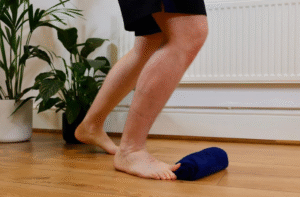

Best Exercises for Morton’s Neuroma: Stretches and Strengthening
Best Exercises for Morton’s Neuroma If you’re dealing with persistent foot pain, burning sensations, or a feeling like there’s a