
Imagine a sharp, burning pain in the ball of your foot every time you walk, run, or even stand too long. That’s what living with Morton’s Neuroma can feel like. It’s a painful nerve condition—often caused by irritation or compression—most commonly between the third and fourth toes. Many people describe it as feeling like there’s a pebble stuck in their shoe or a burning pain that worsens with activity.
If you’re trying to stay active but feel like your feet are holding you back, you’re not alone. Whether you enjoy gym workouts, daily runs, or casual walks, Morton’s Neuroma can turn even light exercise into a painful ordeal.
Why Choosing the Right Workout Shoe Matters
The good news? The right workout shoes can make a world of difference. Choosing supportive footwear designed to reduce pressure on the forefoot helps relieve nerve pain, prevent flare-ups, and support your overall foot health.
Instead of giving up your workout routine, the goal is to work smarter with better shoes, not harder through the pain.
You’re not just shopping for shoes—you’re choosing comfort, relief, and a way to keep moving pain-free.
Best Workout Shoes For Morton's Neuroma | Top 03 Picks
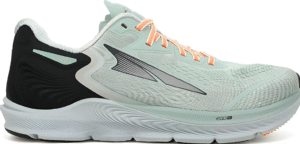
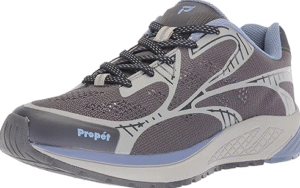
5 Best Workout Shoes For Morton's Neuroma | Detailed Features
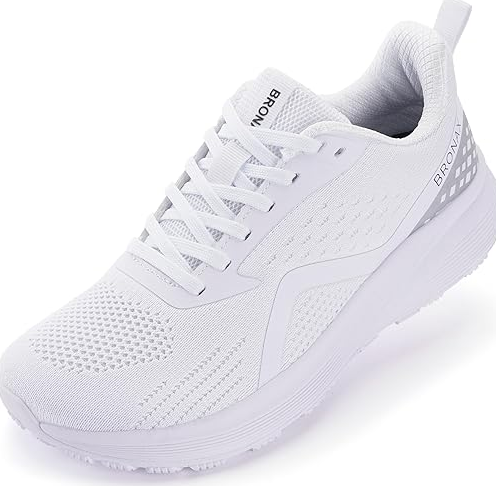
Finding the right wide-toe box running shoes can be challenging, especially when comfort and performance are both priorities. The BRONAX Women’s Wide Toe Box Road Running Shoes offer the perfect solution, combining support, breathability, and flexibility for a smooth and enjoyable walking or running experience.
Designed with a roomy toe box, high-rebound EVA midsole, and a durable rubber outsole, these sneakers ensure optimal support and shock absorption. Whether you’re a runner, an active walker, or someone who needs extra space for foot conditions, these shoes provide the perfect balance of comfort and performance.
Key Features of BRONAX Women’s Wide Toe Box Running Shoes
- Wide Toe Box for Enhanced Comfort
A narrow shoe can cause discomfort, especially if you have wide feet, bunions, or toe splay issues. These shoes feature a spacious toe box, allowing your toes to spread naturally while maintaining a secure heel fit. This design helps reduce pressure points and enhance foot stability, making them ideal for running or long walks.
- High-Rebound EVA Midsole for Shock Absorption
Whether you’re running on pavement or walking for extended periods, impact absorption is crucial. The high-rebound EVA midsole provides excellent cushioning and energy return, reducing stress on your joints. This feature makes the shoes a great choice for daily runners, gym workouts, or all-day wear.
- Durable Rubber Outsole for Superior Traction
A good running shoe needs a grippy and flexible outsole. The durable rubber outsole with deep grooves offers excellent traction on various surfaces, helping you stay stable during quick movements. Whether you’re on a treadmill or an outdoor track, these shoes provide solid grip and flexibility.
- Breathable Mesh Upper for Ventilation
Sweaty and overheated feet can make any activity uncomfortable. The breathable mesh upper keeps your feet cool and dry, even during intense workouts. With printed overlays for additional support, these shoes offer both lightweight structure and foot security.
- Removable Insole for Custom Support
Not all feet are the same, which is why a removable insole is a game-changer. You can replace it with your preferred orthotic for extra arch support or cushioning, making these shoes customizable to your comfort needs.
Why Choose BRONAX Women’s Running Shoes?
These sneakers are designed for active individuals who need extra space, stability, and shock absorption in their footwear. Whether you’re looking for a reliable running shoe, a supportive walking sneaker, or a versatile athletic option, BRONAX delivers all-day comfort.
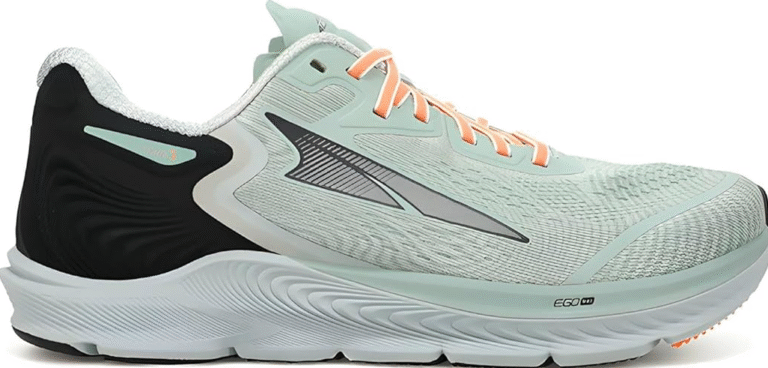
If you’re looking for a blend of comfort, style, and performance, the ALTRA Women’s Low-Top Sneakers could be a great choice. These shoes are designed with a wide toe box and zero-drop sole, offering a natural foot position for better balance and comfort. Whether you need a reliable walking shoe, a lightweight running sneaker, or just an everyday casual option, these sneakers promise a breathable feel with their mesh outer material.
One of the standout features of these sneakers is their cushioning and support, which makes them suitable for both short walks and long hours on your feet. However, some users have noted issues with the tongue design, which may cause discomfort if not broken in properly. Despite this, many find these shoes durable, stylish, and perfect for everyday wear.
Key Features
1. Wide Toe Box for Natural Foot Movement
One of the biggest advantages of these sneakers is the spacious toe box. Unlike traditional shoes that squeeze your toes, these provide ample space for natural toe splay, reducing pressure and discomfort. This feature is especially beneficial for those with wider feet or those who prioritize a more natural walking or running experience.
2. Zero-Drop Sole for Better Posture
The zero-drop design means that the heel and forefoot are at the same height, promoting a natural foot strike. This helps improve posture and alignment, making these shoes ideal for those transitioning to a more minimalist footwear style. It also enhances stability and comfort, particularly for long walks or runs.
3. Breathable Mesh Upper for All-Day Comfort
With a mesh outer material, these sneakers provide excellent breathability, keeping your feet cool and comfortable even on warm days. This makes them a great option for workouts, casual wear, or travel, ensuring that your feet stay fresh throughout the day.
4. Lightweight Yet Supportive Design
Despite their lightweight construction, these shoes offer decent support for daily activities. While they might not have as much arch support as some traditional running shoes, they provide a comfortable, cushioned feel that many users appreciate for everyday wear.
5. Durable Rubber Sole for Traction
The rubber outsole ensures good grip and durability, making these sneakers suitable for a variety of surfaces. Whether you’re walking on pavement, indoors, or on light trails, the non-slip design helps maintain a secure and stable footing.
Final Thoughts
The ALTRA Women’s Low-Top Sneakers are a great choice if you’re looking for a comfortable, minimalist shoe that supports a natural walking experience. They are lightweight, breathable, and stylish, making them a versatile addition to your footwear collection. However, if you need extra arch support or dislike stiff shoe tongues, you may want to consider breaking them in gradually.
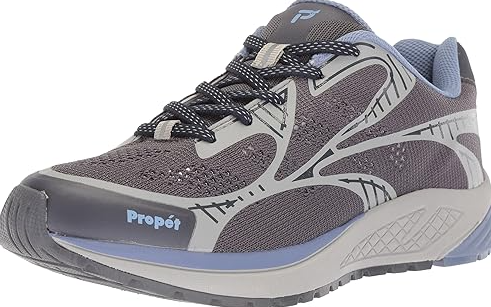
If you’re looking for a comfortable, well-structured athletic shoe with ample support and a lightweight feel, the Propét Women’s One Lt Athletic Shoe is worth considering. Designed with a breathable mesh upper, padded collar, and innovative insole system, this shoe provides comfort for all-day wear. Whether you’re walking, exercising, or simply looking for a reliable everyday sneaker, this model offers excellent support without compromising on style.
One of the standout features is its double insole system, allowing wearers to customize their fit while adding extra cushioning. The antimicrobial properties in the fabric help keep odor at bay, making it a great option for those who wear their shoes for long hours. The light EVA midsole with rubber inserts provides excellent traction while keeping the shoe lightweight.
Many users love this shoe for its roomy toe box and compatibility with orthotics, making it a great choice for those with wider feet or specific foot conditions. The Propét brand is well known for producing comfortable, supportive, and long-lasting footwear, and this model lives up to that reputation.
Key Features of Propét Women’s One Lt Athletic Shoe
1. Double Insole System for Custom Comfort
The EV (Extra Volume) insole system allows you to remove or adjust the insoles for a personalized fit. This feature is particularly helpful for those who need additional cushioning or wear orthotics.
2. Lightweight & Breathable Design
Made from a precision knit seamless mesh upper, this shoe provides excellent airflow to keep your feet cool and comfortable. The padded collar and tongue enhance the overall comfort, preventing irritation or pressure points.
3. Antimicrobial Properties to Prevent Odor
The shoe’s fabric is treated with antimicrobial technology, helping to reduce bacteria buildup and keep your feet fresh throughout the day. This is an essential feature for those who wear their shoes for extended periods.
4. Flexible Yet Supportive Sole
The light EVA midsole absorbs impact efficiently, making it ideal for walking or athletic activities. The rubber inserts enhance traction, ensuring stability on various surfaces without adding extra weight.
5. Wide Toe Box & Orthotic-Friendly Fit
One of the key reasons people love this shoe is its roomy toe box, providing comfort for wide feet and allowing natural toe movement. If you require orthotics, the removable insole system makes it easy to customize your support needs.
Final Verdict
The Propét Women’s One Lt Athletic Shoe is an excellent choice for anyone seeking a comfortable, breathable, and supportive shoe for daily wear. Whether you’re an active walker, someone who needs extra foot support, or simply looking for a stylish yet functional sneaker, this model delivers.
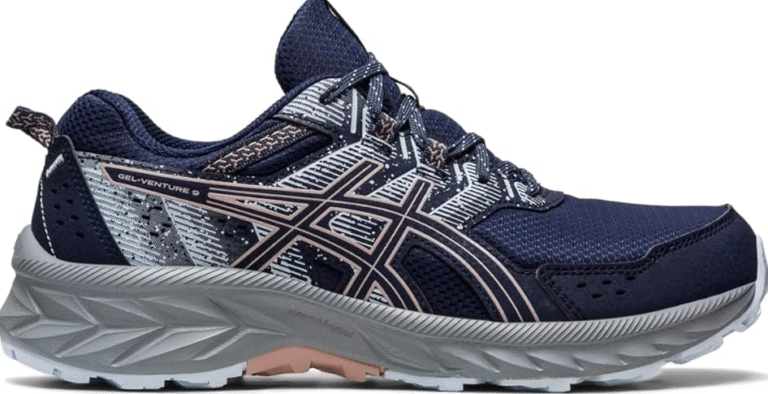
Finding the perfect pair of running shoes is about more than just style—comfort, durability, and support matter the most. Whether you’re an avid runner, a weekend hiker, or someone who spends long hours on their feet, the ASICS Women’s Gel-Venture 9 Running Shoes offer the cushioning, grip, and breathability you need.
Designed with AMPLIFOAM cushioning and rearfoot GEL technology, these shoes provide exceptional shock absorption, reducing impact on your joints during runs or walks. The trail-specific outsole pattern enhances grip, making it suitable for both urban roads and rugged outdoor paths.
If you’re looking for a shoe that transitions seamlessly from trails to city streets while keeping your feet comfortable and supported, the Gel-Venture 9 is a great choice.
Key Features of ASICS Women’s Gel-Venture 9 Running Shoes
1. Rearfoot GEL Technology for Shock Absorption
One of the standout features of the Gel-Venture 9 is the rearfoot GEL technology, which helps absorb impact during foot strike. This means less stress on your heels and ankles, making it ideal for both long-distance running and daily walks.
2. AMPLIFOAM Cushioning for a Soft Underfoot Feel
Comfort is crucial in a running shoe, and ASICS’ AMPLIFOAM cushioning delivers a plush, responsive feel. The higher stack height in the midsole ensures a softer landing, providing extra comfort whether you’re running or standing for long hours.
3. Breathable Mesh Upper for All-Day Comfort
Sweaty, uncomfortable feet can ruin any run or workout. The engineered mesh upper improves airflow, keeping your feet cool and dry even during intense activities. This also allows for a snug yet flexible fit, preventing discomfort caused by tight or rigid materials.
4. Trail-Specific Outsole for Superior Grip
If you switch between different surfaces—pavement, dirt trails, or uneven ground—you need a shoe with excellent traction. The Gel-Venture 9’s trail-specific outsole provides grip and stability, reducing the risk of slips or falls on both smooth and rough terrains.
5. Eco-Friendly Dyeing Process
ASICS is committed to sustainability, and the sockliner of the Gel-Venture 9 is made using a solution dyeing process that reduces water usage by 33% and carbon emissions by 45%. This makes it an eco-conscious choice for runners who care about the environment.
Final Thoughts
The ASICS Women’s Gel-Venture 9 Running Shoes are an excellent choice for women looking for a versatile, comfortable, and durable running shoe. With impact-absorbing GEL technology, lightweight AMPLIFOAM cushioning, and a breathable mesh design, they offer the perfect balance of support and flexibility.
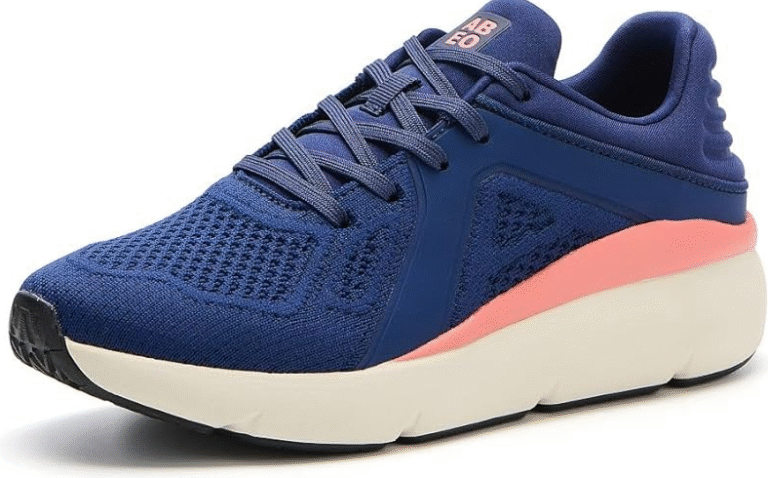
Walking should be pain-free and comfortable, but for many women, foot pain, arch discomfort, and pressure on the ball of the foot can turn every step into a struggle. The ABEO MXV Shift Women’s Walking Shoes are designed to provide relief and support for those dealing with metatarsalgia, plantar fasciitis, and general foot fatigue.
Featuring an exclusive removable orthotic footbed, these shoes provide targeted support and cushioning, making them ideal for individuals with medium to high arches. The deep heel cup and shock-absorbing sole work together to reduce pressure on joints, ensuring stability with every step.
The adjustable lace-up vamp allows for a secure, customized fit, while the spacious toe box prevents unnecessary pressure on toes—perfect for those with bunions or swollen feet. Whether you’re on your feet all day or looking for a reliable walking shoe, the ABEO MXV Shift offers a blend of orthopedic support, stylish design, and long-lasting comfort.
Key Features of ABEO MXV Shift Women’s Walking Shoes
1. Exceptional Arch and Heel Support
Foot pain often starts with improper weight distribution, leading to discomfort in the arches and heels. The built-in metatarsal footbed provides stability and shock absorption, reducing strain on your joints and lower body. This feature is particularly beneficial for those with metatarsalgia or plantar fasciitis, as it helps balance weight and minimize pressure on the forefoot.
2. Exclusive Removable Orthotic Footbed
Unlike standard walking shoes, the ABEO MXV Shift includes a removable orthotic insole designed to provide customized comfort and support. The metatarsal pad helps redistribute weight, relieving pressure from the ball of the foot. This makes it an excellent choice for individuals who require extra cushioning and anatomical alignment for daily activities.
3. Adjustable Fit for All-Day Comfort
Finding the right fit can be a challenge, but the adjustable lace-up vamp ensures a snug yet flexible fit. The spacious toe box offers extra room, preventing discomfort for those with wide feet, bunions, or foot swelling. This makes the shoes ideal for long hours of wear, whether you’re walking, standing, or traveling.
4. Shock-Absorbing Sole for Pain Relief
Walking on hard surfaces can lead to joint pain and fatigue, but the ergonomic cushioned sole helps soften each step. The deep heel cup provides additional stability, ensuring that your feet remain properly aligned, reducing stress on your knees, hips, and lower back.
5. Designed to Help with Common Foot Conditions
If you suffer from foot-related conditions, the ABEO MXV Shift is built with features to help:
- Metatarsalgia Relief – The metatarsal pad redistributes pressure to ease forefoot pain.
- Plantar Fasciitis Support – The arch support and cushioned heel cup reduce impact, helping relieve discomfort.
- Bunion & Neuroma-Friendly – The spacious toe box minimizes pressure, making it a great choice for sensitive feet.
Final Thoughts
The ABEO MXV Shift Women’s Walking Shoes are more than just footwear—they’re a solution for foot pain and discomfort. Designed for long-lasting support, superior cushioning, and a customized fit, these shoes are ideal for anyone looking for comfortable, orthopedic walking shoes that support healthy foot movement.
Understanding Morton’s Neuroma
Causes and Symptoms
Morton’s Neuroma is often caused by repetitive stress on the foot, especially from tight or ill-fitting shoes. High-impact sports, prolonged walking or standing, and biomechanical issues like flat feet can also contribute.
- A sharp or burning pain in the ball of your foot
- Tingling or numbness in the toes
- The sensation of standing on a fold in your sock
This condition tends to worsen over time if not managed properly—especially during workouts.
How It Affects Physical Activity
When you’re dealing with Morton’s Neuroma, exercises that involve jumping, running, or even walking can aggravate the condition. The forefoot becomes a trigger zone, and each step can feel like a jab to your nerves. As a result, you may unconsciously alter your gait, which can lead to pain in your knees, hips, or back.
It’s not just about foot pain anymore—it’s about how your entire body reacts to that discomfort.
Common Challenges During Workouts
Here are a few things you might be struggling with:
- Pain or numbness after short periods of activity
- Difficulty finding shoes that don’t squeeze your toes
- Avoiding high-impact exercises out of fear of triggering pain
- Feeling discouraged or limited in your fitness goals
If any of this sounds familiar, you’re already doing the hard part—listening to your body. Now it’s time to support it properly, starting with what you wear on your feet.
Key Features to Look for in Workout Shoes
Let’s be clear—not all workout shoes are created equal, especially when you’re dealing with Morton’s Neuroma. Here’s what to prioritize to avoid pain and protect your feet.
Wide Toe Box
A cramped toe area puts direct pressure on the nerve. A wide toe box gives your toes space to spread naturally, reducing compression and allowing better blood flow.
Look for: rounded fronts, extra room near the forefoot, and brands known for comfort fits.
Cushioning and Shock Absorption
Every step you take sends force through your feet. With Morton’s Neuroma, you need shoes that cushion the impact—especially in the forefoot area.
Best choices: shoes with gel or foam midsoles that absorb shock without feeling bulky.
Arch Support
Lack of arch support can cause uneven pressure across the foot, which worsens neuroma symptoms.
Good arch support keeps your feet properly aligned and distributes weight more evenly during movement.
Heel-to-Toe Drop
This refers to the height difference between the heel and toe in your shoe. A moderate drop (around 6-10mm) can shift pressure slightly away from the forefoot—often offering relief.
Avoid extreme minimalist shoes with zero-drop unless advised by a professional.
Breathability
Overheating and moisture build-up can worsen irritation. Shoes with breathable mesh uppers help keep your feet cool and dry during intense workouts.
Lightweight Design
Heavy shoes can change your stride and add unnecessary strain. A lightweight pair helps you move more freely while reducing foot fatigue.
Flexibility
Too-stiff shoes can increase tension in the foot. You want flexibility in the sole—especially at the ball of the foot—without sacrificing support. This ensures natural movement while keeping your foot stable.
Orthotic Compatibility
If you use custom or over-the-counter orthotics, make sure the shoes have removable insoles and enough depth to accommodate them without crowding your foot.
Many people find combining supportive shoes with orthotics incredibly helpful—test different combinations to find your best fit.
What to Look for in Dress Shoes for Morton’s Neuroma
Proper Arch Support
One of the key factors in choosing dress shoes for Morton’s Neuroma is ensuring the shoes provide proper arch support. Without it, the foot’s natural alignment can be disrupted, leading to more stress on the affected nerve. Look for shoes with built-in arch support or consider adding custom orthotic insoles.
Wide Toe Box
A wide toe box is essential for people with Morton’s Neuroma. Narrow shoes force the toes together, exacerbating the condition. Shoes with a wider toe box allow your toes to spread naturally, relieving pressure on the nerve. This simple feature can make a huge difference in comfort.
Cushioned Insole
Comfort is critical, and a cushioned insole can make all the difference. A good insole will provide shock absorption, reducing the impact on your feet while walking. This can relieve pain and prevent the condition from worsening over time.
Low to Moderate Heel Height
While you may still want to wear dress shoes with a heel, it’s best to opt for low to moderate heel heights. High heels can increase the pressure on the ball of the foot, exacerbating symptoms of Morton’s Neuroma. A heel height of 1-2 inches is typically the most comfortable for those with this condition.
Shock Absorption
Shoes with excellent shock absorption help reduce the jarring impact when your foot hits the ground. This is especially important for managing Morton’s Neuroma, as excessive impact can worsen the pain. Look for shoes with built-in cushioning or shock-absorbing soles that can help minimize stress on the affected area.
Lightweight Design
Heavier shoes can add unnecessary pressure on your feet, causing discomfort. Opting for lightweight dress shoes ensures less strain and fatigue throughout the day. Shoes made from breathable, lightweight materials can provide comfort without compromising on style.
Flexible Sole
A flexible sole helps your foot move naturally, providing more comfort and reducing strain. Stiff soles can make your steps harder, which can be painful for someone with Morton’s Neuroma. Look for dress shoes that offer flexibility in the sole, allowing for a more natural gait.
Adjustable Fit (Laces, Velcro, Buckles)
An adjustable fit is key to ensuring that your dress shoes remain comfortable throughout the day. Laces, Velcro straps, or buckles allow you to customize the fit to your foot’s shape and size. This flexibility helps accommodate any swelling or discomfort that may arise due to Morton’s Neuroma.
By focusing on these essential features, you can find the perfect pair of dress shoes that alleviate the symptoms of Morton’s Neuroma while still looking professional and stylish. With the right shoes, you don’t have to choose between comfort and appearance—you can have both!
Types of Workout Shoes Suitable for Morton’s Neuroma
Running Shoes
If you’re a runner, you know that the repetitive nature of running can put a strain on your feet. For those with Morton’s Neuroma, it’s vital to choose running shoes that offer extra cushioning and a wide toe box. Look for shoes that feature shock-absorbing midsoles and arch support to prevent pressure on the nerve. Brands like Asics, Brooks, and New Balance offer excellent running shoes specifically designed to handle impact without aggravating foot pain.
Key Features for Runners with Morton’s Neuroma:
- Extra forefoot padding
- Lightweight design for long-distance comfort
- Moderate heel-to-toe drop
Cross-Training Shoes
Cross-training shoes are versatile and designed to handle various types of movements, such as jumping, lateral movements, and lifting. However, if you have Morton’s Neuroma, you need cross-trainers that prioritize stability and forefoot cushioning without being too tight around the toes. Look for shoes that offer a stable base and flexible soles for comfort during lateral movements.
Key Features for Cross-Training Shoes:
- Wide toe box
- Good arch support
- Stiff sole for stability during heavy lifts
Walking Shoes
Walking shoes are a go-to choice for those who enjoy low-impact exercise, and they can be a fantastic option for individuals with Morton’s Neuroma. A walking shoe with extra cushioning and a soft heel-to-toe transition can reduce nerve irritation. Brands like Skechers and Saucony make walking shoes with memory foam insoles and ample toe space to relieve pressure.
Key Features for Walking Shoes:
- Soft, flexible soles
- Soft cushioning in the forefoot
- Breathable uppers
Weightlifting Shoes
When it comes to weightlifting, foot stability is crucial. However, individuals with Morton’s Neuroma should seek shoes that still offer comfort in the toe box and forefoot area. Weightlifting shoes with a rigid sole provide stability, but be mindful of the fit to avoid pinching. Some brands offer weightlifting shoes with removable insoles, allowing you to add your own orthotics for extra cushioning.
Key Features for Weightlifting Shoes:
- Stiff sole for optimal stability
- Removable insoles for orthotics
- Solid, flat base
Minimalist Shoes (and Why They Might Not Be Ideal)
Minimalist shoes, designed to mimic barefoot movement, may not be the best option for people with Morton’s Neuroma. These shoes typically lack the cushioning and support needed to protect the foot from impact, which can exacerbate pain. While minimalist shoes can improve foot strength, they may place additional pressure on an already irritated nerve. If you’re considering minimalist shoes, consult with a podiatrist first.
Why They Might Not Be Ideal:
- Lack of forefoot cushioning
- Increased pressure on the nerve
- Minimal arch support
Brand Comparison
Best Brands for Foot Health
When it comes to Morton’s Neuroma, not all brands offer the same level of support. Some companies are known for their commitment to foot health and produce shoes specifically designed to alleviate pain and discomfort.
Top Brands for Morton’s Neuroma:
- Asics: Known for cushioned running shoes with a spacious toe box and excellent arch support.
- Brooks: Offers running and walking shoes with soft midsole cushioning and ample toe space.
- Saucony: Features running shoes with a flexible design and shock-absorbing technology.
- New Balance: Popular for shoes with extra cushioning and orthopedic-friendly features.
- Orthofeet: Specializes in orthotic-friendly shoes designed to relieve foot pain.
Price vs. Comfort – What Matters More?
It’s easy to assume that more expensive shoes are always better, but comfort should be your priority, not price. You might find that mid-range shoes from trusted brands, like Brooks or Asics, provide the right balance of comfort and support for Morton’s Neuroma without breaking the bank. Don’t forget that the right fit is more important than the price tag—shoes that offer adequate support and are designed for your foot type will ultimately prevent pain and improve performance.
Expert and Podiatrist Recommendations
What Doctors Say About Footwear for Morton’s Neuroma
Podiatrists often recommend shoes with ample cushioning, a wide toe box, and arch support to alleviate the symptoms of Morton’s Neuroma. The goal is to reduce nerve compression and provide support to the foot’s natural arch. Additionally, they may suggest using orthotic insoles to relieve pressure on the affected area.
Common Doctor Recommendations:
- Look for shoes with a wide forefoot to prevent nerve compression
- Avoid high heels and shoes that place pressure on the ball of the foot
- Regularly consult with a podiatrist if the pain persists
Are Custom Orthotics Better Than Built-in Support?
Custom orthotics can be extremely beneficial if you have Morton’s Neuroma and want tailored support. They are designed to fit your feet perfectly, redistributing pressure from the ball of your foot. Built-in orthotics found in many shoes are a good alternative but might not provide the same level of customization. If you find that off-the-shelf shoes with built-in support aren’t enough, investing in custom orthotics might be the next step.
Pros of Custom Orthotics:
- Tailored to your unique foot shape
- Provides superior arch support and cushioning
- Can be transferred between different shoes
Shoe Fit and Sizing Tips
How to Choose the Right Size
Choosing the right shoe size is crucial when you have Morton’s Neuroma. Ill-fitting shoes can add unnecessary pressure on the ball of your foot and aggravate nerve pain. Here’s how to ensure a perfect fit:
- Measure your feet regularly: Feet can change size over time, so make sure to measure both feet. The larger foot is typically the one you should focus on when selecting a size.
- Consider the width: A shoe that is too narrow will pinch your toes and worsen the pain. Look for shoes labeled as “wide” or “extra-wide” for a more comfortable fit.
- Leave room in the toe box: Aim for about half an inch of space between your longest toe and the shoe’s end. This will prevent compression of the toes and help avoid irritation.
Tips for Trying Shoes In-Store vs. Online
Shopping for shoes in-store gives you the chance to try them on and get a feel for the fit. Here’s what you should do when trying shoes in person:
- Try them on in the afternoon: Feet tend to swell throughout the day, so try shoes in the afternoon when your feet are at their largest.
- Wear your orthotics: If you use custom insoles or orthotics, bring them along to try the shoes with them.
- Walk around: Don’t just stand still. Walk, jog, or even do some light movements to see how they feel during active use.
When shopping online, make sure the store offers easy returns. Check for detailed sizing guides and read reviews from others with Morton’s Neuroma to understand how the shoes fit.
Breaking in New Workout Shoes
Breaking in new workout shoes is a gradual process, especially when you have foot issues like Morton’s Neuroma. Here’s how to do it without causing discomfort:
- Wear them in short bursts: Start by wearing your new shoes for 30-60 minutes at a time and gradually increase wear time.
- Use them for non-strenuous activities: If you’re starting with running shoes, use them for walking or light exercises before jumping into intense workouts.
- Pay attention to hot spots: If you feel any irritation or discomfort, stop and adjust the shoes or try adding a different insole for extra cushioning.
Accessories That Help
Shoe Inserts and Cushions
Shoe inserts and cushions are a great way to enhance the comfort of your workout shoes, especially if they don’t come with enough padding or support for Morton’s Neuroma. Look for inserts designed to provide extra cushioning in the forefoot and arch support.
Best Types of Inserts and Cushions:
- Gel inserts: Offer superior shock absorption and cushioning in the forefoot.
- Orthotic insoles: Provide tailored support to your specific foot structure and alignment.
- Foam pads: Relieve pressure and cushion the ball of the foot to reduce pain.
Toe Spacers
Toe spacers are designed to separate the toes and reduce friction or compression caused by tightly packed footwear. These can be particularly helpful for Morton’s Neuroma, as they reduce pressure on the affected nerve.
Benefits of Toe Spacers:
- Reduce nerve irritation between the toes
- Improve toe alignment and overall foot posture
- Can be worn inside shoes or during rest time
Compression Socks
Compression socks are another accessory that can improve circulation and reduce foot swelling, which is common in people with Morton’s Neuroma. They apply gentle pressure to the foot and ankle, enhancing blood flow and reducing inflammation.
Benefits of Compression Socks:
- Supportive pressure to alleviate nerve pain
- Reduce swelling after workouts
- Help with recovery and improve overall foot comfort
Workout Tips for People with Morton’s Neuroma
Exercises to Avoid
While staying active is important, some exercises can aggravate Morton’s Neuroma. High-impact or toe-flexing exercises can worsen symptoms. Avoid activities like:
- Running on hard surfaces: The repetitive pounding increases pressure on the forefoot.
- Jumping or plyometric exercises: These exercises put strain on the forefoot and can worsen pain.
- Heavy squats or lunges: If done improperly, these exercises can put unnecessary pressure on the toes.
Instead, focus on workouts that are gentler on your feet.
Low-Impact Alternatives
You don’t have to give up your fitness goals just because of Morton’s Neuroma. Low-impact exercises can be just as effective while minimizing foot pain. Consider these alternatives:
- Swimming: Provides full-body exercise without putting stress on your feet.
- Cycling: A great cardiovascular workout that’s easy on the feet.
- Elliptical training: Offers a low-impact way to work your legs and improve endurance.
- Yoga or Pilates: Focuses on flexibility and strength while being gentle on your feet.
Stretching and Strengthening the Foot
Incorporating foot stretches and strengthening exercises into your routine can help alleviate discomfort and improve foot health over time. Here are some exercises to try:
- Toe stretches: Sit down, extend your legs, and gently pull your toes back towards your shin to stretch the tops of your feet.
- Arch stretches: Place a towel under your toes while sitting, and gently pull to stretch the arch of your foot.
- Foot strengthening exercises: Practice picking up small objects with your toes to strengthen the muscles of the foot.
Regular stretching and strengthening can help improve mobility, reduce pain, and prevent future flare-ups of Morton’s Neuroma.
FAQs
Can I wear heels with Morton’s Neuroma?
While high heels are generally not recommended for those with Morton’s Neuroma, some low-heeled shoes may be acceptable if they provide proper arch support and a wide toe box. It’s best to limit heel height to 1-2 inches and ensure the shoes have ample cushioning to avoid exacerbating the condition.
Are zero-drop shoes good for Morton’s Neuroma?
Zero-drop shoes (shoes with no height difference between the heel and toe) may work for some individuals, but they might not be suitable for everyone with Morton’s Neuroma. The lack of cushioning or arch support could lead to increased pressure on the affected area. It’s important to choose shoes that provide adequate support and cushioning, even if they have a zero-drop design.
Are barefoot shoes recommended?
Barefoot shoes, which mimic walking without shoes, may not provide enough support for those with Morton’s Neuroma. While they can help strengthen foot muscles, they may increase pressure on the toes, worsening the condition. If you prefer barefoot-style shoes, choose options with extra padding and a wider toe box to help relieve discomfort.
Can Morton’s Neuroma go away with proper shoes?
Proper footwear can significantly improve the symptoms of Morton’s Neuroma and even prevent the condition from worsening. However, Morton’s Neuroma doesn’t typically “go away” completely with just shoes. While the right shoes can alleviate pain and discomfort, you may need additional treatments like custom insoles, physical therapy, or injections to fully manage the condition.
Lorem ipsum dolor sit amet, consectetur adipiscing elit. Ut elit tellus, luctus nec ullamcorper mattis, pulvinar dapibus leo.
Recent Posts

Best Workout Shoes for Morton’s Neuroma
What Is Morton’s Neuroma? Imagine a sharp, burning pain in the ball of your foot every time you walk, run,