
Best Ways to Decrease Symptoms of Morton's Neuroma
If you’ve ever felt like there’s a pebble stuck under the ball of your foot—especially when you walk—it could be more than just an uncomfortable shoe. That sharp, burning pain might be a sign of Morton’s neuroma, a common foot condition caused by a thickened nerve between your toes.
For many people, the symptoms start small—maybe a tingling sensation or occasional discomfort. But without proper care, that irritation can quickly turn into severe pain, making everyday activities like walking, exercising, or even standing unbearable.
The good news? You can take control. In this guide, we’ll explore the best ways to decrease symptoms of Morton’s neuroma, from quick at-home fixes to longer-term strategies that support lasting relief. Whether you’re newly diagnosed or have been dealing with foot pain for a while, this post is packed with actionable tips to help you move comfortably again.
Understanding Morton’s Neuroma Symptoms
What Exactly is Morton’s Neuroma?
Morton’s neuroma happens when the nerve running between the third and fourth toes becomes compressed and irritated. Over time, this pressure causes the nerve to thicken, triggering pain and discomfort in the ball of the foot.
Common Symptoms You Might Notice
Symptoms can vary, but most people describe:
- A sharp, burning pain in the ball of the foot.
- Tingling or numbness between the toes.
- Feeling like you’re walking on a small pebble or fold in your sock.
- Pain that gets worse with tight shoes or high heels.
How Symptoms Evolve Over Time
At first, symptoms might only appear after a long day on your feet. But if left untreated, they can become constant—even when you’re sitting or resting. Catching Morton’s neuroma early gives you the best chance to manage it without surgery.
Immediate Relief Techniques
When your foot hurts, you want relief fast. The good news? There are simple, effective steps you can take right now to calm Morton’s neuroma symptoms.
Rest and Modify Your Activities
If your foot is flaring up, pause high-impact activities like running or jumping. Give your foot time to recover, especially after long periods of standing or walking.
Footwear Adjustments That Matter
Shoes make a huge difference for neuroma pain. Swap narrow, pointy shoes for styles with a wide toe box that gives your toes space to spread naturally. Low-heeled shoes (or flats with arch support) are often the most comfortable.
Orthotic Inserts and Padding
Metatarsal pads, which sit just behind the ball of your foot, can help shift weight away from the painful area. Many podiatrists recommend custom orthotics for more severe cases, but over-the-counter inserts can also offer quick relief.
Try Toe Spacers
Toe spacers, often used in yoga or physical therapy, help separate the toes and reduce nerve compression. They’re a simple, low-cost tool you can slip into your shoe or use during rest.
Home Remedies and Self-Care
Beyond immediate relief, there are several home remedies that can ease symptoms over time. Consistency is key here—the more regularly you care for your feet, the better your chances of managing pain long-term.
Ice Therapy for Flare-Ups
Icing your foot for 10-15 minutes can help reduce inflammation, especially after long days on your feet. Use a cold pack wrapped in a towel and apply it directly to the ball of your foot.
Massage Techniques to Loosen Tension
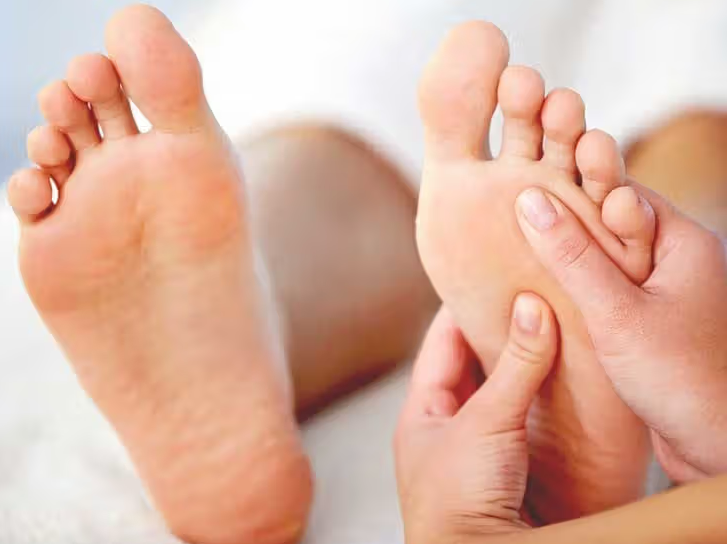
Gently massaging the ball of your foot and between your toes helps release tightness and improves blood flow. You can use your hands or try a foot roller for deeper pressure.
Stretching for Flexibility
Foot and calf stretches help relieve tension that could be contributing to nerve compression. Simple exercises like toe stretches, calf stretches, and picking up a towel with your toes can all improve flexibility.
Strengthen Your Foot Muscles
Stronger feet handle stress better. Try exercises like:
- Toe scrunches (grabbing a towel with your toes)
- Heel raises (lifting onto your toes)
- Arch lifts (engaging the muscles that support your arch)
Long-Term Foot Care Habits
Even after your symptoms improve, regular foot care helps keep Morton’s neuroma from coming back. Pay attention to shoe choice, stretch daily, and avoid repetitive strain whenever possible.
Lifestyle Changes for Symptom Management
When it comes to managing Morton’s neuroma, small lifestyle adjustments can make a big difference. The way you move, the shoes you wear, and even your weight all impact your symptoms. Let’s explore the changes that could help reduce your foot pain.
Manage Your Weight to Ease Foot Pressure
Every extra pound you carry puts more pressure on the ball of your foot, right where Morton’s neuroma strikes. Studies show that reducing body weight can significantly lower foot pain in people with conditions like plantar fasciitis—and the same applies here (Source: American Podiatric Medical Association). If weight has crept up, gradual weight loss through balanced eating and low-impact exercise can help.
Rethink Your Shoe Collection
Your shoes can either ease your pain or make it far worse. High heels, narrow dress shoes, and rigid soles are common culprits behind nerve compression. Instead, choose footwear that offers:
- A wide toe box to give your toes room to spread naturally.
- Good arch support to prevent excess foot strain.
- Cushioning under the ball of your foot for extra shock absorption.
This change alone can bring noticeable relief, especially if you’re on your feet a lot.
Swap High-Impact Workouts for Low-Impact Movement
Running and jumping put enormous stress on the forefoot, irritating the neuroma. That doesn’t mean you have to stop exercising—just switch to options that are gentler on your feet. Swimming, cycling, yoga, and even walking in supportive shoes are excellent alternatives.
Daily Foot Care Routine
Making foot care part of your daily routine helps keep pain under control. A few habits to adopt:
- Stretch your calves and toes every morning and evening.
- Massage the ball of your foot after long days.
- Check your shoes for signs of wear—old shoes lose cushioning and support.
Over-the-Counter Treatments
If you’re looking for fast, accessible relief from Morton’s neuroma, over-the-counter treatments can be a valuable part of your toolkit. While they won’t “cure” the problem, they can reduce symptoms enough to keep you moving comfortably.
Non-Prescription Pain Relievers
Anti-inflammatory medications like ibuprofen or naproxen can ease pain and swelling. These are especially useful if your symptoms flare up after standing for long periods. Remember, long-term use of NSAIDs comes with risks, so it’s best to combine them with other strategies.
Topical Pain Relief Products
Gels, creams, and patches designed for foot pain can offer targeted relief. Products containing menthol, capsaicin, or arnica are popular choices. These work by either cooling the area, distracting the nerves, or reducing local inflammation.
Gel Insoles and Metatarsal Pads
Sometimes, the simplest solutions are the most effective. Over-the-counter gel insoles and metatarsal pads can cushion the ball of your foot and shift pressure off the painful nerve. Many people find these especially helpful when symptoms first appear.
“Many of my clients see improvement just by adding a quality insole to their everyday shoes,” says Dr. Sarah H., podiatrist with 15+ years of experience.
Physical Therapy and Professional Care
When home remedies and lifestyle changes aren’t enough, working with a physical therapist (PT) can take your symptom management to the next level. A skilled therapist can address not just the pain, but also the underlying movement patterns that may be contributing to your neuroma.
Targeted Exercises for Strength and Flexibility
A physical therapist can guide you through exercises that strengthen the muscles supporting your foot’s arch. Stronger feet handle pressure better, reducing strain on the nerve. Common PT exercises include:
- Marble pickups (using your toes to pick up small objects).
- Towel scrunches (gathering a towel with your toes).
- Calf stretches to release tension pulling on the ball of your foot.
Gait Analysis and Correction
Your walking pattern—called your gait—plays a huge role in foot health. Many people with Morton’s neuroma unknowingly walk in ways that worsen nerve compression. A physical therapist can spot these patterns and teach you to walk more evenly, protecting your feet.
Manual Therapy Techniques
Hands-on techniques, like foot mobilization and soft tissue massage, can improve flexibility and release tight tissues that may be pressing on the nerve. Combined with exercises, this can enhance your overall comfort.
Collaboration with Podiatrists
For persistent cases, physical therapists often work closely with podiatrists to develop a coordinated treatment plan. This may include combining therapy with orthotics or medical interventions for maximum relief.
Medical Treatments (Non-Surgical)
If lifestyle changes, over-the-counter treatments, and physical therapy haven’t provided enough relief, it may be time to consider medical treatments. These options aim to reduce pain and inflammation directly—without surgery.
Corticosteroid Injections
Steroid injections can deliver powerful anti-inflammatory medication directly to the site of the neuroma. This can provide significant short-term relief, especially if the nerve is badly inflamed. However, repeated injections can weaken tissues, so this is typically not a long-term solution.
Alcohol Sclerosing Injections
This lesser-known treatment uses alcohol to shrink and numb the affected nerve. Some studies suggest that a series of these injections can offer lasting relief for certain patients (Source: Journal of the American Podiatric Medical Association). However, success rates vary, and the procedure is usually reserved for cases where other treatments have failed.
Platelet-Rich Plasma (PRP) Therapy
PRP therapy uses a concentrated form of your own blood to promote healing. While this treatment is still being studied for Morton’s neuroma, early research shows promise for reducing inflammation and improving tissue repair.
Extracorporeal Shock Wave Therapy (ESWT)
ESWT delivers pulses of energy to the affected area, stimulating blood flow and encouraging tissue healing. This non-invasive option has shown positive results for other foot conditions, like plantar fasciitis, and may benefit neuroma sufferers too.
Alternative and Complementary Therapies
If you’re looking for natural ways to ease your Morton’s neuroma symptoms, alternative therapies might be worth exploring. While these approaches aren’t always backed by extensive clinical research, many people find them helpful—especially when combined with conventional care.
Can Acupuncture Help with Foot Pain?
Acupuncture, a traditional Chinese practice, uses thin needles inserted at specific points on the body. The goal is to relieve pain by balancing your body’s energy flow (called “Qi”). Some studies suggest acupuncture may reduce nerve pain and inflammation, although more research is needed for neuromas specifically.
If you prefer natural therapies or want to avoid medications, acupuncture could be a gentle option to explore. Just make sure you visit a licensed practitioner with experience in treating foot pain.
Chiropractic Adjustments and Foot Alignment
You might associate chiropractors with back pain, but some also work with foot issues. Misalignment in your spine, hips, or knees can alter how you walk—adding stress to the ball of your foot. A chiropractor may help realign your body to reduce uneven pressure on your forefoot.
Reflexology for Nerve Pain
Reflexology focuses on applying pressure to specific points on your feet, believed to correspond with different body parts. While reflexology isn’t a cure, some people feel it helps relieve tension and improves circulation, which may ease discomfort around the neuroma.
Herbal Remedies and Supplements
Certain natural supplements are often used for nerve-related pain, including:
- Turmeric: Contains curcumin, a natural anti-inflammatory compound.
- Ginger: May improve circulation and reduce swelling.
- Omega-3s: Known for reducing inflammation throughout the body.
Always check with your healthcare provider before starting supplements to avoid interactions with medications.
Advanced Support Devices
Sometimes, regular orthotics and insoles aren’t enough. If your Morton’s neuroma symptoms are severe or not improving with basic solutions, advanced support devices can provide more targeted relief.
Custom Orthotics: Tailored to Your Feet
Unlike over-the-counter inserts, custom orthotics are designed specifically for your foot shape and walking style. Podiatrists can create orthotics that offload pressure from the nerve, realign your foot mechanics, and offer better shock absorption.
For many people, this investment can significantly improve comfort—especially if you stand for work or have other foot issues like flat feet or high arches.
Walking Boots for Severe Flares
During particularly painful flare-ups, a walking shoes may be recommended to completely offload pressure from the forefoot. This gives the nerve a chance to calm down. However, this is typically a short-term solution, as boots can weaken foot muscles if worn too long.
Toe Alignment Devices
Toe spacers, splints, or alignment socks can help keep your toes in better position, especially if you have bunions or overlapping toes that worsen nerve compression. These devices are often used at night to gently realign your toes while you sleep.
Prevention as a Long-Term Symptom Management Strategy
If you’ve experienced Morton’s neuroma once, you’re more likely to develop it again. That’s why prevention is just as important as symptom relief. By taking good care of your feet, you can help reduce future flare-ups and protect your overall foot health.
Daily Foot Care Habits
Simple habits can go a long way:
- Check your shoes regularly and replace them when cushioning wears out.
- Stretch your feet and calves every day to keep tissues flexible.
- Massage your forefoot after long days on your feet.
These small actions help keep your feet healthy and less prone to nerve irritation.
Avoiding Common Triggers
Certain habits and activities increase pressure on your forefoot, making symptoms worse. To protect yourself, try to:
- Limit high heels or tight shoes.
- Avoid walking barefoot on hard floors.
- Take breaks if you’re on your feet for long hours.
Regular Foot Assessments
Just like dental checkups, your feet deserve regular attention—especially if you’re active or have a history of foot problems. Visiting a podiatrist once a year helps catch small issues before they become big problems.
When to Seek Medical Attention
Sometimes, self-care and home remedies aren’t enough. Knowing when to see a medical professional can prevent your Morton’s neuroma from getting worse—and save you from unnecessary suffering.
Signs Your Symptoms Need Professional Help
It’s time to make an appointment if:
- Your pain doesn’t improve after a few weeks of self-care.
- You feel numbness or tingling spreading into your toes.
- Walking becomes difficult, even in supportive shoes.
- The pain wakes you up at night.
Ignoring these signs could lead to permanent nerve damage, so it’s better to get evaluated sooner rather than later.
What to Expect During Diagnosis
A podiatrist will usually start with a physical exam, pressing on your foot to check for tenderness. Imaging tests like ultrasound or MRI may be ordered to get a clearer picture of the nerve and surrounding tissues.
Next Steps: Your Treatment Plan
Depending on your symptoms and lifestyle, your podiatrist might recommend:
- Adjusting your footwear and using orthotics.
- Physical therapy to correct gait issues.
- Medical treatments like corticosteroid injections.
The earlier you get professional guidance, the more options you’ll have to manage your symptoms without surgery.
Surgical Options (As a Last Resort)
For some people, conservative treatments just don’t provide enough relief—and that’s when surgery may become an option. It’s not the first step, but if your symptoms severely limit your quality of life, surgery can offer a more permanent solution.
When Should You Consider Surgery?
If you’ve already tried orthotics, physical therapy, injections, and lifestyle changes but the pain is still controlling your life, it might be time to discuss surgical options with your podiatrist. Surgery isn’t for everyone, but for some, it’s the only way to reclaim mobility and comfort.
Types of Morton’s Neuroma Surgery
There are a few different surgical approaches, depending on your specific case:
- Neurectomy (Nerve Removal): The surgeon removes the inflamed portion of the nerve entirely. This can relieve pain but may leave a small numb area between the toes.
- Decompression Surgery: Instead of removing the nerve, the surgeon creates more space around it by cutting ligaments or nearby tissue. This reduces pressure on the nerve.
- Cryogenic Neuroablation: A newer, minimally invasive technique that freezes part of the nerve to block pain signals.
Each option comes with its pros and cons, so your surgeon will help you decide based on your lifestyle, symptoms, and personal goals.
What to Expect After Surgery
Recovery times vary, but most people need several weeks to months to fully heal. You’ll likely wear a special boot or use crutches for a short time to keep weight off your foot. Physical therapy may also help you regain strength and improve your walking pattern after surgery.
Is Surgery Successful?
Research shows that 85-90% of patients experience significant relief after Morton’s neuroma surgery (source: American Orthopaedic Foot & Ankle Society). But it’s not a guaranteed cure, and there’s always a small risk of complications or nerve regrowth.
If you’re unsure whether surgery is right for you, talk openly with your specialist about your fears, goals, and any concerns you have. The more informed you are, the more confident you’ll feel in your decision.
Psychological and Emotional Aspects
Living with chronic foot pain isn’t just a physical experience—it can take a serious toll on your mental and emotional health too. If you’ve been dealing with Morton’s neuroma for months (or years), you probably know how exhausting and frustrating it can feel.
Coping with Constant Foot Pain
Chronic pain can leave you feeling isolated, especially if simple activities—like walking your dog or running errands—become overwhelming. It’s not uncommon to feel:
- Frustration when treatments don’t work as quickly as you hoped.
- Anxiety about making the pain worse with activity.
- A sense of loss if you’ve had to give up hobbies like hiking or running.
How Pain Affects Your Lifestyle and Confidence
Foot pain can quietly erode your confidence. You might worry about being seen as “lazy” when you need to sit down more often. Or you may hesitate to join social events if walking or standing is involved.
These feelings are normal—but they deserve attention, just like the physical pain itself.
Finding Support and Rebuilding Confidence
You don’t have to navigate this alone. Consider:
- Talking to a therapist: Cognitive behavioral therapy (CBT) can help you manage pain-related anxiety and frustration.
- Joining a support group: Connecting with others who understand your struggles can be incredibly validating.
- Celebrating small victories: Every pain-free day or comfortable walk is worth recognizing.
Building a Resilient Mindset
Your foot pain doesn’t define you. With the right combination of treatments, support, and self-care, many people regain confidence and rebuild a full, active life—even if some adjustments are needed.
If you’ve been struggling silently, take this as your sign to prioritize not just your feet, but your whole well-being. You deserve it.
Conclusion
Managing Morton’s neuroma symptoms can feel like a long, frustrating journey—but the good news is, you have options at every stage. From simple footwear changes to physical therapy and advanced treatments, there’s no one-size-fits-all approach.
The key is to act early. The sooner you start caring for your feet, the better your chances of avoiding severe pain or invasive procedures. Even small changes—like switching to roomier shoes or adding gentle foot stretches—can make a real difference over time.
Finding Your Personal Treatment Plan
Remember, every foot (and every person) is unique. What works for one person might not work for you—and that’s okay. The goal is to create a personalized plan that fits your lifestyle, goals, and comfort level.
If you’ve been ignoring your symptoms or hoping they’ll disappear on their own, consider this your gentle reminder: your feet deserve attention, care, and respect. Whether you’re trying home remedies, exploring physical therapy, or consulting with a specialist, every step you take brings you closer to relief.
Ready to take the next step? Schedule a visit with your podiatrist or explore new treatment options today. Your comfort—and your quality of life—are worth it.
Recent Posts


Best Ways to Decrease Symptoms of Morton’s Neuroma
Best Ways to Decrease Symptoms of Morton’s Neuroma If you’ve ever felt like there’s a pebble stuck under the ball