Can Reflexology Help Morton's Neuroma? What to Know
If you’ve been dealing with that sharp, burning pain in the ball of your foot—or the strange sensation that you’re standing on a pebble—you’re not alone. These could be signs of Morton’s Neuroma, a condition that affects thousands of people every year.
Naturally, you might be searching for gentle, non-invasive ways to ease the discomfort. That’s where reflexology comes into the picture. But can reflexology really help with foot conditions like this? In this guide, we’ll walk you through everything you need to know—from understanding what’s happening inside your foot to how reflexology might offer relief.
Understanding Morton’s Neuroma
What Exactly is Morton’s Neuroma?
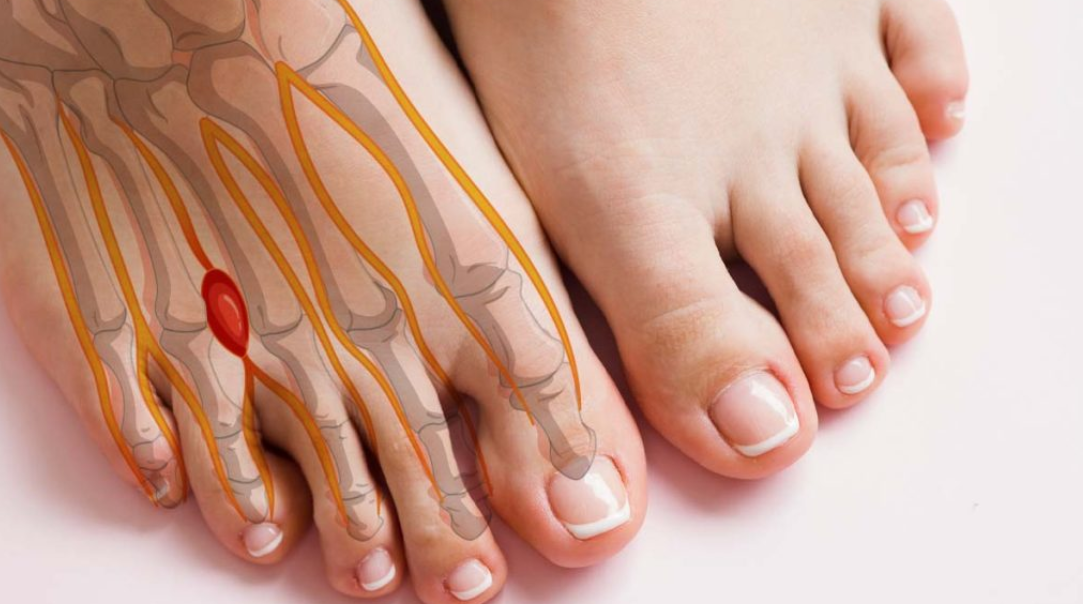
Morton’s Neuroma is a painful foot condition that affects the nerves between your toes—most often between the third and fourth toes. When the tissue around these nerves thickens, it compresses the nerve, triggering sharp pain, burning sensations, tingling, and sometimes numbness.
Many people describe it as feeling like there’s a small rock or fold in their sock, even when there’s nothing there.
Common Causes and Risk Factors
Morton’s Neuroma often develops due to repeated pressure or irritation of the nerve. Common causes include:
- Wearing tight shoes, especially high heels or narrow-toed footwear
- High-impact sports, like running or tennis
- Foot deformities, such as flat feet, bunions, or high arches
Symptoms to Watch For
You may notice symptoms like:
- A burning pain in the ball of your foot
- Tingling or numbness in your toes
- A persistent feeling that something’s stuck underfoot
The discomfort usually worsens when you walk, run, or wear tight shoes—and it often improves when you rest or massage your foot.
Conventional Treatment Options
When you visit a podiatrist, they might recommend treatments such as:
- Changing your footwear (roomier shoes with better arch support)
- Custom orthotics to relieve pressure on the nerve
- Corticosteroid injections to reduce inflammation
- Physical therapy for foot flexibility and strength
In severe cases, surgery may be recommended to remove the affected nerve tissue. However, many people explore complementary therapies—like reflexology—before considering more invasive options.
What is Reflexology?
Reflexology in Simple Terms
Reflexology is a type of therapeutic foot massage, but it’s much more than that. It’s based on the idea that specific areas of your feet (and hands) correspond to different organs, muscles, and systems in your body. By applying pressure to these reflex points, reflexologists believe they can stimulate healing responses throughout your entire body—including your feet.
This ancient practice has roots in traditional Chinese and Egyptian medicine and is now widely used as a complementary therapy for pain management, stress relief, and improved circulation.
How Reflexology Works for Foot Health
When it comes to foot conditions like Morton’s Neuroma, reflexology focuses directly on the nerves, muscles, and connective tissues in your feet. By working on targeted reflex zones, a skilled reflexologist aims to:
- Improve blood flow to the affected area
- Release muscle tension that might be adding to nerve compression
- Trigger the body’s natural healing processes
While reflexology doesn’t promise a “cure,” it may offer noticeable relief from discomfort—and help your feet feel more relaxed and flexible overall.
Reflexology and Foot Health
Why Foot Health Matters
Your feet carry your entire body weight, absorb shock with every step, and contain thousands of nerve endings. When something goes wrong—like with Morton’s Neuroma—the consequences ripple across your posture, gait, and even your mood.
That’s why therapies that focus directly on foot health, like reflexology, are gaining attention. They don’t just address symptoms—they aim to improve your foot’s overall well-being.
How Reflexology Supports Healthy Feet
Reflexology is all about restoring balance. When your feet feel cramped, painful, or inflamed, reflexology works to:
- Loosen tight muscles and fascia
- Improve nerve conductivity
- Support better circulation, delivering oxygen and nutrients to sore tissues
In the case of Morton’s Neuroma, reflexology might focus on points connected to the toes, metatarsals, and even the lower back—since nerve compression in the spine can sometimes contribute to foot issues.
The Mind-Body Connection
Foot pain can make you tense and anxious, which creates a vicious cycle where stress actually worsens physical pain. Reflexology, known for its deeply relaxing effects, helps interrupt that cycle—allowing both your mind and your feet to unwind.
Potential Benefits of Reflexology for Morton’s Neuroma
If you’re exploring reflexology for Morton’s Neuroma, you’re probably wondering: Can it really help? While reflexology isn’t a medical cure, many people find it can ease discomfort and support overall foot health—especially when combined with other care.
How Reflexology May Help with Pain and Nerve Relief
Reflexology works by applying pressure to targeted points on your feet—some directly connected to the area where your neuroma is causing pain. This stimulation may help calm overactive nerves and reduce some of the tingling, burning sensations you feel during the day.
People with Morton’s Neuroma often describe the pain as sharp, stabbing, or like standing on a pebble. Reflexology aims to gently soothe that irritated nerve and improve the way your foot feels under pressure.
Improving Blood Flow and Reducing Inflammation
Better circulation plays a crucial role in healing. Reflexology can help boost blood flow to your feet, which may reduce swelling around the affected nerve. When tissues receive more oxygen and nutrients, they have a better chance to recover.
Promoting Relaxation and Breaking the Pain-Stress Cycle
Foot pain doesn’t just hurt physically—it’s draining mentally. When every step feels uncomfortable, it’s natural to tense up. Reflexology’s relaxing effect helps lower overall stress, which may also lower pain sensitivity over time.
Encouraging Overall Foot Flexibility
Tight muscles and stiff fascia (the connective tissue around your foot) can add pressure to the nerve, making symptoms worse. Reflexology focuses on loosening those tight areas, helping your foot move more comfortably and naturally.
Scientific Evidence and Research
You might be asking: Is there any real science behind reflexology for nerve pain? While research on reflexology for Morton’s Neuroma itself is limited, studies have explored how reflexology affects foot pain, nerve function, and overall pain relief.
What Research Says About Reflexology and Nerve Pain
A 2020 review published in the journal Complementary Therapies in Clinical Practice found that reflexology showed promising results for reducing chronic pain, particularly in conditions like neuropathy and plantar fasciitis—both of which involve nerve sensitivity in the feet.
Another study in the Journal of Traditional and Complementary Medicine noted that reflexology significantly improved foot pain and quality of life in people with chronic foot disorders. While Morton’s Neuroma wasn’t the specific focus, these results highlight reflexology’s potential in nerve-related foot pain.
Reflexology’s Impact on Circulation and Inflammation
A small clinical trial published in The Journal of Alternative and Complementary Medicine found that reflexology sessions improved circulation in participants’ lower legs and feet. For someone with Morton’s Neuroma, improved blood flow could help reduce inflammation around the compressed nerve.
Limitations of Existing Evidence
It’s important to be honest: reflexology research still has gaps, and large-scale studies focused specifically on Morton’s Neuroma are lacking. However, the broader body of evidence around reflexology for foot pain and nerve discomfort offers a reasonable basis for trying it—especially when paired with medical advice.
Reflexology Techniques for Morton’s Neuroma
If you’re thinking about trying reflexology, you might wonder what the actual techniques look like. Reflexologists don’t just massage the foot randomly—they follow a map of reflex points that correspond to different parts of your body, including the toes, metatarsals, and even the spine.
Targeting the Toes and Metatarsals
Since Morton’s Neuroma usually occurs between the toes, reflexologists focus heavily on the spaces between your third and fourth toes. Gentle pressure and circular motions in this area aim to calm the nerve and loosen any tightness nearby.
Working on Related Reflex Zones
Reflexologists also work on areas linked to the lower back, hips, and knees. Why? Because nerve issues further up the leg can sometimes affect foot health too. Addressing these zones helps improve your overall nerve function.
Full Foot Relaxation
In addition to focused work on the neuroma site, reflexologists apply techniques across your entire foot—improving circulation, releasing muscle tension, and supporting overall balance.
Frequency and Duration of Sessions
Most practitioners recommend starting with weekly sessions for the first month, gradually tapering down as your symptoms improve. Many clients find that even after their foot pain eases, regular reflexology helps keep their feet healthy long-term.
Reflexology vs. Other Complementary Therapies
You might also be curious how reflexology compares to other non-surgical treatments. Let’s break down the differences so you can make the best decision for your feet.
Reflexology vs. Acupuncture
Both therapies aim to restore balance and ease pain, but they work very differently. Reflexology uses pressure on mapped points of the feet, while acupuncture uses fine needles to stimulate energy flow (qi) across the whole body.
For Morton’s Neuroma, reflexology’s direct focus on the foot itself appeals to many people. Acupuncture, however, might target energy imbalances in the body that contribute to chronic pain.
Reflexology vs. Physical Therapy
Physical therapy focuses on improving foot strength, flexibility, and gait (how you walk). It’s highly practical and often recommended by podiatrists. Reflexology complements physical therapy by working on nerve relaxation and overall circulation. Many people combine both for a more holistic approach.
Reflexology vs. Orthotics and Footwear Changes
Supportive shoes and custom orthotics are often the first line of defense for Morton’s Neuroma. Reflexology doesn’t replace these—it enhances them. Think of orthotics as structural support and reflexology as nerve and muscle care. Together, they form a well-rounded care plan.
Combining Therapies for Best Results
There’s no one-size-fits-all solution for Morton’s Neuroma. Some people find relief with shoes changes alone; others need a combination of treatments. Reflexology fits well into a broader plan—offering comfort, relaxation, and gentle support for your feet.
Potential Risks and Considerations
If you’re thinking about trying reflexology for Morton’s Neuroma, it’s smart to consider both the benefits and the risks. While reflexology is gentle and non-invasive, it’s not always the right fit for everyone.
When Reflexology May Not Be Suitable
Certain health conditions or foot injuries can make reflexology less safe or effective. For example, if you have:
- An active infection, open wounds, or ulcers on your foot.
- Severe nerve damage or diabetic neuropathy.
- Circulatory issues like deep vein thrombosis (DVT).
- Recent foot surgery with unhealed tissue.
If you’re unsure, speak with your healthcare provider before starting any new therapy, including reflexology.
Reflexology Isn’t a Cure for Morton’s Neuroma
This is important to emphasize—reflexology can offer relief, but it doesn’t “fix” the underlying structural problem. Morton’s Neuroma is caused by a thickened nerve, often triggered by footwear, foot mechanics, or repetitive stress. Reflexology supports comfort and relaxation, but it works best as part of a broader foot care plan.
Discomfort During or After Treatment
Some people experience mild tenderness in sensitive reflex points during the session. This isn’t unusual—especially if your foot is already inflamed. However, reflexology should never be painful. If you ever feel sharp or lingering pain, that’s a sign to stop and reassess.
Finding a Qualified Reflexologist Matters
Not all reflexologists have experience with foot disorders like Morton’s Neuroma. When booking a session, look for someone who specializes in foot pain or has experience working alongside podiatrists or physiotherapists.
Self-Help Reflexology at Home
If regular reflexology sessions aren’t an option right now, don’t worry—you can still practice simple techniques at home. With a little time and the right approach, self-reflexology can become part of your daily foot care routine.
How to Get Started with Self-Reflexology
You don’t need fancy equipment to start. All you need is a quiet space, clean hands, and a comfortable place to sit. Before you begin, take off your shoes and socks and gently stretch your feet to warm up the tissues.
Simple Techniques for Morton’s Neuroma Relief
Here are a few beginner-friendly techniques you can try:
- Toe Squeeze and Release: Gently press and massage the spaces between your toes, focusing on the third and fourth toes where neuromas often develop.
- Ball of Foot Press: Use your thumb to press and hold different spots across the ball of your foot, gradually working from the inside to the outer edge.
- Arch Rolling: Roll a tennis ball or massage ball under your foot for 1-2 minutes to loosen the fascia and improve circulation.
Tools That Can Help
If you want to go deeper, you can invest in simple tools like:
- Reflexology foot rollers.
- Wooden massage sticks designed for foot reflexology.
- Textured mats designed for foot stimulation.
Make Reflexology Part of Your Foot Care Routine
To get the most benefit, consistency matters. Try adding 5-10 minutes of self-reflexology to your morning or evening routine. Pair it with gentle stretching, proper footwear, and rest when needed.
Personal Testimonials and Case Studies
Sometimes, the best way to understand whether reflexology might work for you is to hear from others who’ve walked the same painful path. Here are a few real-life experiences from people with Morton’s Neuroma who gave reflexology a try.
Maria’s Story: Finding Comfort After Years of Foot Pain
Maria, a 52-year-old runner, developed Morton’s Neuroma after years of training in narrow running shoes. After her podiatrist recommended a combination of orthotics and conservative care, Maria decided to add reflexology to her recovery plan.
“At first, I was skeptical,” she admits. “But after a few sessions, I noticed my foot felt less tense, and I wasn’t dreading every step. Reflexology didn’t make the neuroma disappear, but it helped me manage the pain enough to stay active.”
James’ Experience: Combining Reflexology with Medical Treatment
James, a construction worker, developed Morton’s Neuroma from working long hours in heavy boots. His podiatrist recommended custom orthotics and physical therapy, but James also wanted a non-medical way to unwind after work.
“Reflexology became my way to relax after a long shift,” he says. “It didn’t replace my orthotics, but it gave me an extra layer of relief—especially when my feet felt swollen and cramped.”
Mixed Results and What Influences Success
Not every story is a success story—and that’s important to acknowledge. Some people try reflexology and feel no noticeable difference, especially if their neuroma is severe or advanced. Success often depends on:
- The stage of your neuroma (early vs. chronic).
- Your overall foot health (flat feet, high arches, etc.).
- Consistency—regular sessions tend to work better than one-off visits.
- Combining reflexology with other therapies, like proper footwear and rest.
The Takeaway from Real Experiences
The common theme across testimonials is this: reflexology isn’t a magic cure, but it can be a valuable tool if you approach it with realistic expectations. Whether you’re looking for pain relief, better circulation, or just a way to relax, many people find reflexology helpful—especially when paired with professional foot care.
Expert Opinions
When it comes to managing Morton’s Neuroma, everyone wants advice they can trust—especially from those who specialize in foot health and complementary therapies. Let’s look at what both reflexologists and medical experts say about using reflexology for foot pain relief.
What Reflexologists Say
Reflexologists often emphasize that reflexology is not a medical treatment, but a complementary therapy. According to the Association of Reflexologists, working specific reflex points on the foot may encourage better circulation, ease tension, and support the body’s natural healing process.
For Morton’s Neuroma specifically, reflexologists may focus on the metatarsal zone (the ball of the foot), toe reflex points, and areas connected to the nervous system. Many reflexologists believe that by reducing tension around the foot’s nerve structures and improving blood flow, you may experience less discomfort over time.
While reflexology isn’t a cure, several reflexologists have observed that regular sessions help clients manage flare-ups, particularly when combined with lifestyle changes like wearing supportive shoes and avoiding activities that aggravate the condition.
What Podiatrists and Medical Professionals Say
Most podiatrists agree that reflexology can be part of a holistic approach to managing foot pain—but they caution against relying on it as a standalone solution. According to the American Podiatric Medical Association (APMA), Morton’s Neuroma is a mechanical problem caused by nerve compression, often linked to improper footwear or repetitive pressure.
Medical professionals typically recommend evidence-based treatments first, such as:
- Wearing wider, cushioned shoes.
- Using custom orthotics to offload pressure.
- Physical therapy for foot strengthening and alignment.
- Anti-inflammatory medications if needed.
However, many doctors acknowledge that stress reduction, improved circulation, and nerve relaxation (all potential benefits of reflexology) can play a valuable supportive role—especially for people seeking non-invasive relief.
The Bottom Line
The best approach may be a balanced blend: medical treatment for the root cause, combined with reflexology for comfort, relaxation, and improved circulation. As always, check with your healthcare provider before starting any new therapy.
Conclusion
If you’ve been struggling with the burning, stabbing pain of Morton’s Neuroma, you’re not alone—and you’re probably tired of that constant ache in the ball of your foot. While reflexology isn’t a cure, it offers a gentle, holistic way to ease tension, improve circulation, and make your feet feel more relaxed.
Many people find reflexology sessions surprisingly soothing, especially when combined with smart shoe choices and other foot-friendly changes. Whether you try reflexology at a professional clinic or practice simple techniques at home, it can become part of your self-care toolkit for managing foot pain naturally.
Key Takeaways
- Reflexology helps relax tense tissues, which may reduce nerve irritation.
- It works best alongside medical treatments, not as a stand-alone fix.
- Many clients find reflexology helps manage stress and improve circulation, both of which benefit foot health.
- Consistency matters—one session won’t work miracles, but regular practice may ease discomfort over time.
If you’re curious to see if reflexology could work for you, consider giving it a try—either with a qualified reflexologist or by learning a few simple self-help techniques at home. After all, your feet carry you through life every day—they deserve a little care, comfort, and attention.
FAQs
How soon can you expect relief from reflexology?
This varies from person to person. Some people feel immediate relaxation after a session, while others notice gradual relief over several weeks. Reflexology works best when combined with proper shoes, rest, and other foot-friendly habits.
For chronic cases of Morton’s Neuroma, reflexology won’t eliminate the neuroma itself, but it may help you manage pain and tension more comfortably.
Can reflexology cure Morton’s Neuroma?
No—reflexology cannot cure Morton’s Neuroma because it doesn’t remove the thickened nerve tissue causing the problem. However, it can help with related issues like:
- Reducing foot tension.
- Improving circulation to the area.
- Easing nerve irritation.
- Supporting stress relief, which may reduce pain sensitivity.
Think of reflexology as a supportive therapy, not a replacement for medical care.
Should reflexology replace medical treatment?
No. Morton’s Neuroma is a structural issue, so you’ll likely need a combination of treatments to manage it effectively. Reflexology can complement medical care, but it’s not a substitute for professional diagnosis and treatment from a podiatrist or orthopedic specialist.
If you’re already using orthotics, doing physical therapy, or following a podiatrist’s advice, reflexology could be a gentle addition to your routine—especially if you’re looking for drug-free ways to manage pain.
Recent Posts

Can Reflexology Help Morton’s Neuroma? What to Know
Can Reflexology Help Morton’s Neuroma? What to Know If you’ve been dealing with that sharp, burning pain in the ball